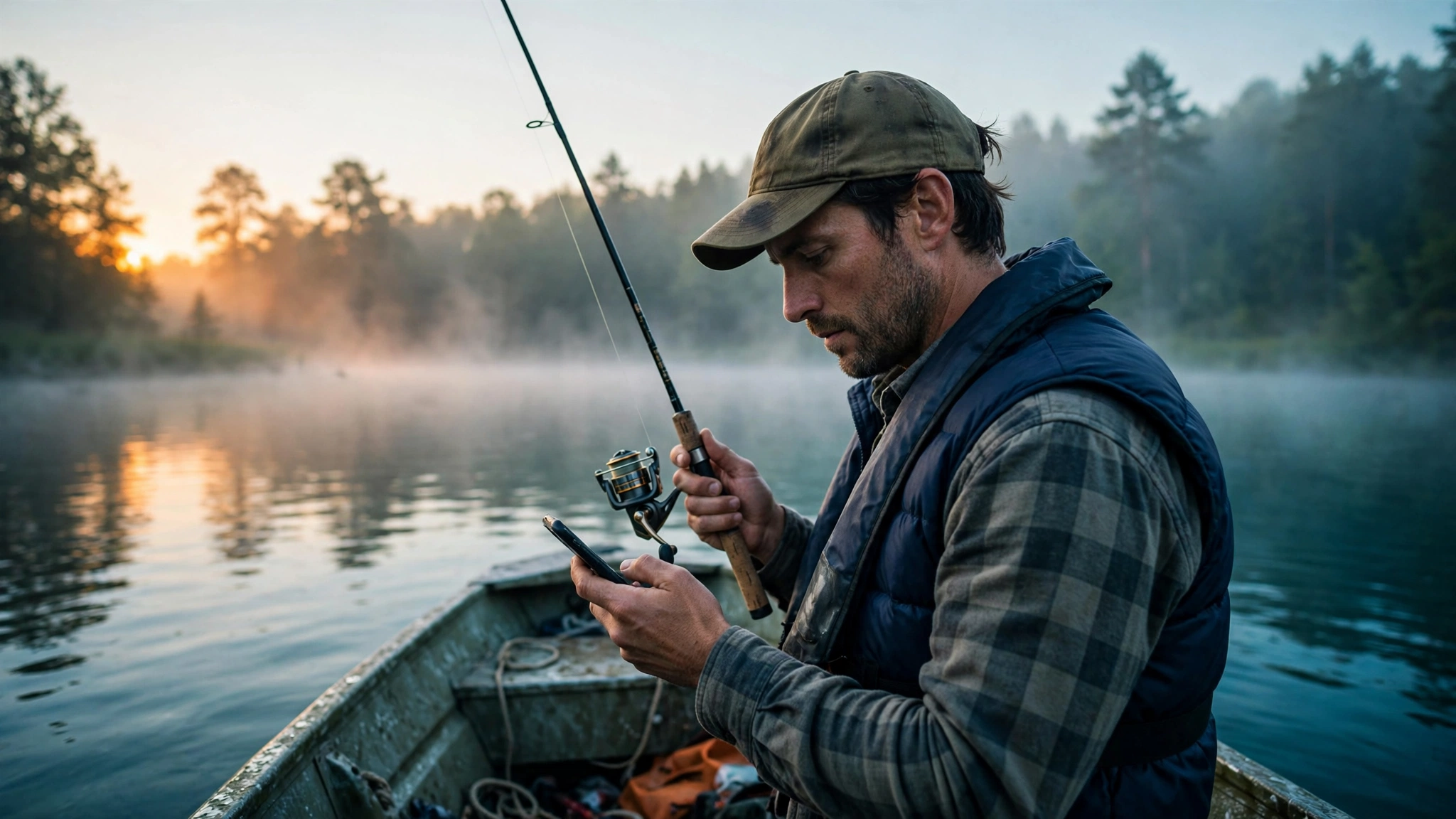
AI Fishing Coach for Better Days on the Water
An AI fishing coach turns weather, species, gear, and local questions into practical next steps so you can spend less time guessing and more time catching.
The first hour of a fishing trip can feel like a pop quiz. The wind shifts, the water is dirtier than expected, and the bait you packed suddenly does not seem like the right call. An AI fishing coach helps turn those in-the-moment questions into a usable plan before you burn half the morning guessing.
It is not a replacement for time on the water. It is a faster way to connect the details you already have: target species, season, weather, water type, available gear, and local conditions. Used well, it gives you a clearer starting point and more confidence in the next cast.
What an AI Fishing Coach Can Actually Help With
A good AI fishing coach is most useful when your question is specific. Asking, "How do I catch bass?" may get you a broad overview. Asking, "It is early April, 58 degrees, lightly stained water, and cloudy. Should I throw a spinnerbait or a Texas-rigged creature bait for largemouth?" gives the coach something it can work with.
That difference matters. Fishing is built on variables, and the best advice changes with them. An AI coach can help you sort through those variables quickly, explain the reasoning behind a recommendation, and offer a backup plan if the first bite never comes.
For freshwater anglers, that might mean choosing between a shaky head, jerkbait, or squarebill based on water temperature and cover. For saltwater anglers, it could mean matching a live-bait presentation to current, tide stage, and the species moving through an inlet. It can also help make sense of fishing terms that experienced anglers toss around without thinking, from "wind-blown bank" to "seam" to "working the edges."
The value is not that a computer magically knows where every fish is. The value is that it helps you make a more informed decision with the information in front of you.
Use an AI Fishing Coach Like a Better Pre-Trip Plan
The best time to ask questions is not always while you are standing on the bank. A few minutes before a trip can save a pile of random tackle changes later.
Start by sharing the basics: where you are fishing, whether it is freshwater or saltwater, your target species, the time of year, expected conditions, and what gear you have. You do not need a tournament-level breakdown. Even simple details, like "small public pond with grass" or "pier fishing at incoming tide," narrow the advice dramatically.
Then ask for a plan, not just a lure recommendation. A useful plan includes where to begin, what depth or water zone to cover, how to work the bait, and what adjustment to make if the first approach fails. That is the difference between carrying a suggestion in your pocket and having a real game plan.
For example, an angler targeting crappie might ask for a morning plan around brush piles, then follow up after learning the fish are suspended rather than holding tight to cover. A surf angler could ask what to look for in a beach structure, then use that answer to identify troughs, cuts, and moving water instead of casting blindly across flat sand.
Give Better Details, Get Better Answers
An AI fishing coach cannot feel the bottom through your rod or see the exact shade of a dock corner. You can. Share what you notice, and use the response as a second set of eyes.
These details make a major difference:
- Water clarity, temperature if known, and recent rain or wind
- The species you are targeting and the size of fish you expect
- Cover and structure, such as grass, docks, rocks, current, or pilings
- Your available rods, line, terminal tackle, and bait options
You do not need perfect information. Honest information is better than guessing. If you only have a medium spinning rod, a few soft plastics, and a small tackle box, say so. Good fishing advice should fit the gear you actually brought.
The Best Questions to Ask on the Water
Once the trip starts, use the coach to troubleshoot. Maybe you have had followers but no strikes. Maybe bait is popping on the surface, but your lure is running below the action. Maybe you are catching small fish and want to change your approach without leaving a productive area.
Try questions that move from observation to action. Ask what a wind change could do to your bank bite. Ask whether to speed up or slow down after two hours without a hit. Ask how to adjust a knot, weight, hook size, retrieve, or leader when conditions shift.
A few practical prompts can get the conversation moving:
- "I am fishing a muddy creek after rain for bass. Where should I start, and what should I throw first?"
- "I am getting short strikes from speckled trout on a paddletail. What should I change before changing spots?"
- "I see bluegill beds in shallow water. What is a simple setup for a kid using a bobber and worms?"
- "I have a medium spinning rod and want to catch catfish from shore tonight. Build me a simple setup."
The strongest follow-up is often, "Here is what happened. What does that tell us?" Fishing feedback is valuable. One missed bite, one fish caught from shade, or one area with bait activity can point you toward a better next move.
What AI Cannot Tell You
An AI fishing coach is a tool, not a fishing report, a weather forecast, or a license authority. It may not have current access to the water level at your lake, a temporary boat-ramp closure, a red tide event, or a regulation change that took effect last week. Always check official local rules, size limits, seasons, and access requirements before you go.
It also cannot replace local judgment. A community angler who has fished the same river for years may know that a particular bend gets unfishable after a north wind, or that a certain pattern only works when the dam is generating. That kind of hard-earned knowledge is worth hearing.
The smart move is to use both. Let AI organize the why behind a tactic, then compare it with what local anglers are seeing and what the fish show you in real time. That combination keeps you learning instead of just copying a recommendation.
Learn the Pattern, Not Just the Answer
There is a trap with any fishing tool: chasing the exact bait recommendation without understanding why it fits. You might catch a fish on the suggested lure, but the bigger win is recognizing the pattern behind it.
If the coach suggests a compact, slow presentation because the water is cold and the fish are likely tight to cover, remember that logic. If it recommends a brighter bait in dirty water, pay attention to the visibility problem it is solving. Soon, you will need fewer answers because you will start spotting the same conditions on your own.
That is where a platform like Hookwise earns its place. Coaching can get you pointed in the right direction, while species guides, real catch posts, groups, and conversations with other anglers help turn a one-time tip into knowledge you can use again. All free. All built around helping the crew catch more fish.
Keep the Human Side of Fishing in the Picture
Fishing gets better when good information is easier to find, but nobody wants the sport reduced to staring at a screen. Ask your question, make your plan, then put the phone down and pay attention. Watch the birds. Notice current lines. Check the mud on your weight, the bait on the surface, and the way your line moves before a strike.
Bring an AI fishing coach when you need a smarter starting point or a quick adjustment. Let the water give you the final answer. Every trip that teaches you something is building the instincts that make the next one better.