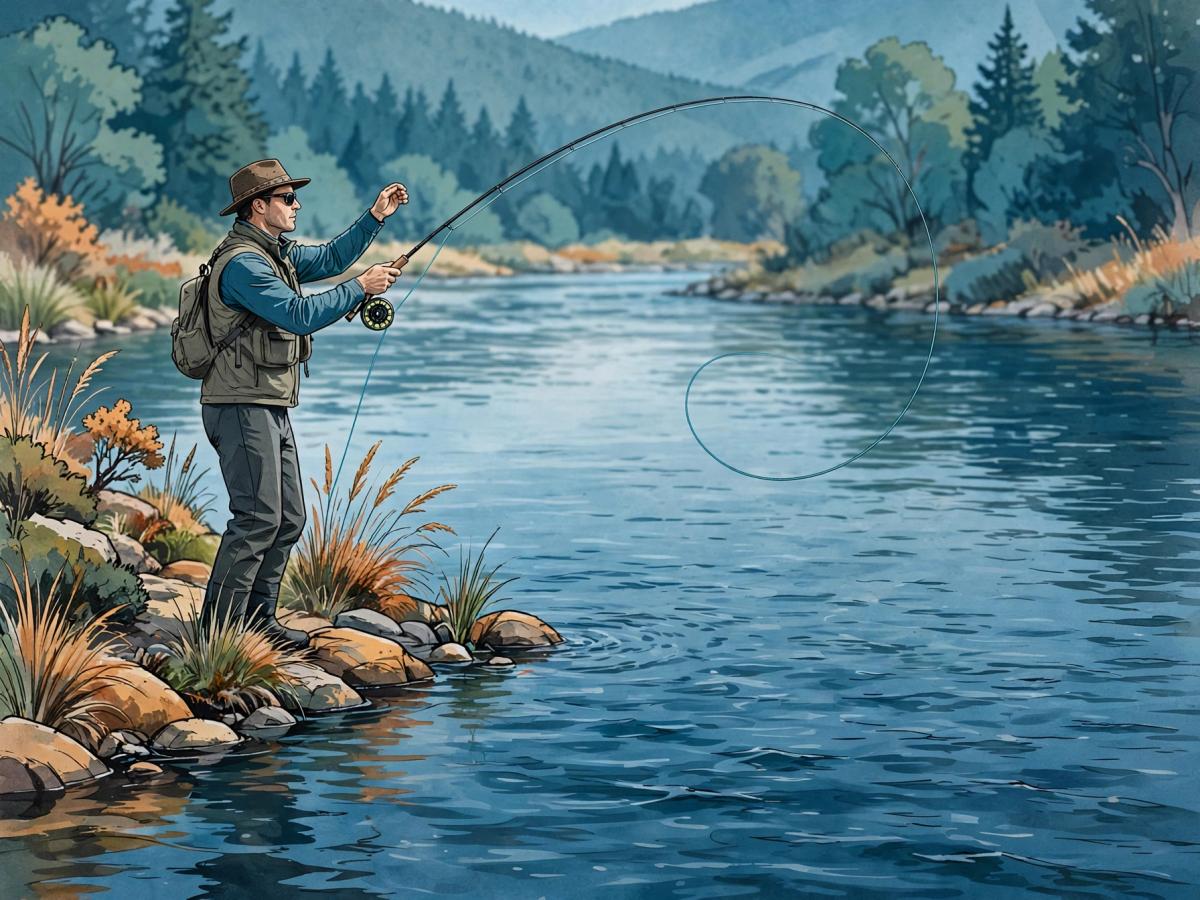
Fly Fishing Beyond the Basics: Build a Better Loop
Improve your false casts by reading the loop, timing the stroke, and managing line with less effort. Practice in open space so each adjustment has a clear reason.
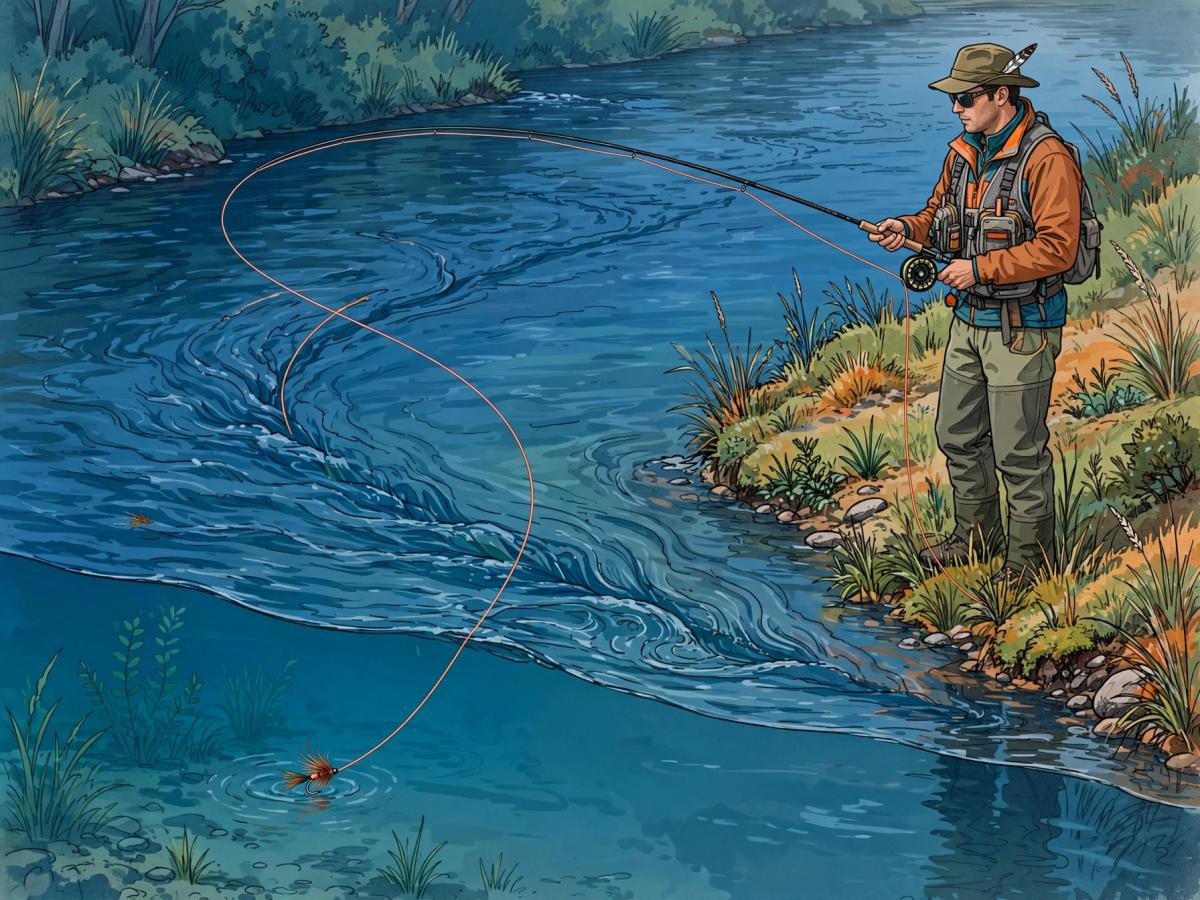
Fly Fishing Beyond the Basics: Mending and Line Control
Learn how current moves the line, why a mend works, and how to adjust from the bank before stepping into moving water. Practice one seam at a time.
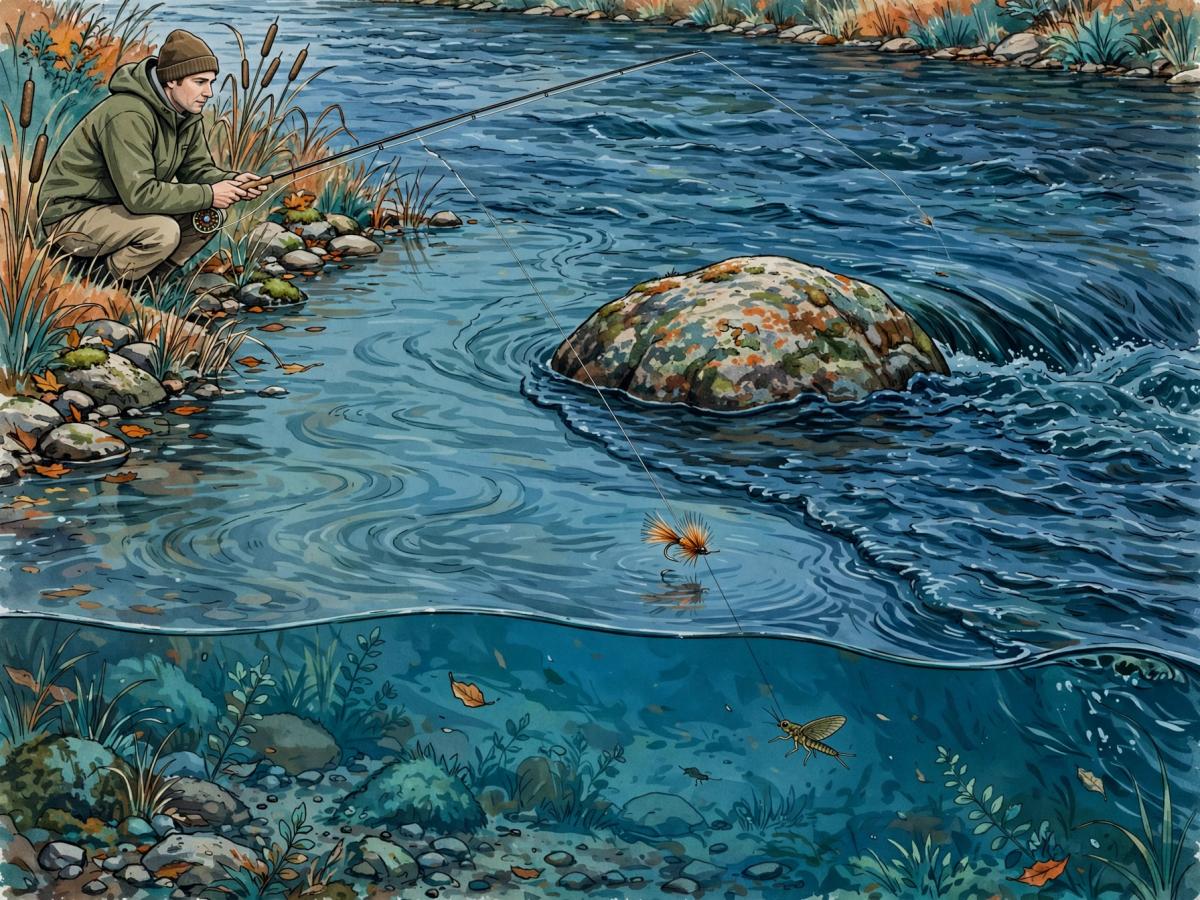
Fly Fishing Beyond the Basics: Presentation Before Pattern
Diagnose the drift, depth, and speed of a fly before changing patterns. Use one presentation adjustment at a time and let the water show you what changed.
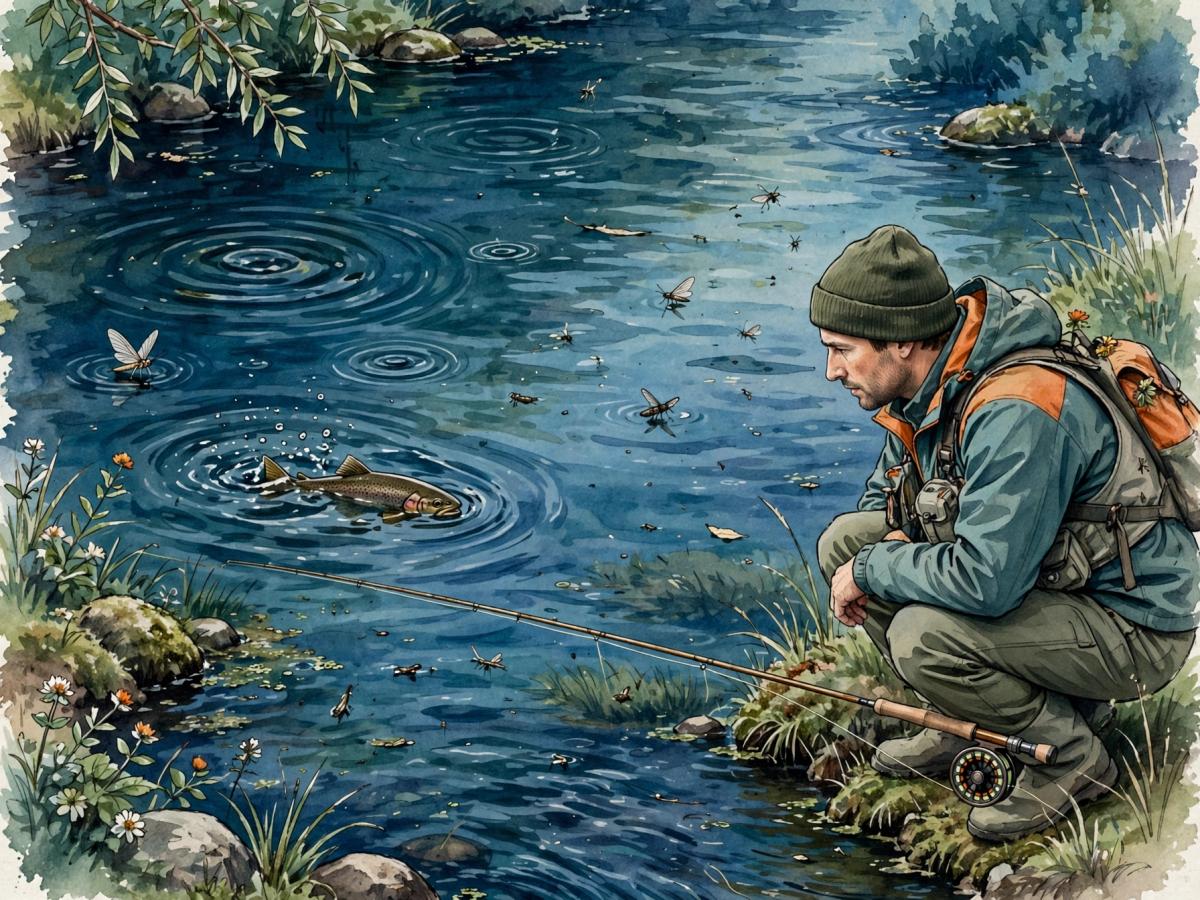
Fly Fishing Beyond the Basics: Read the Rise, Choose the Next Move
Study rise forms, insects, water speed, and fish response as connected clues. Choose one measured adjustment instead of chasing a perfect match.
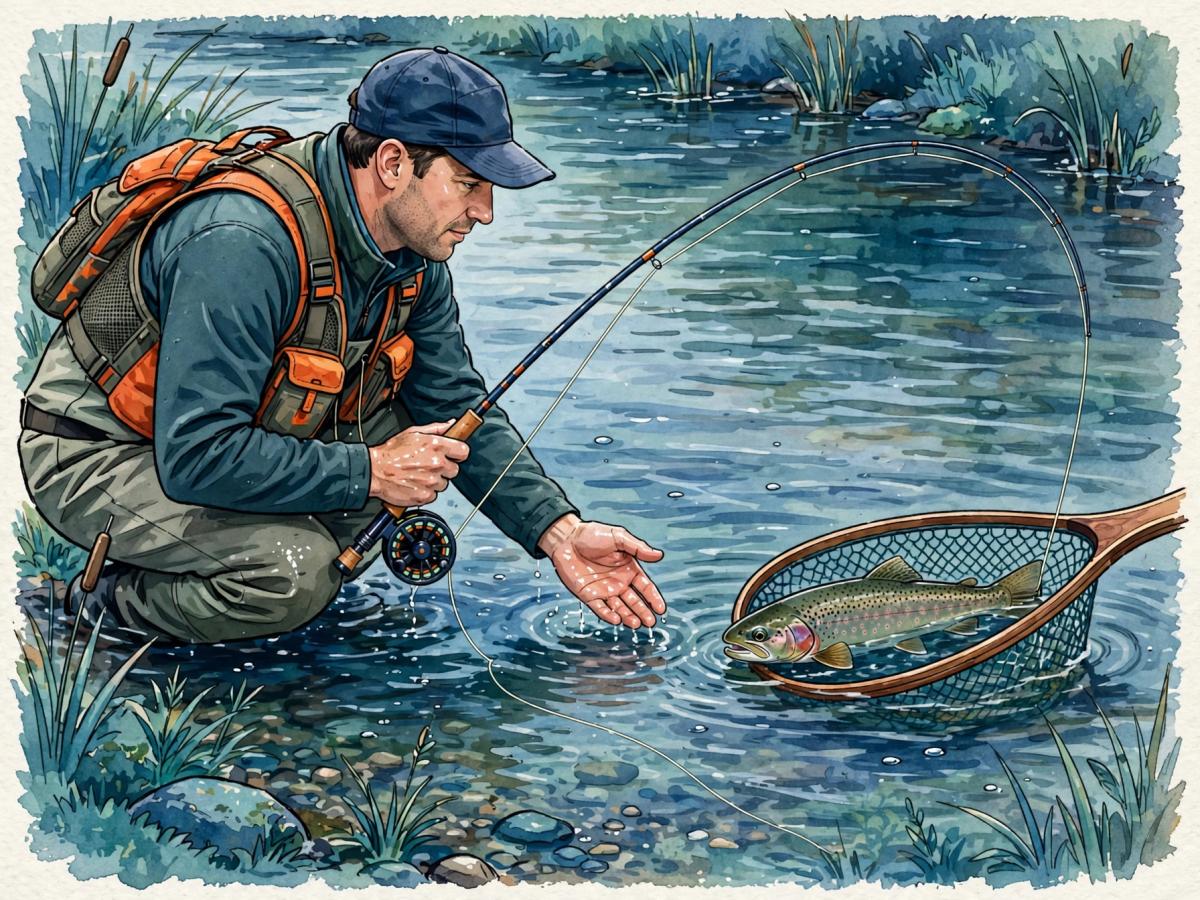
Fly Fishing Beyond the Basics: Fight and Land the Fish
Use steady pressure, a thoughtful landing plan, and careful handling to protect the fish and yourself. Prepare for hazards before the fish is at your feet.
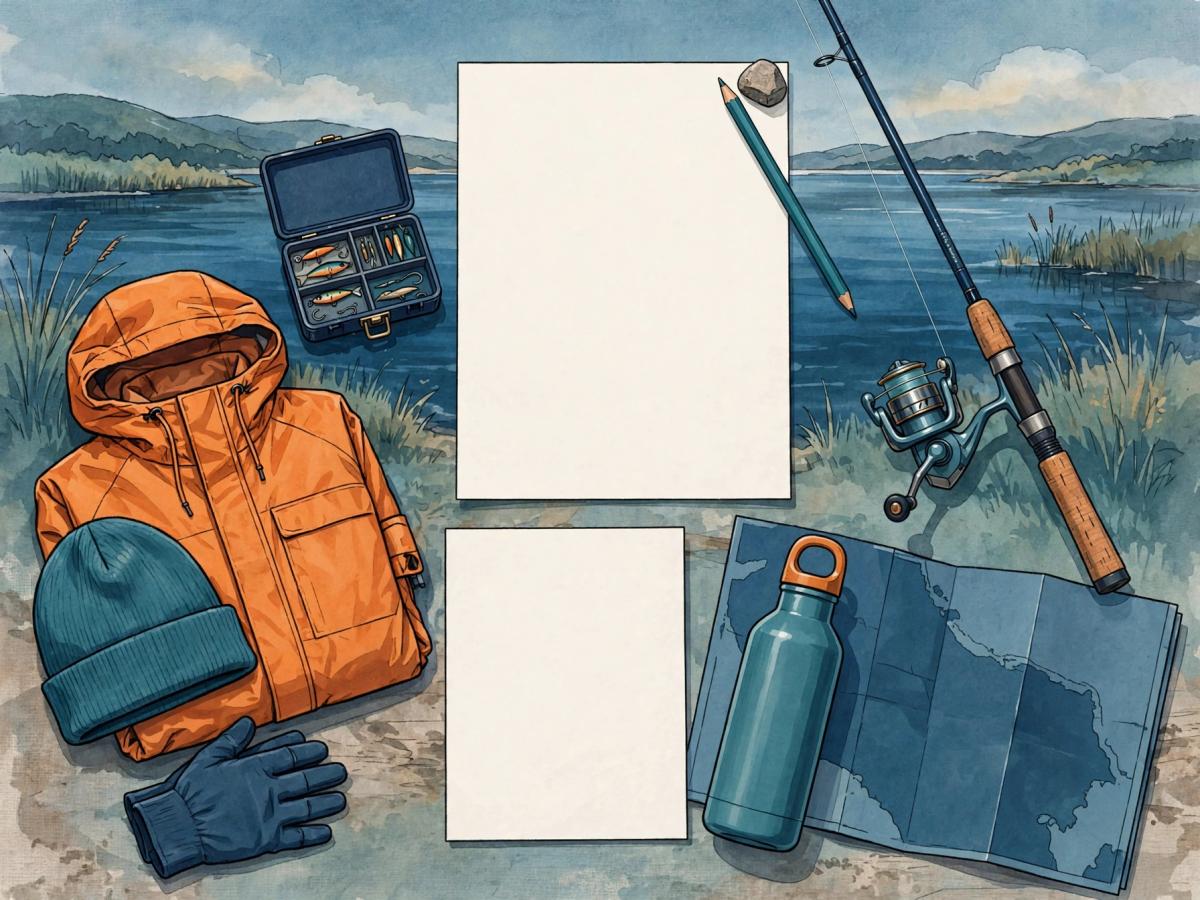
Angler’s Fieldcraft: Build a One-Page Trip Plan
Build a calm, realistic plan for a fishing trip by choosing one useful goal, checking conditions and access, preparing for safety, and giving yourself a workable Plan B.
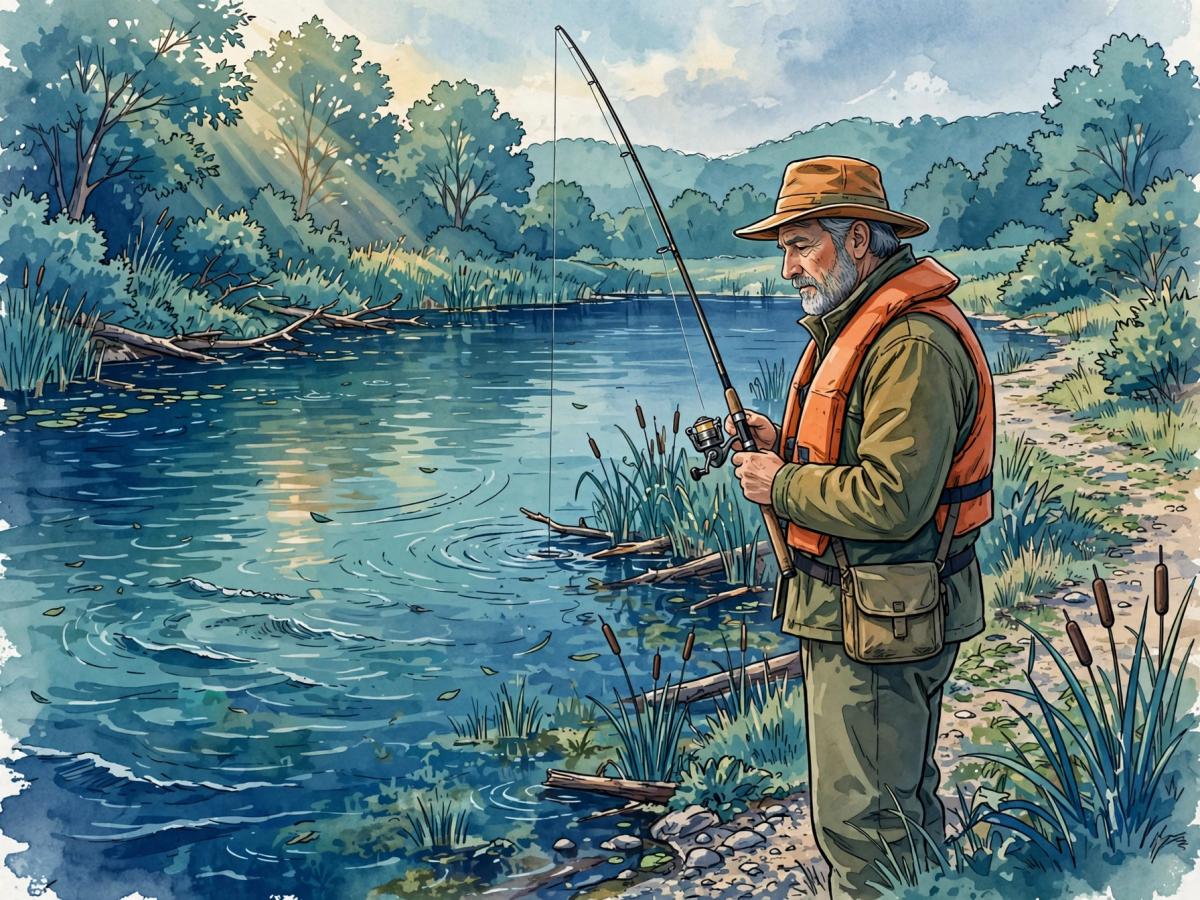
Angler’s Fieldcraft: Observe Before You Change
Learn to build a baseline from light, wind, water, cover, forage, fish response, and access, then make one meaningful change at a time.
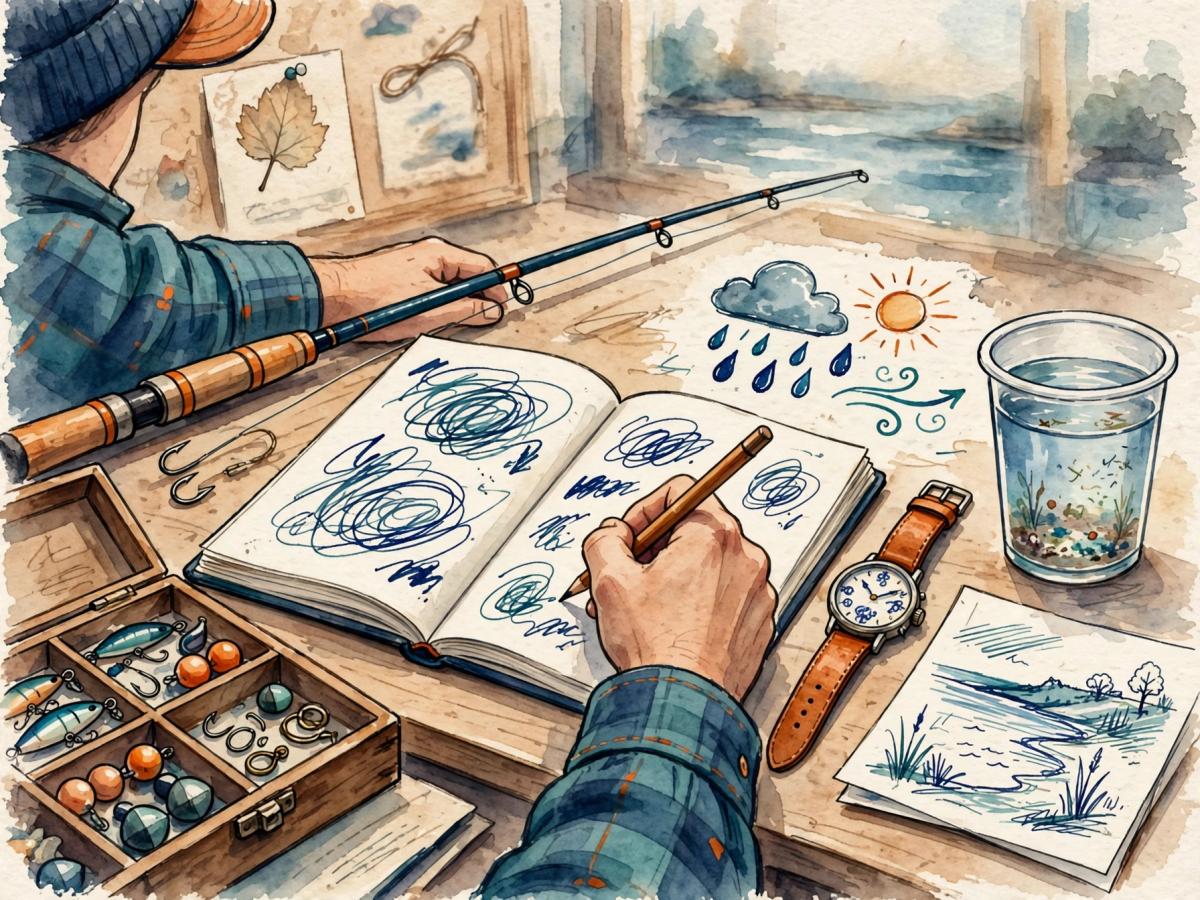
Angler’s Fieldcraft: Keep Notes That Help
Use a simple repeatable field-note format to record conditions, water clues, presentations, responses, uncertainty, and safety without turning one trip into a universal rule.
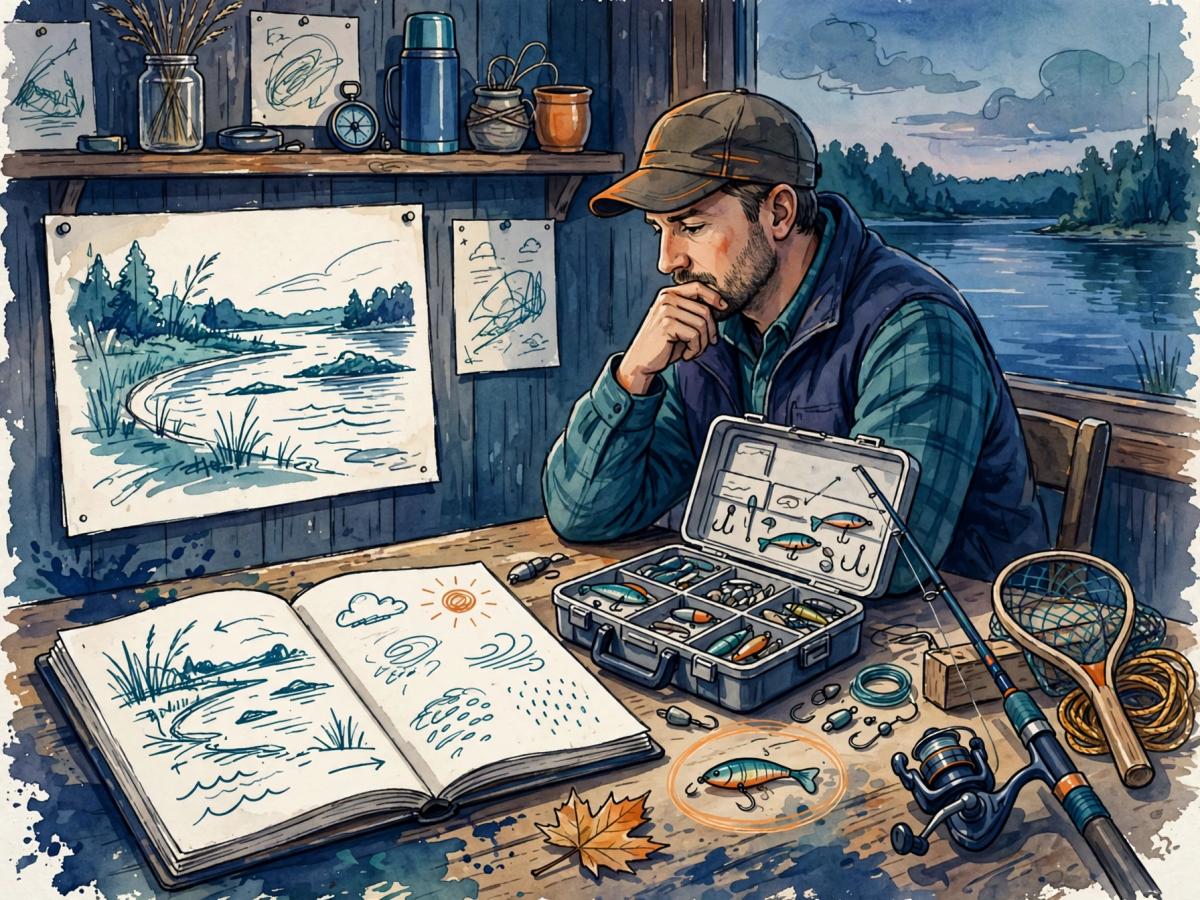
Angler’s Fieldcraft: Turn One Trip Into the Next
Review a trip with clear evidence, release overconfident conclusions, choose one next test, and make the following outing calmer and more purposeful.
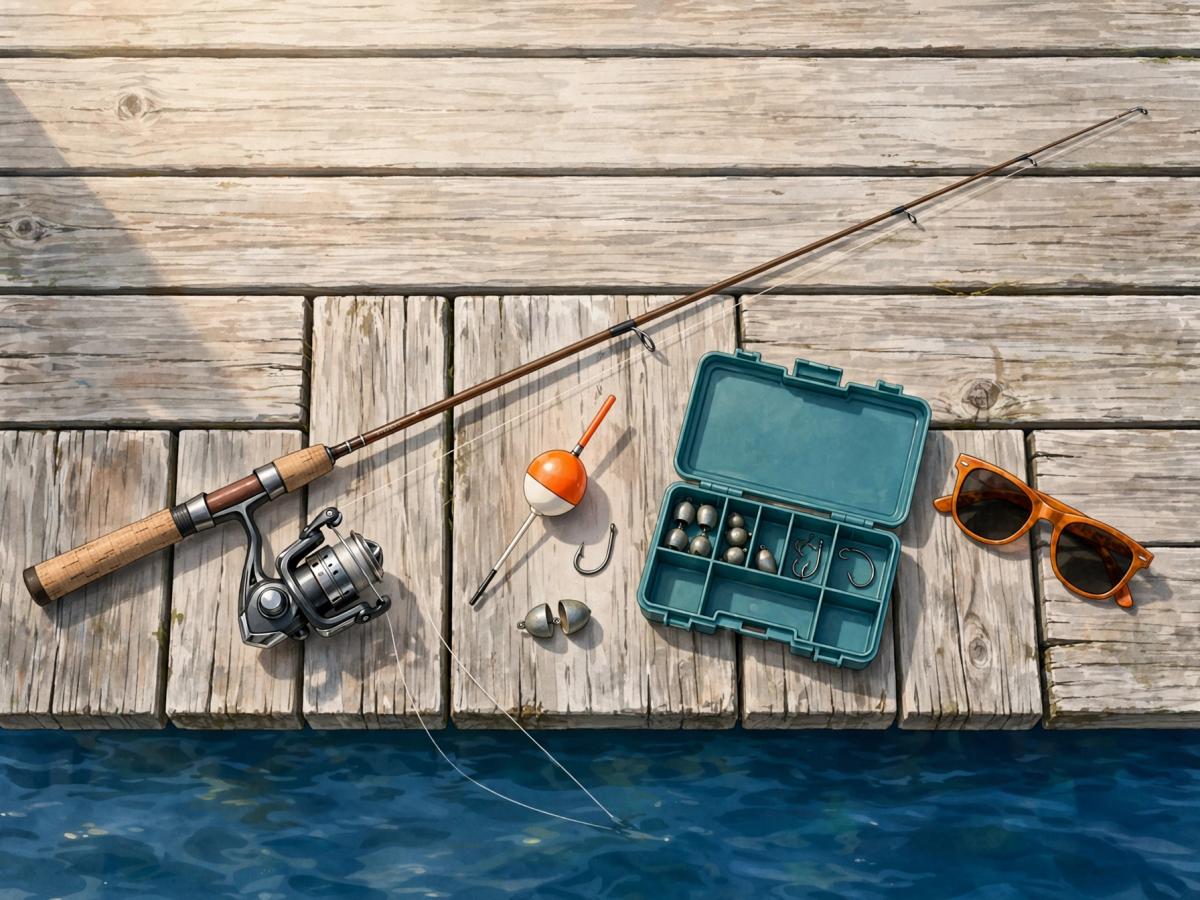
Your First Confident Fishing Trip: The Simple Gear Setup
Get comfortable with the basic rod, reel, line, hook, bobber, sinker, bait, and small tools that make a first fishing trip feel manageable.
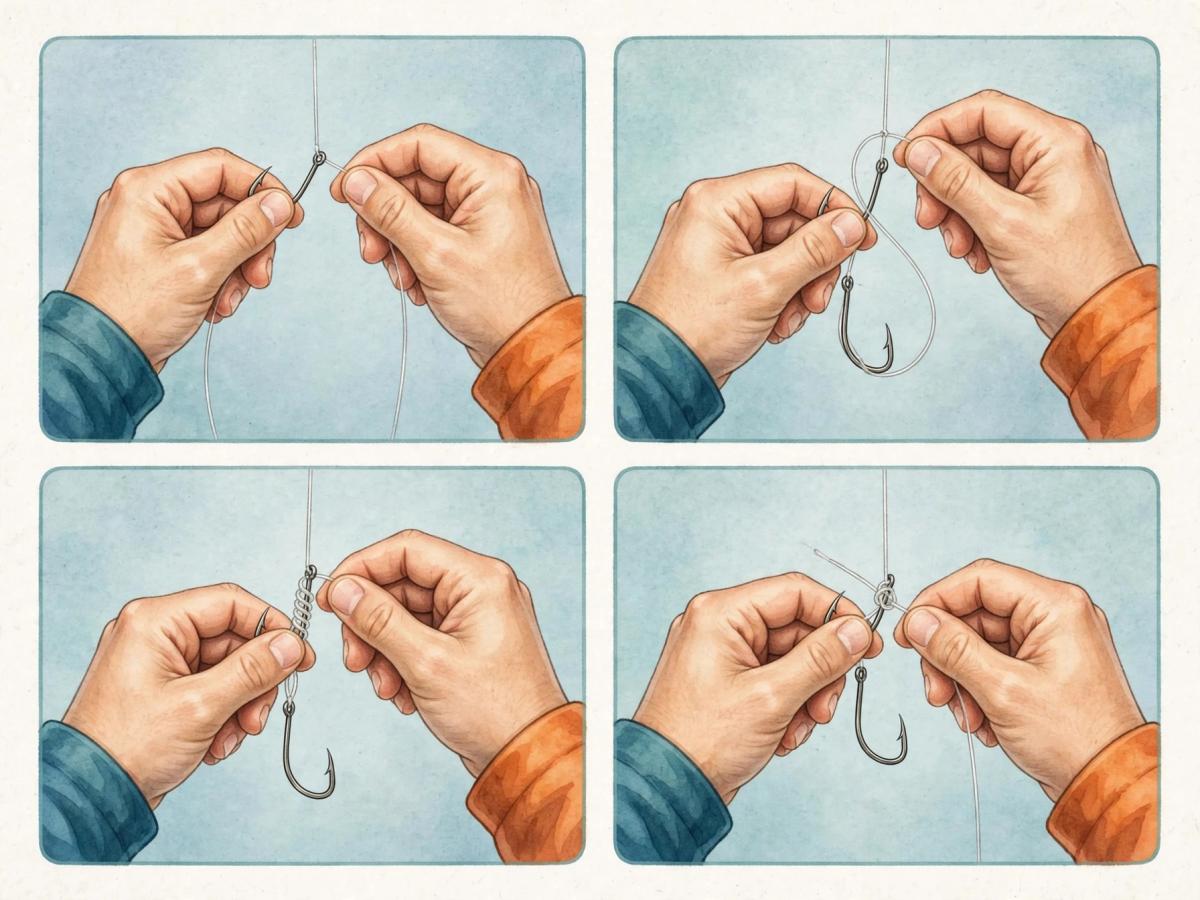
Your First Confident Fishing Trip: Three Knots Worth Knowing
Practice three useful connections, learn how to snug and test a knot, and know when a fresh tie is the smart choice.
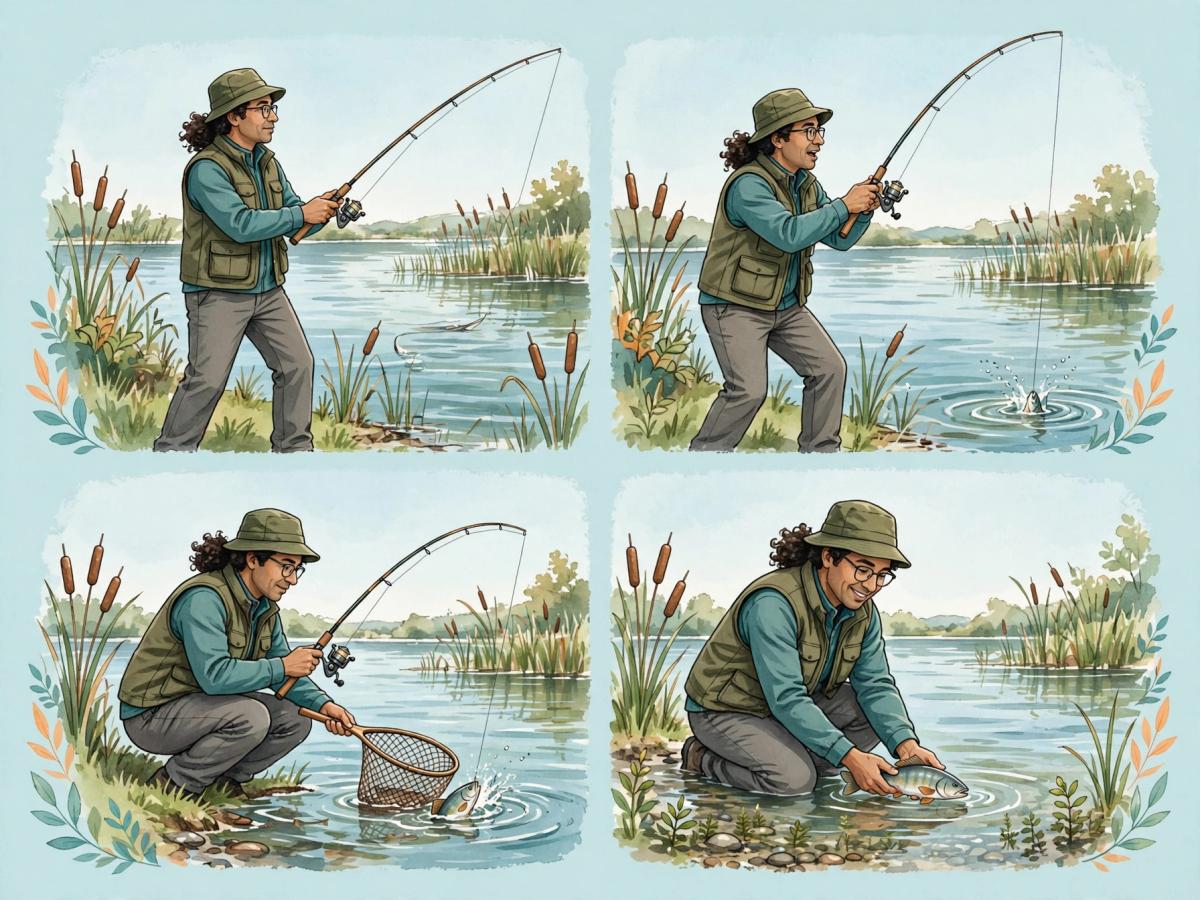
Your First Confident Fishing Trip: Cast, Set, Land, Release
Walk through a safe cast, a calm hook set, controlled landing, and gentle release so the exciting part of a bite stays manageable.
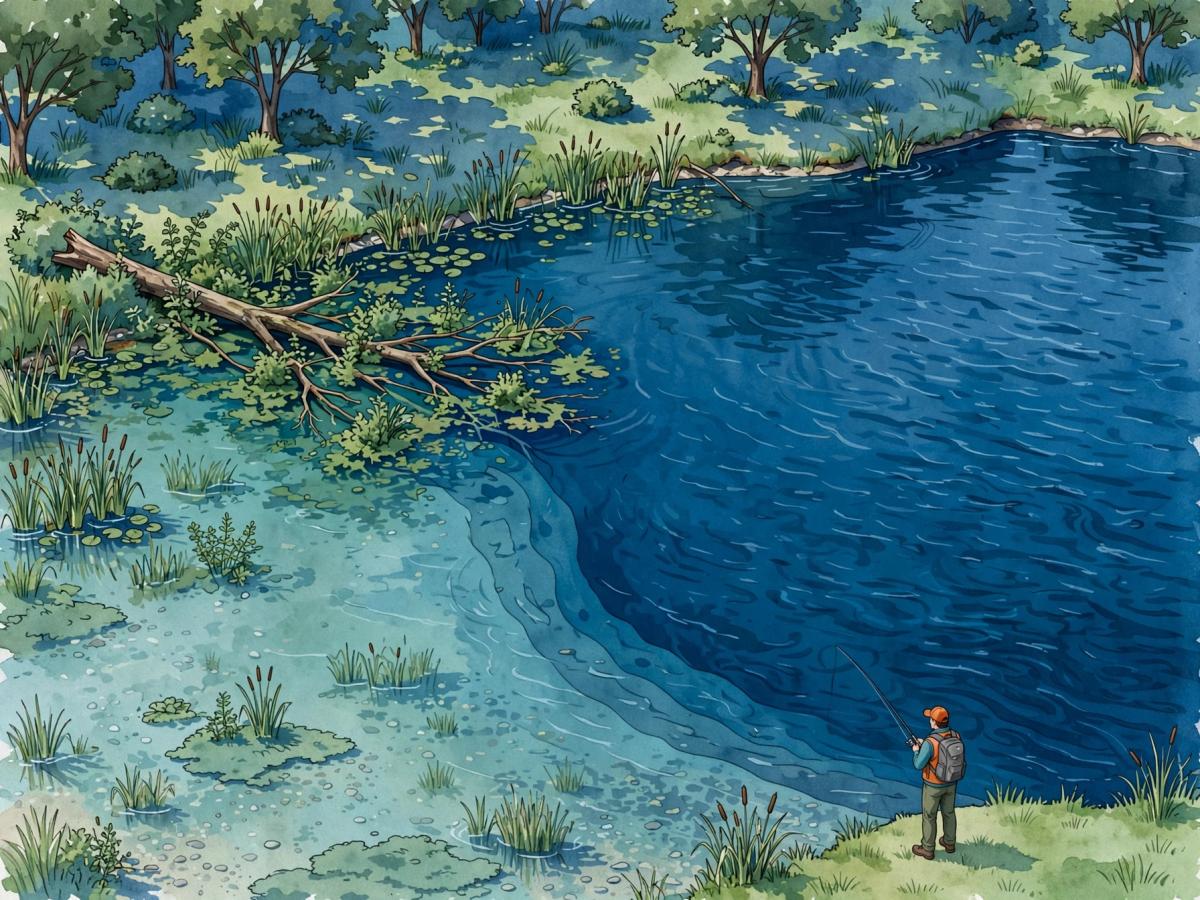
Your First Confident Fishing Trip: Read the Shoreline, Make a Plan
Learn to scan a shoreline for cover, shade, weeds, depth changes, wind, access, and safe footing before choosing where to cast first.

Reading the Water: Light, Temperature, and Time
Learn to read sunlight, shade, cloud cover, water temperature, and time of day as changing clues, then build a plan that fits the species, season, water, and weather in front of you.
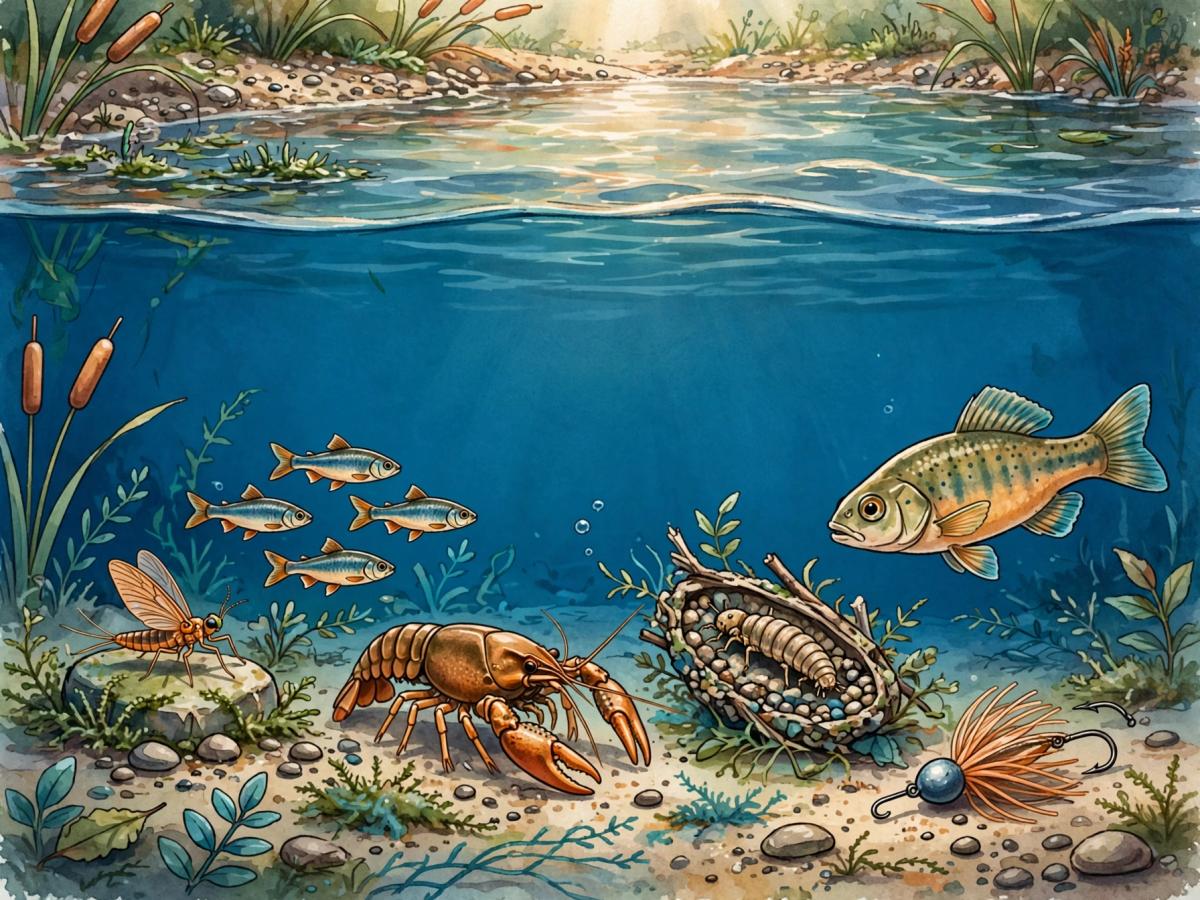
Reading the Water: Follow the Food
Learn to look for insects, minnows, crayfish, and aquatic larvae, then choose a simple presentation that fits the food you can actually observe.

Reading the Water: Cover, Depth, and Shelter
Learn how reeds, weeds, branches, rocks, drop-offs, current edges, and shade create different habitat clues, then compare features without assuming fish must use one spot.
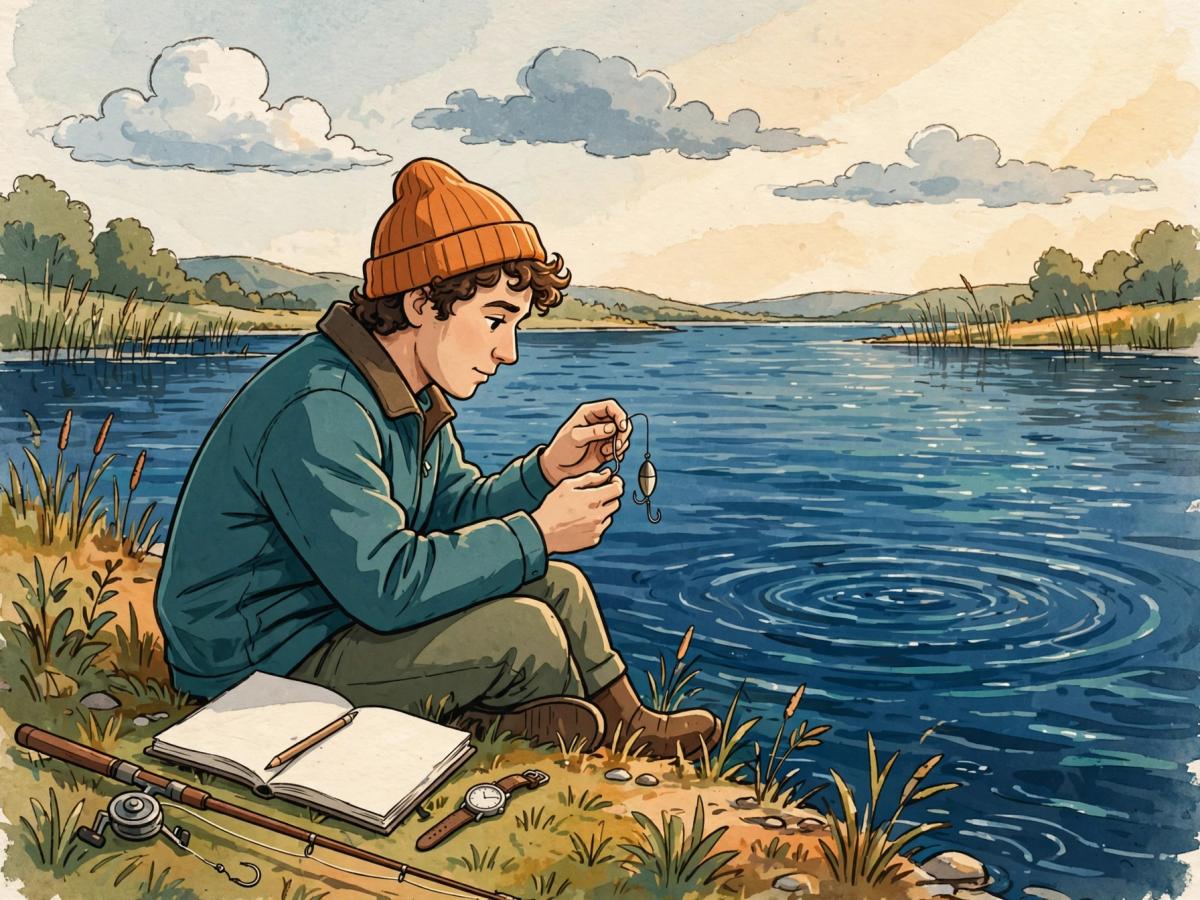
Reading the Water: Make One Change at a Time
Build a calm observation loop: notice the conditions, make one small change, fish long enough to learn, and record what happened before changing again.
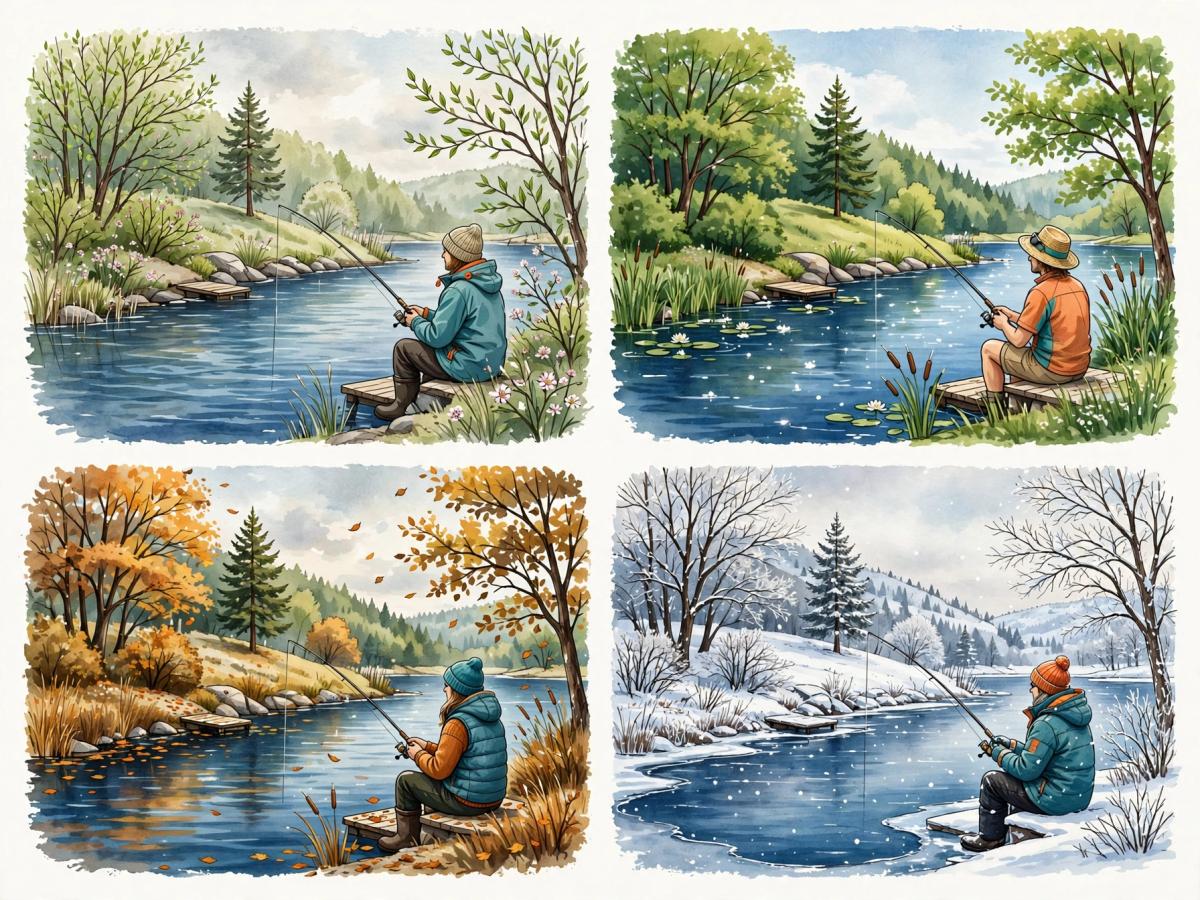
Seasonal Fishing: Start With the Conditions
Use daylight, water temperature direction, vegetation, weather, and local conditions to plan a first choice across the year without relying on a fixed seasonal formula.
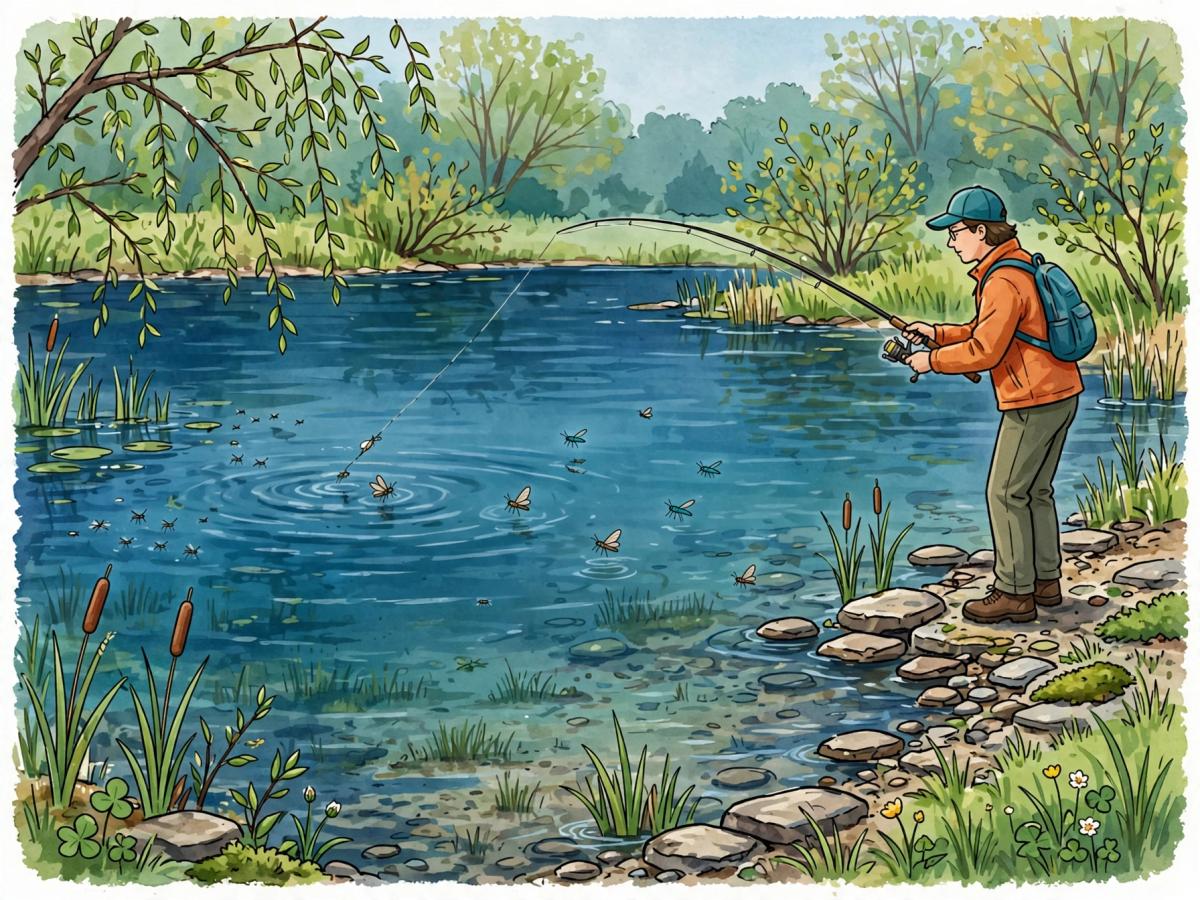
Seasonal Fishing: Spring’s Shallow Water
Learn how warming edges, new vegetation, light, and weather can make shallow water worth observing in spring while keeping species and local conditions in view.
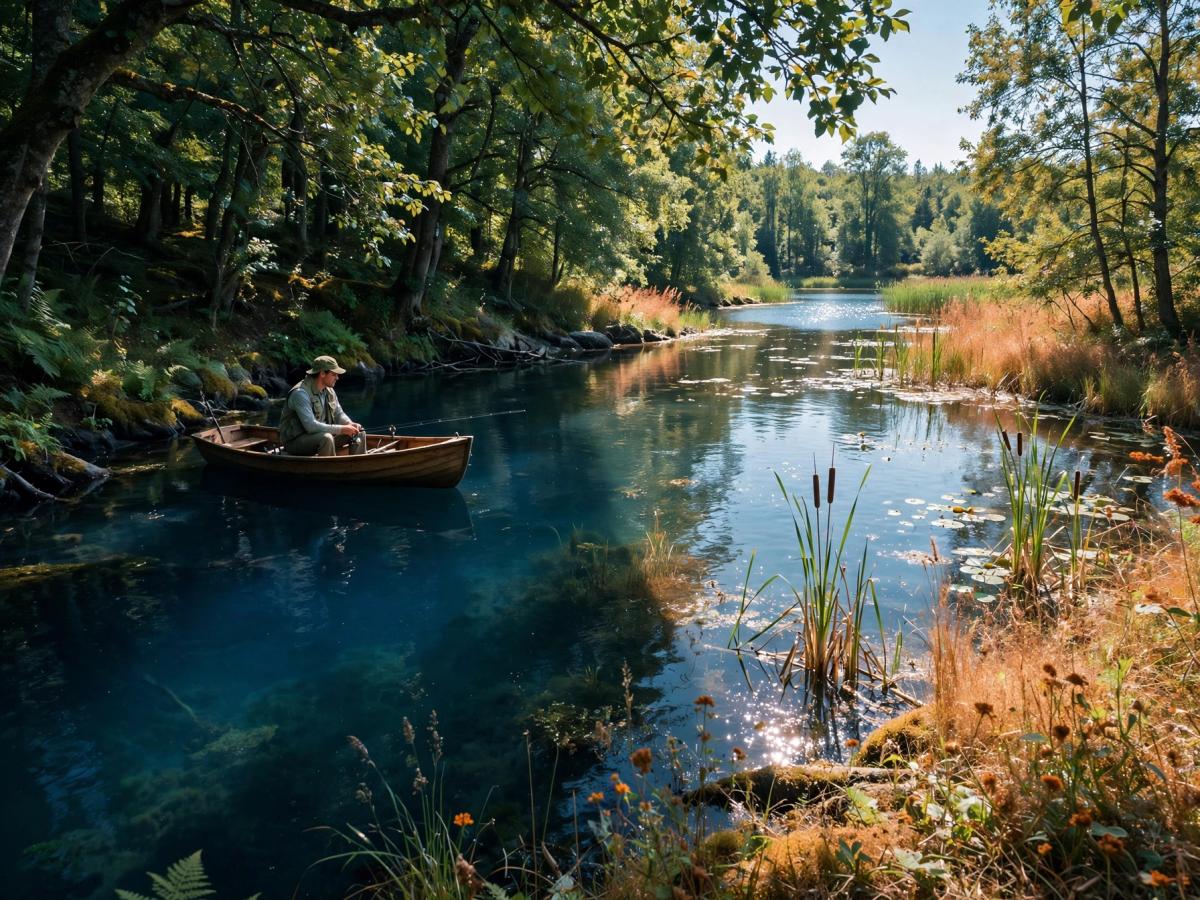
Seasonal Fishing: Summer Shade and Low-Light Windows
Use shade, low-light windows, possible cooler water, hydration, and heat awareness to build a flexible summer plan without making guaranteed location claims.
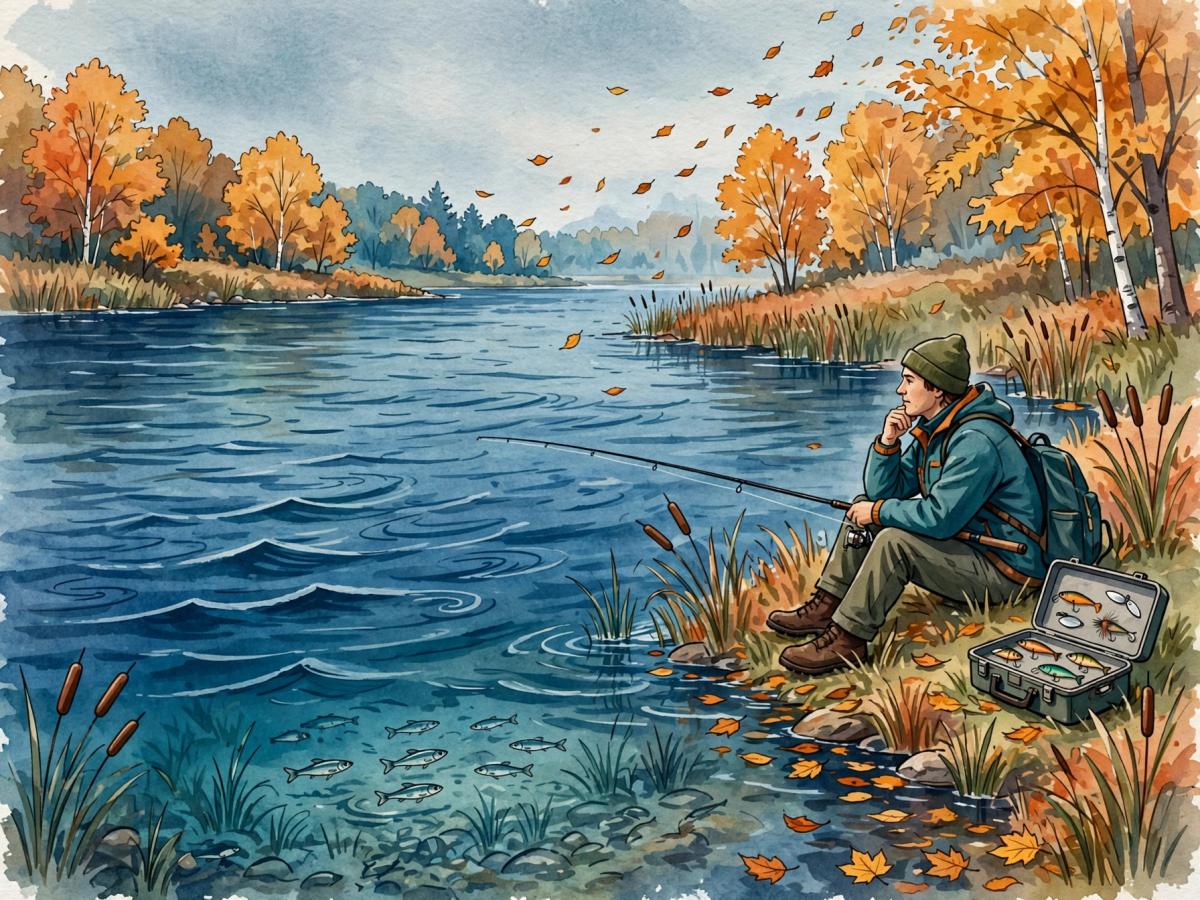
Seasonal Fishing: Fall’s Changing Signals
Read cooling water, changing light, wind, leaves, and visible forage as fall observations that can guide a first choice without turning them into a fixed formula.
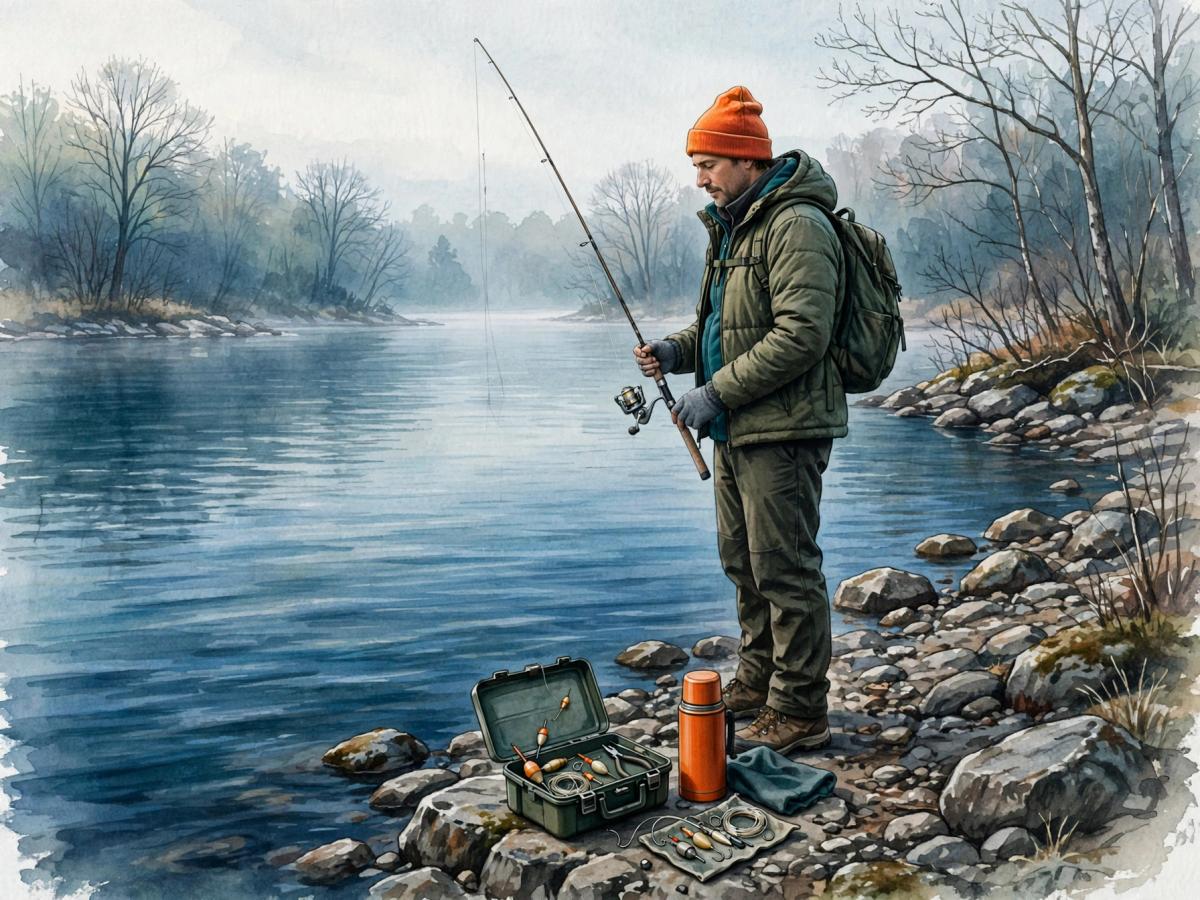
Seasonal Fishing: Cold-Weather Patience and Safe Planning
Plan safer open-water cold-weather sessions with layers, stable footing, short purposeful windows, and patient observation. This lesson does not cover ice fishing.
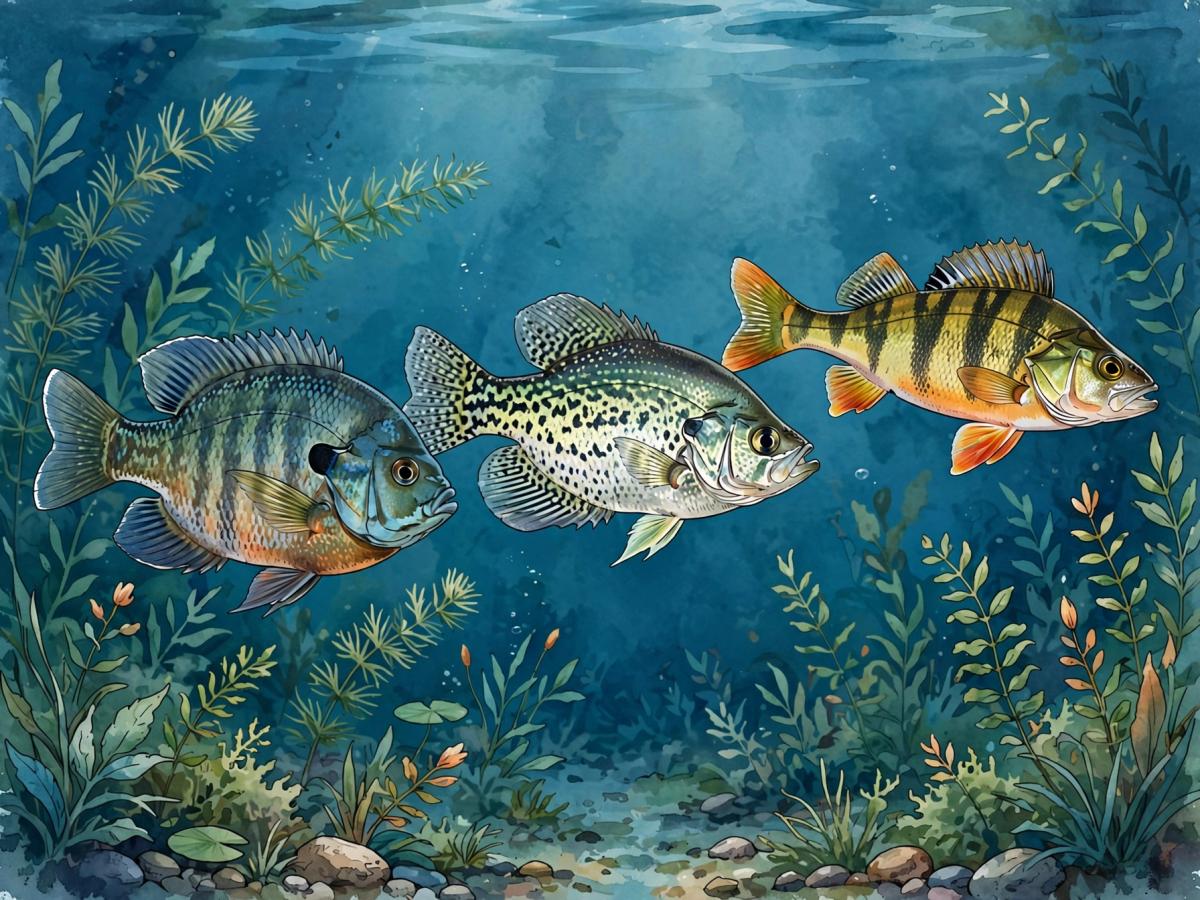
Panfish Fishing: Meet the Bluegill, Crappie, and Perch
Learn practical visual clues for bluegill, crappie, perch, and other local panfish while keeping identification, species differences, and regulations in view.
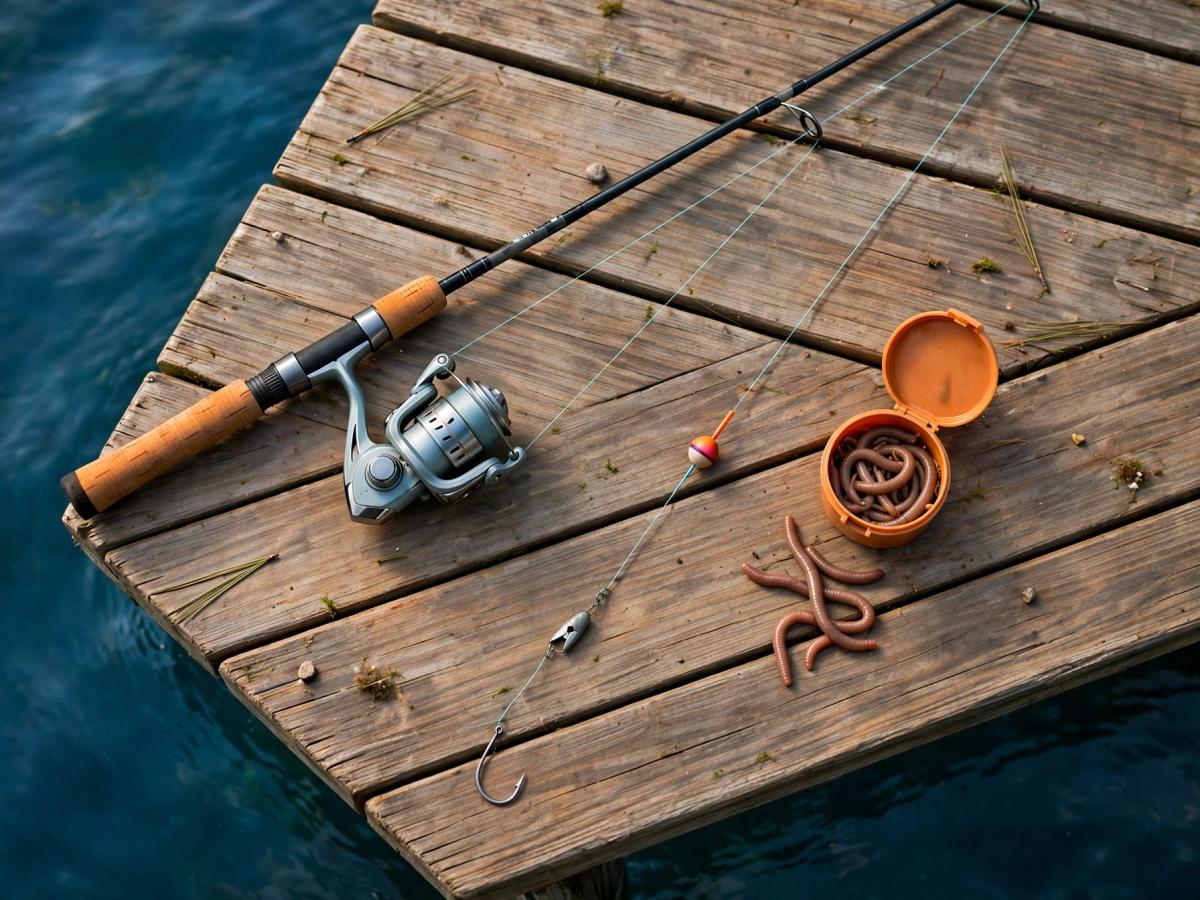
Panfish Fishing: Build a Simple Bobber Rig
Assemble a clear bobber rig from a rod and reel, light line, small hook, float, split shot, and legal bait, then learn depth adjustments one change at a time.
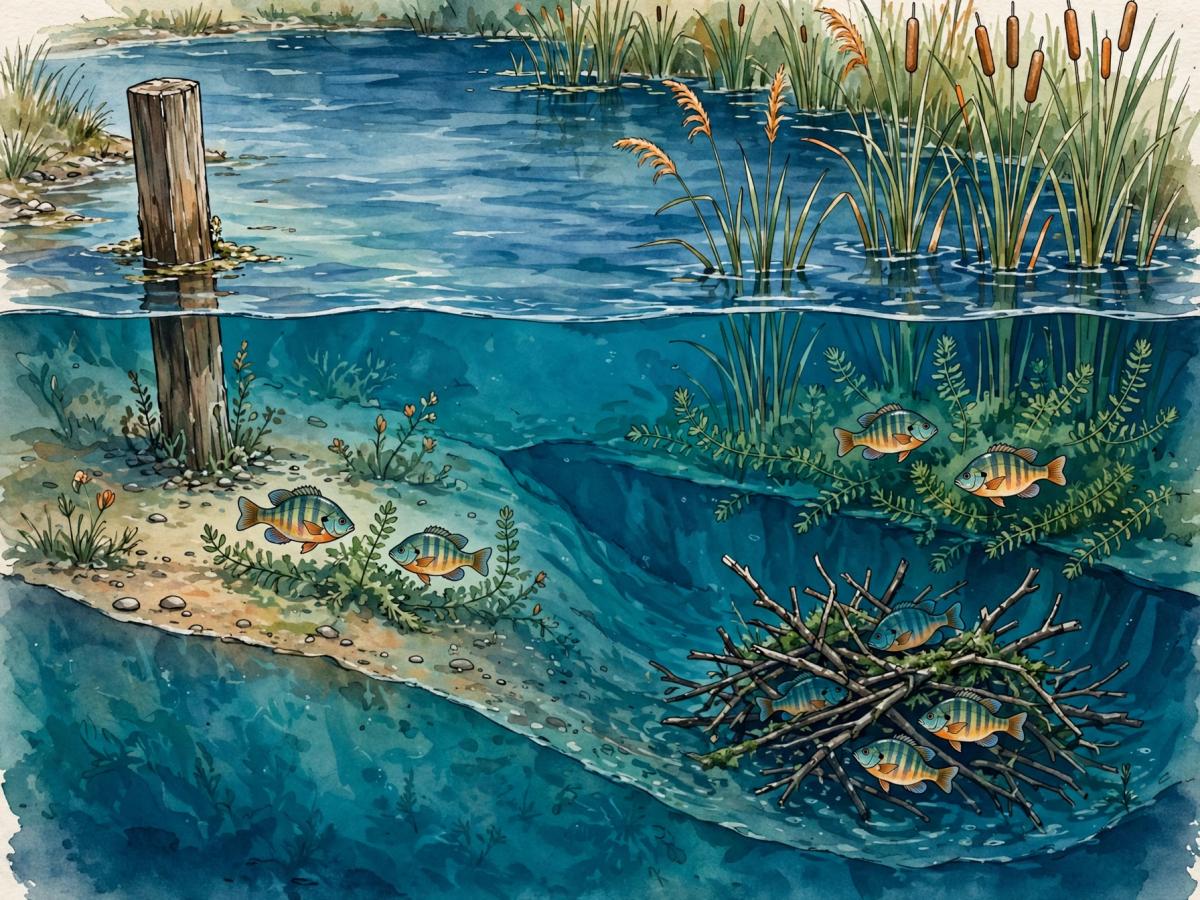
Panfish Fishing: Find Cover, Depth, and Safe Access
Read reeds, docks, brush, weeds, shallow flats, shade, and reachable depth changes as clues while building a safe casting route and avoiding guaranteed-location claims.
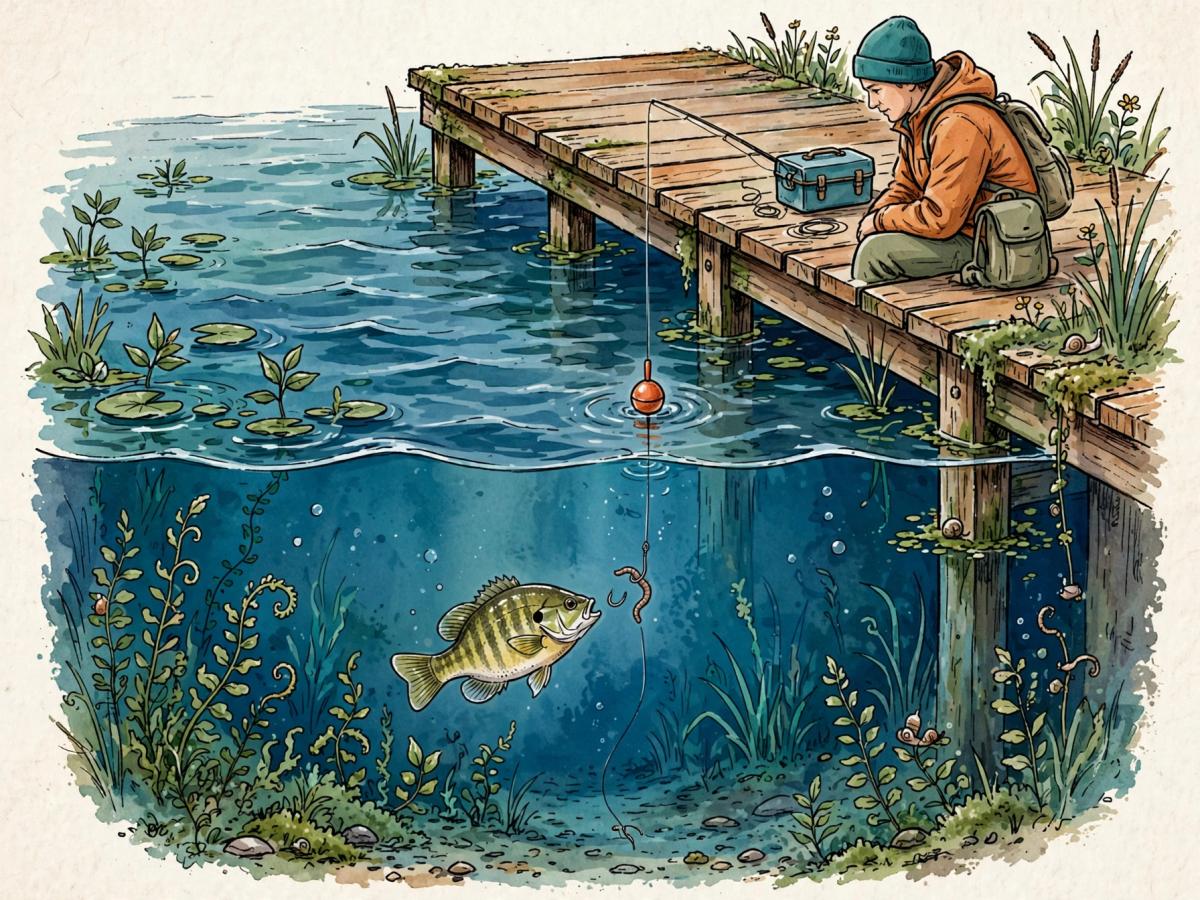
Panfish Fishing: Make a Small Presentation Work
Learn to read a bobber, present small bait or lures gently, match size to visible conditions, and change one variable at a time.
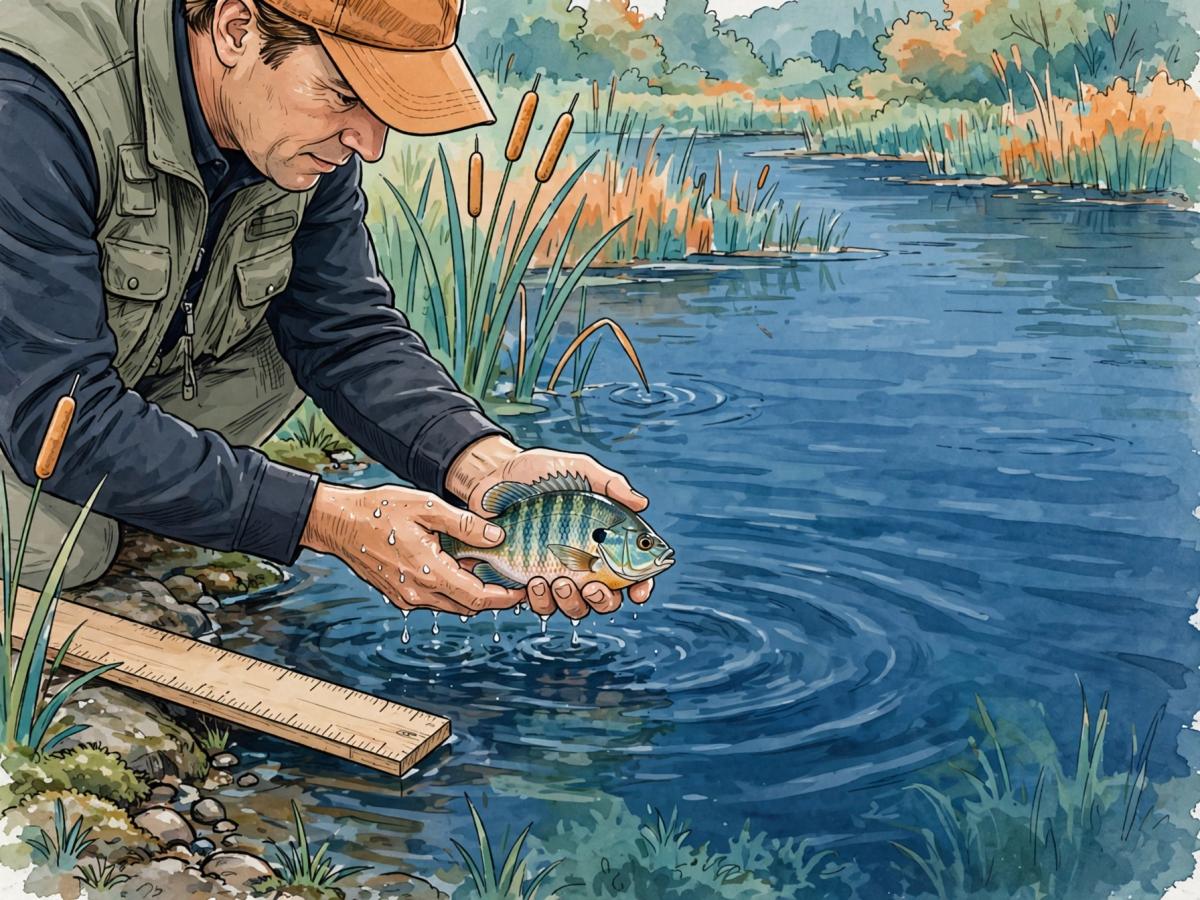
Panfish Fishing: Handle Fish Responsibly
Practice wet-handed, close-to-water handling, careful hook removal, and release or legal harvest decisions that follow local rules and stop when safety changes.
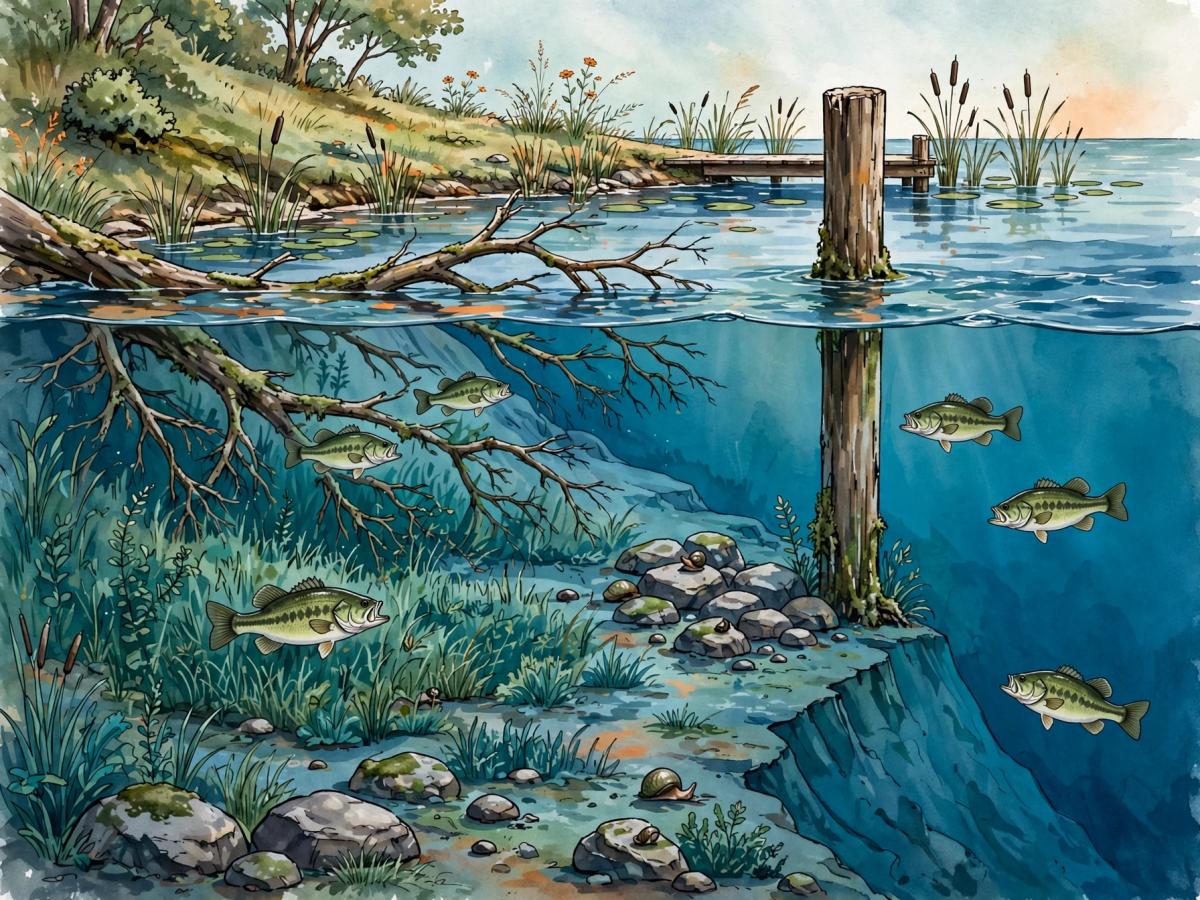
Bass Fishing Foundations: Start With Cover
Learn to read grass, wood, docks, rocks, shade, depth changes, and edges as shoreline clues before you choose where to search.
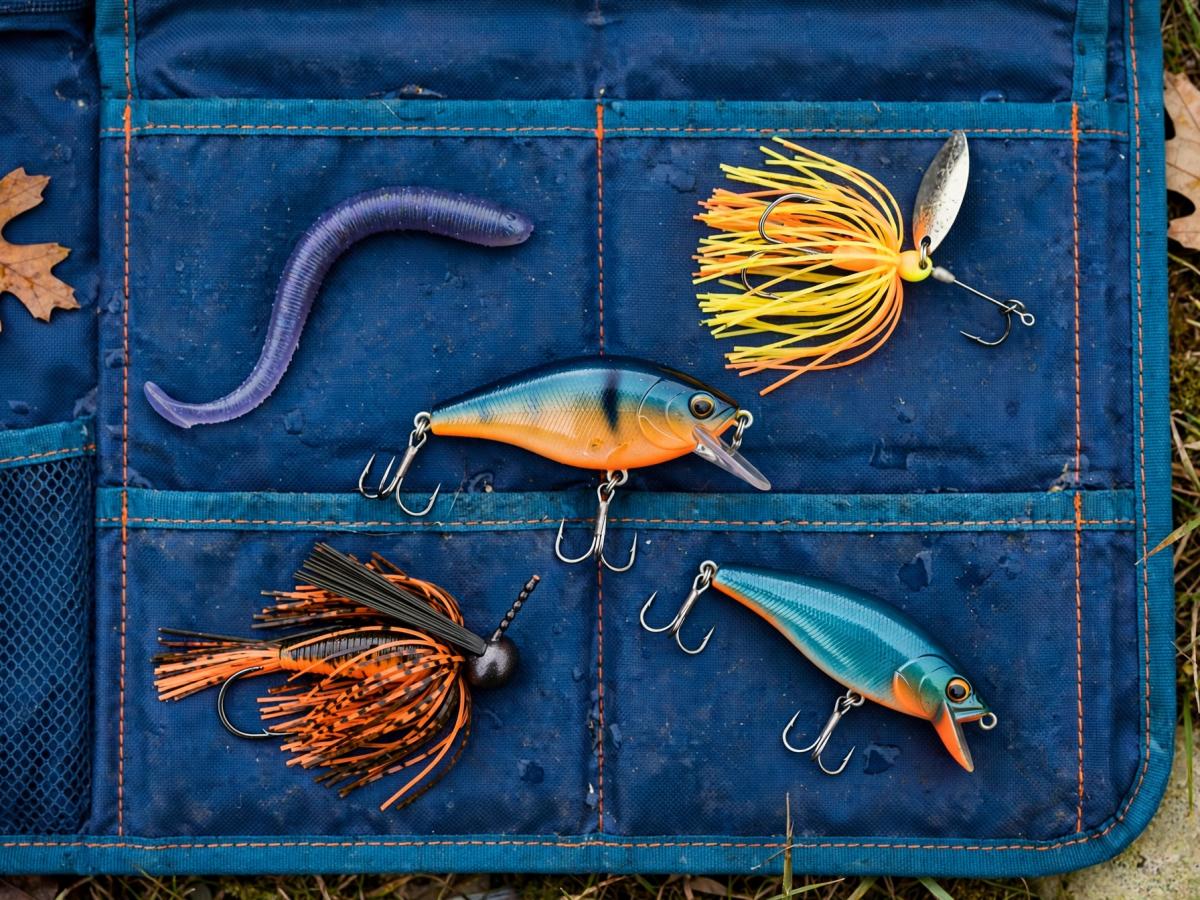
Bass Fishing Foundations: Choose a Simple Lure Family
Compare soft plastics, spinnerbaits, crankbaits, jigs, and topwater as broad presentation families, then choose one for the water you can control.
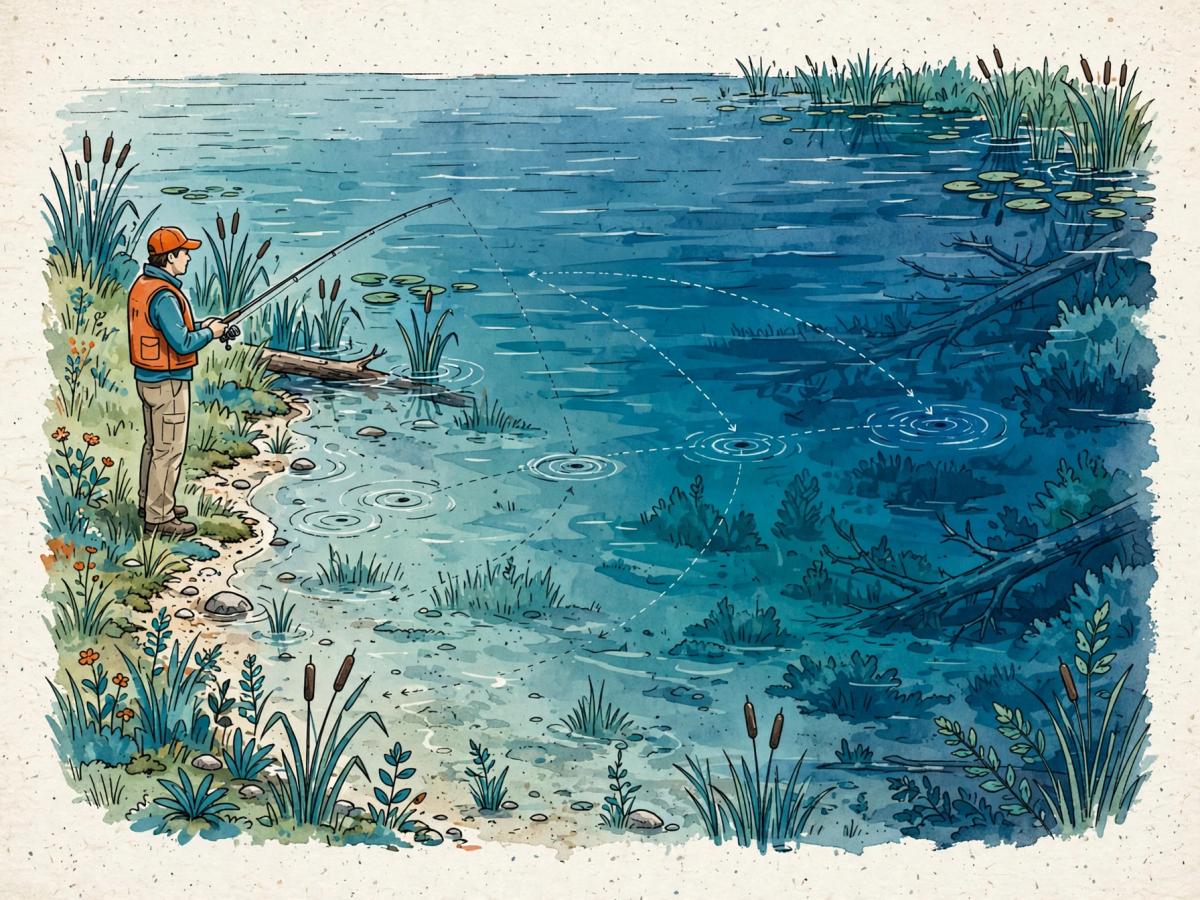
Bass Fishing Foundations: Search From Shallow to Deep
Build a repeatable shoreline search from shallow to deeper clues, using fan casts, careful notes, and one change at a time.
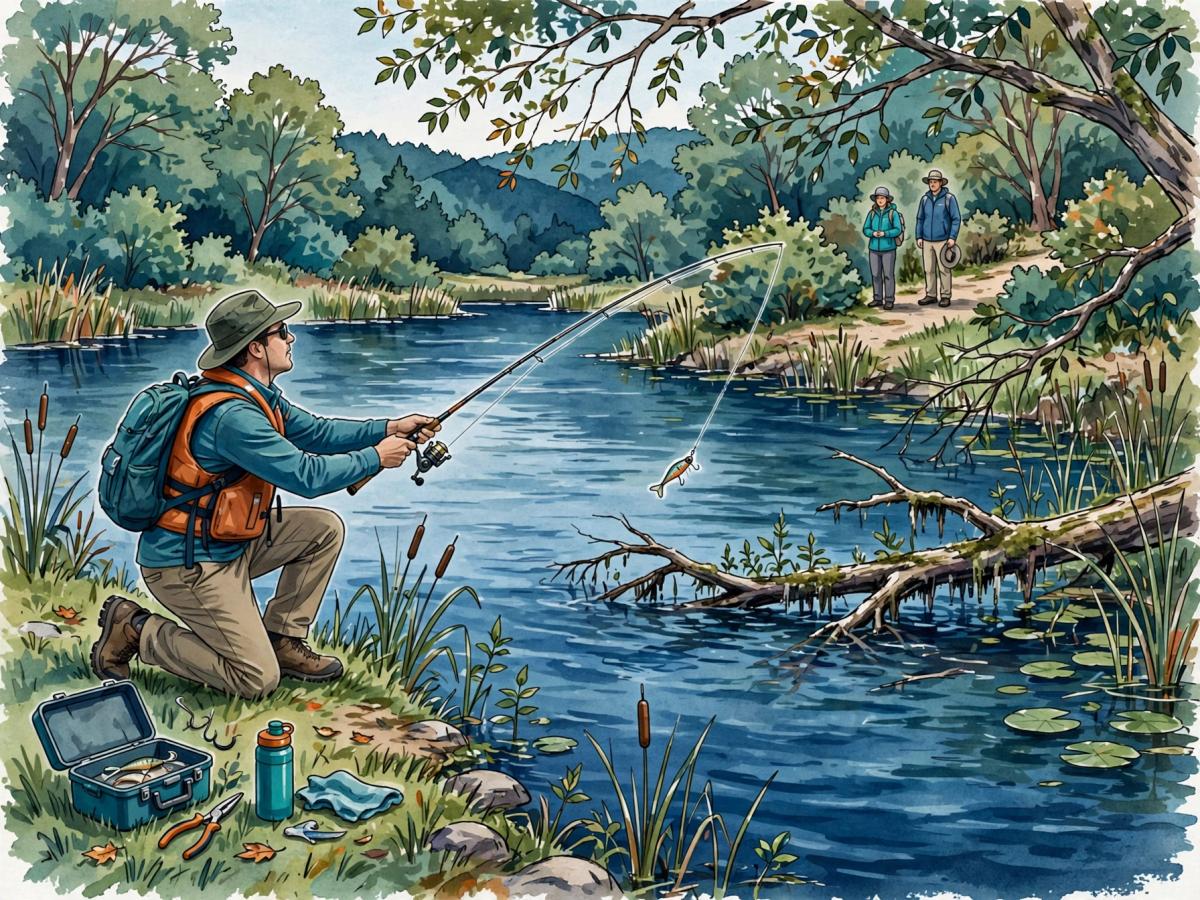
Bass Fishing Foundations: Cast Around Cover Safely
Learn to choose casting angles, trace snag paths, and make three safety checks before placing a lure around bass cover.
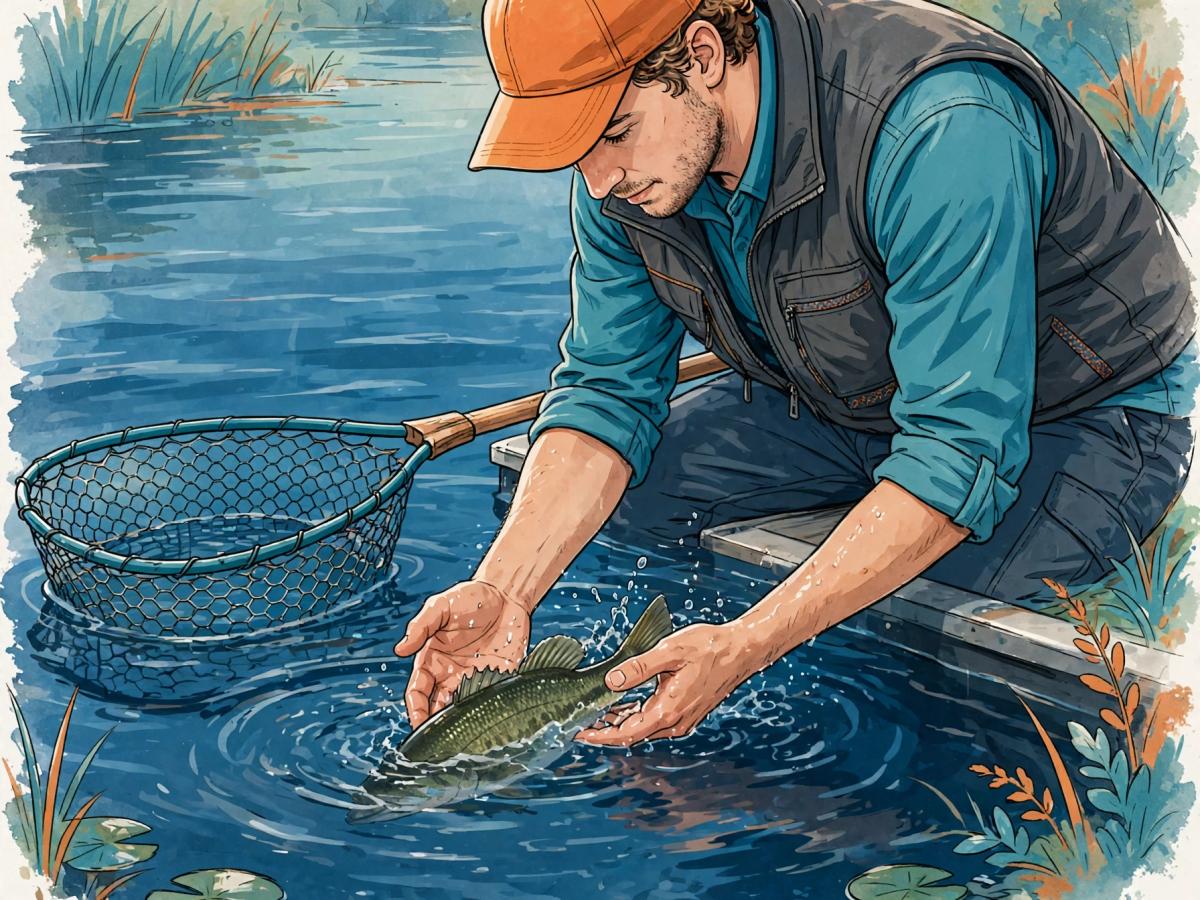
Bass Fishing Foundations: Land and Release Responsibly
Practice a calm bass landing with net and hook awareness, wet-hand support, low handling, and responsible release or legal-harvest decisions.
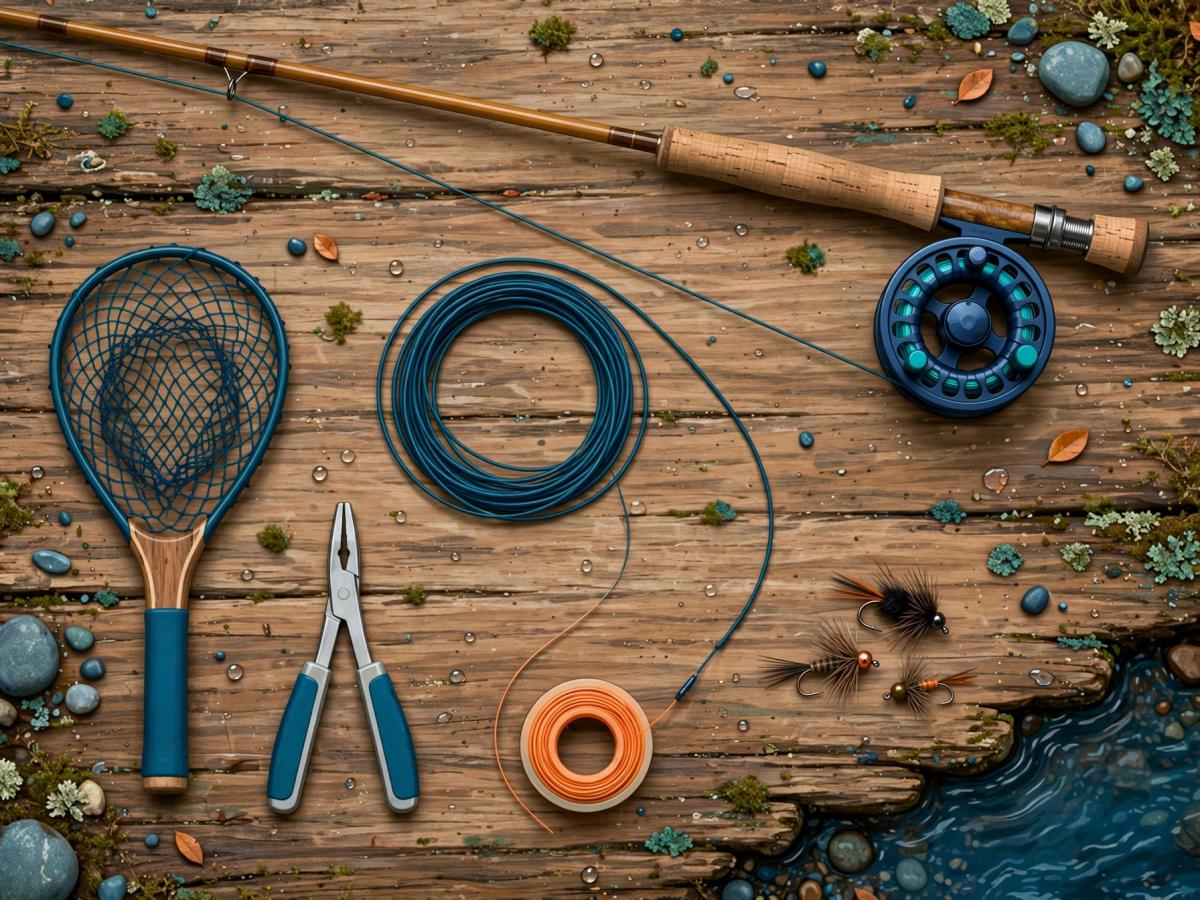
Fly Fishing Foundations: Meet the Outfit
Learn the role of the rod, reel, line, leader, tippet, fly, forceps, and net so your first fly setup feels understandable and approachable.
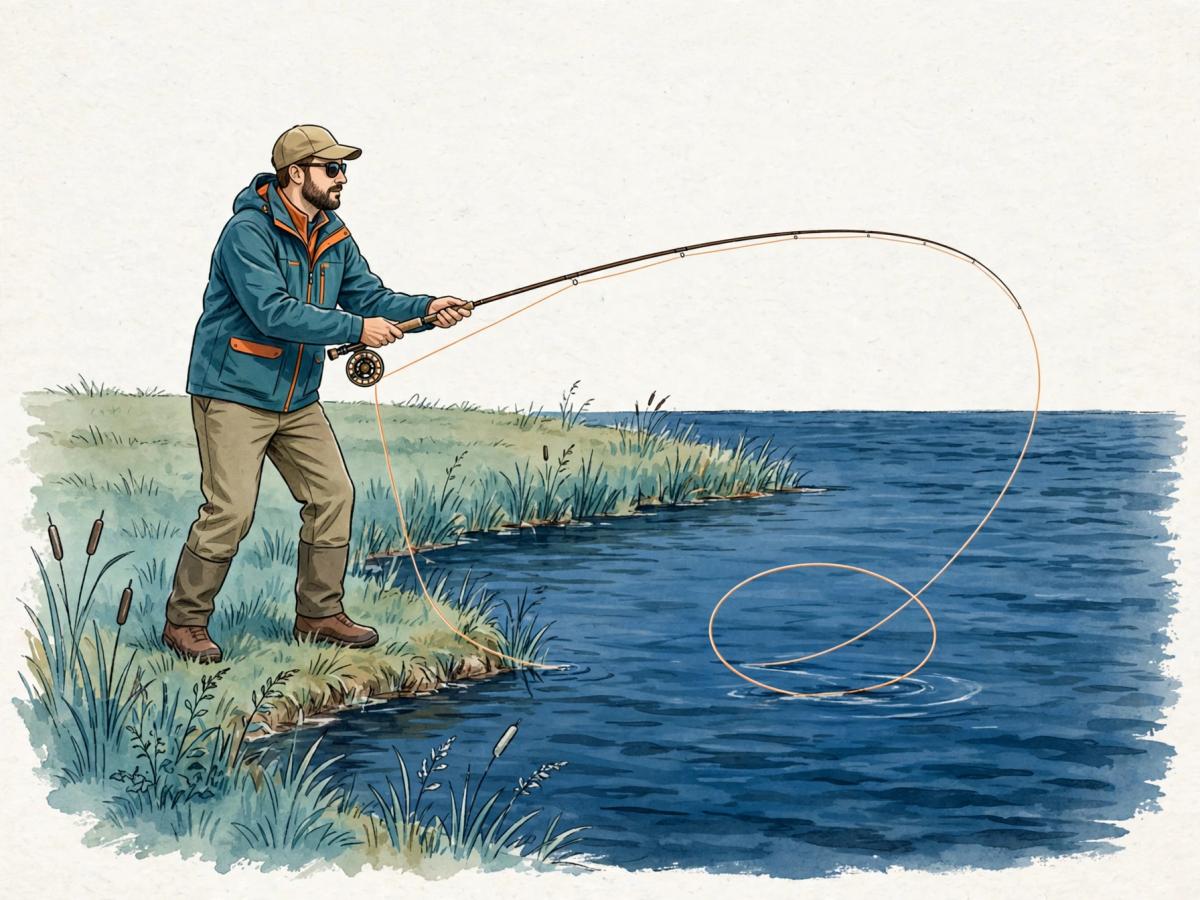
Fly Fishing Foundations: Your First Roll Cast
Practice a safe, low-pressure roll cast by creating a simple anchor, forming a relaxed loop, and stopping before the line straightens.
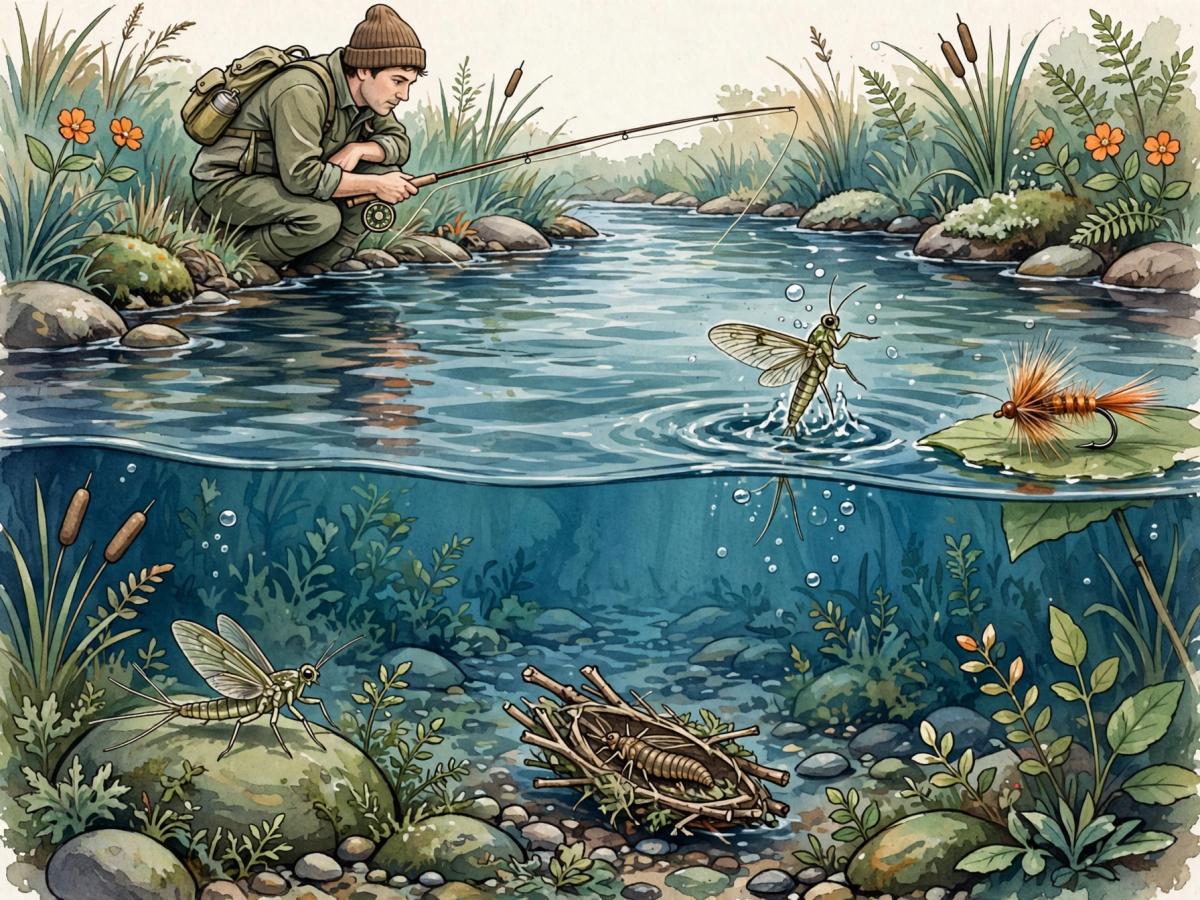
Fly Fishing Foundations: Observe the Food
Learn to read the surface, shoreline, and small food clues before choosing a broad fly presentation that fits the moment.
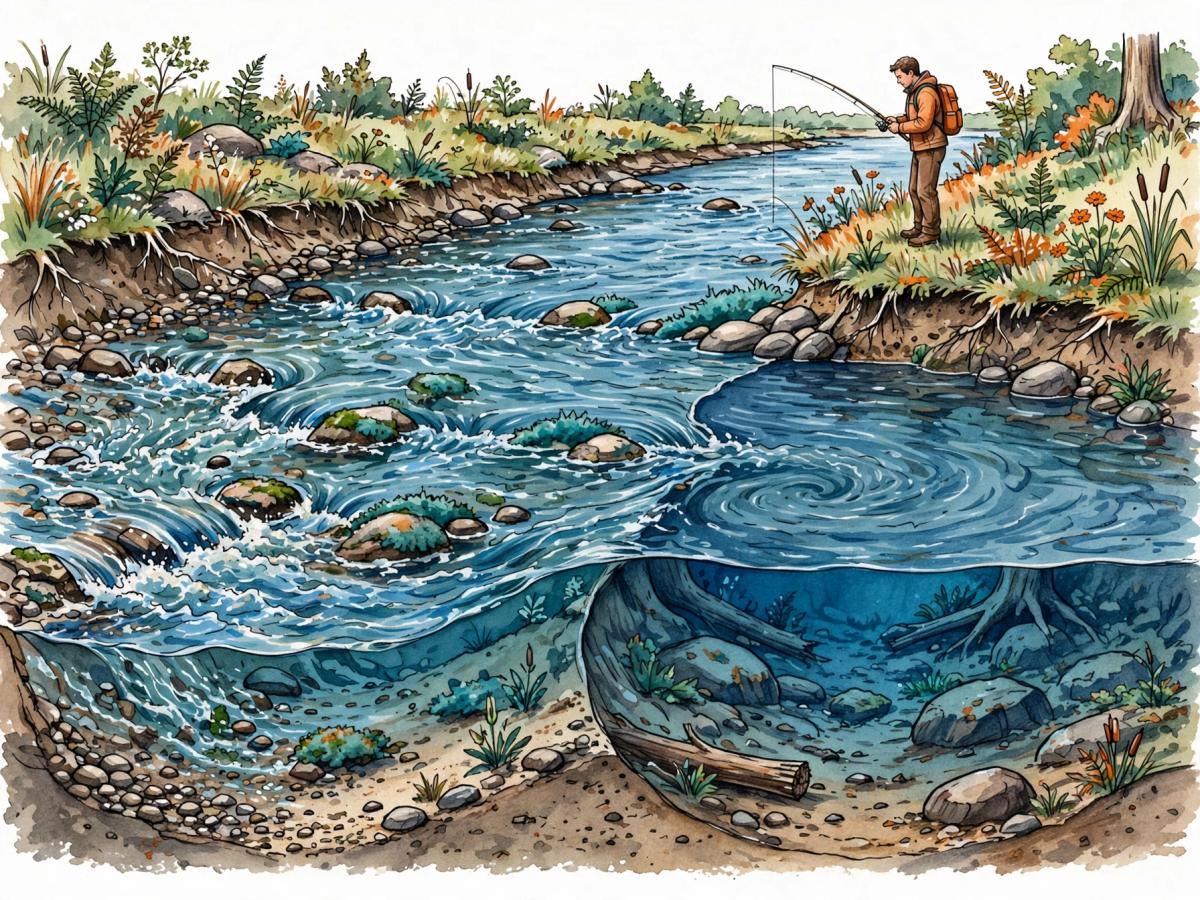
Fly Fishing Foundations: Read Moving Water
Learn the language of riffles, runs, pools, seams, and edges, then use a safe bank position to study how water carries a presentation.
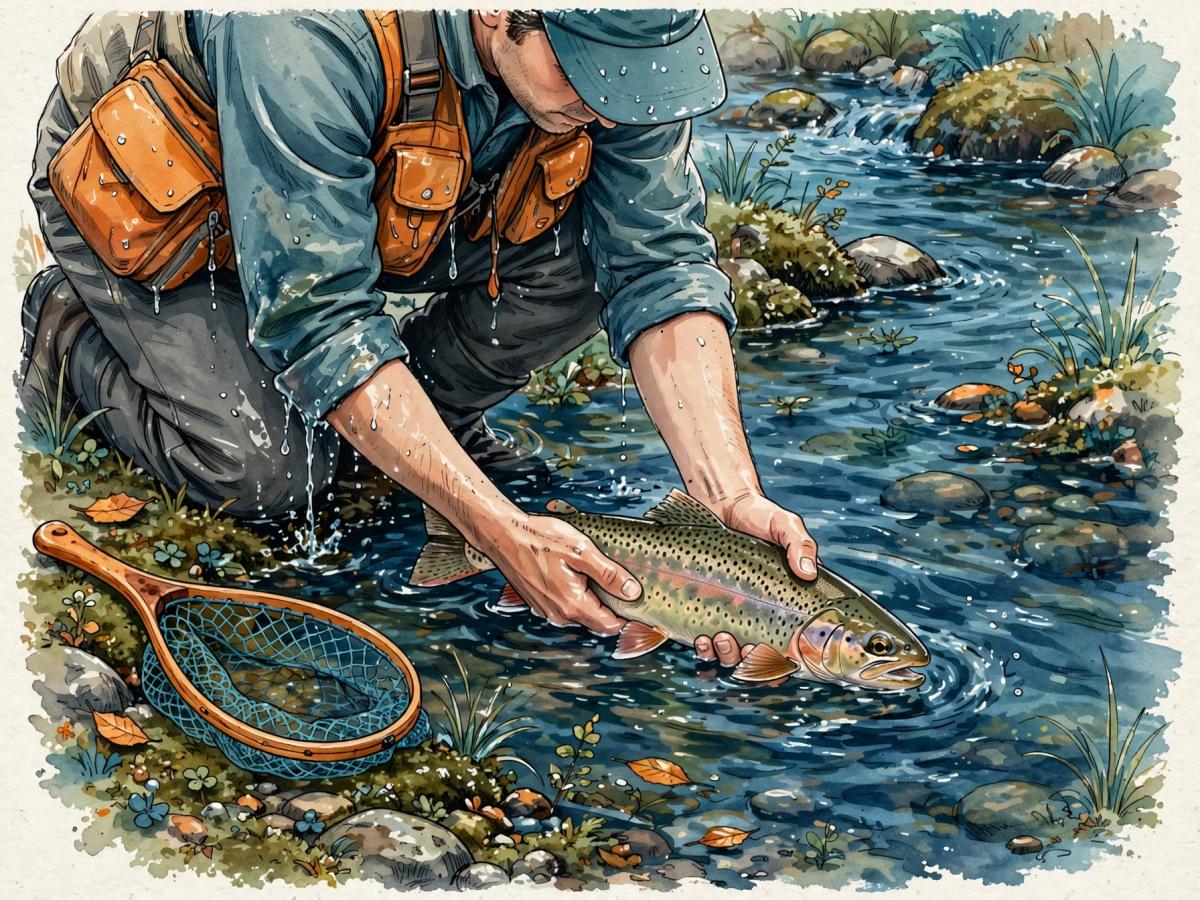
Fly Fishing Foundations: Land and Release With Care
Practice calm hook awareness, net and forceps use, wet-hand handling, and local-rule decisions for a careful landing and release.
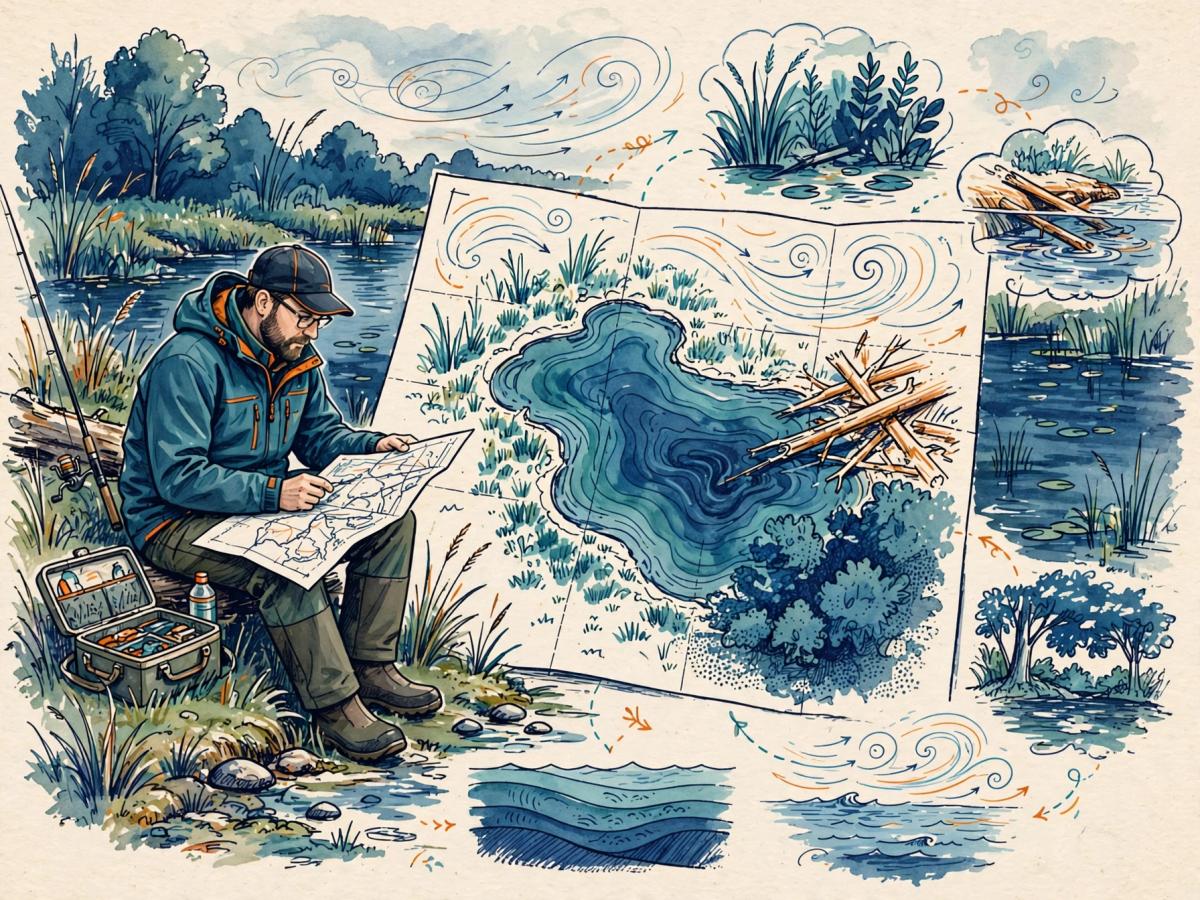
Bass Fishing Beyond the Basics: Build a Pattern
Turn cover, depth, light, wind, forage, and bites into a small pattern you can test. Learn to separate what the water shows from what you are guessing.
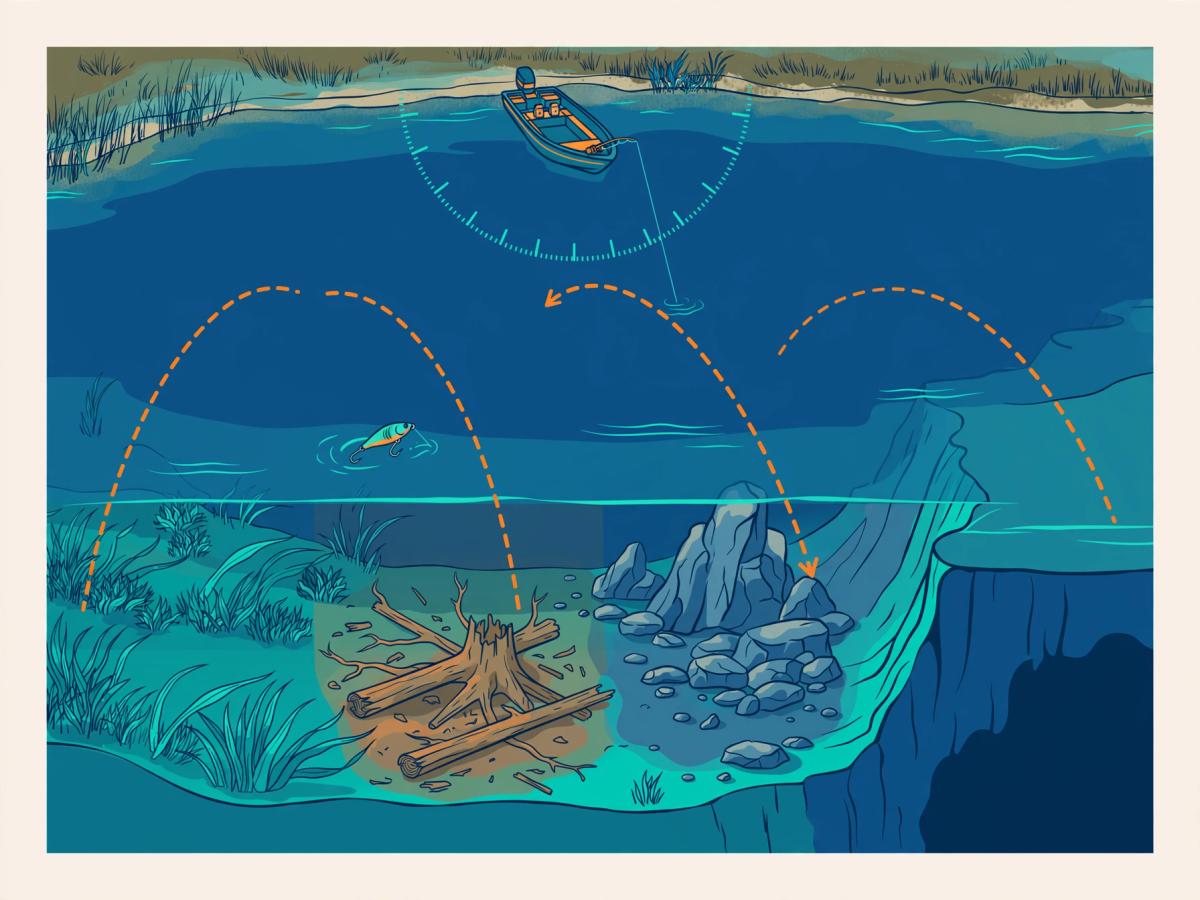
Bass Fishing Beyond the Basics: Match Presentation to Cover
Choose a broad lure family and casting angle by reading grass, wood, rock, docks, and edges. Keep hooks manageable while you test the cover.
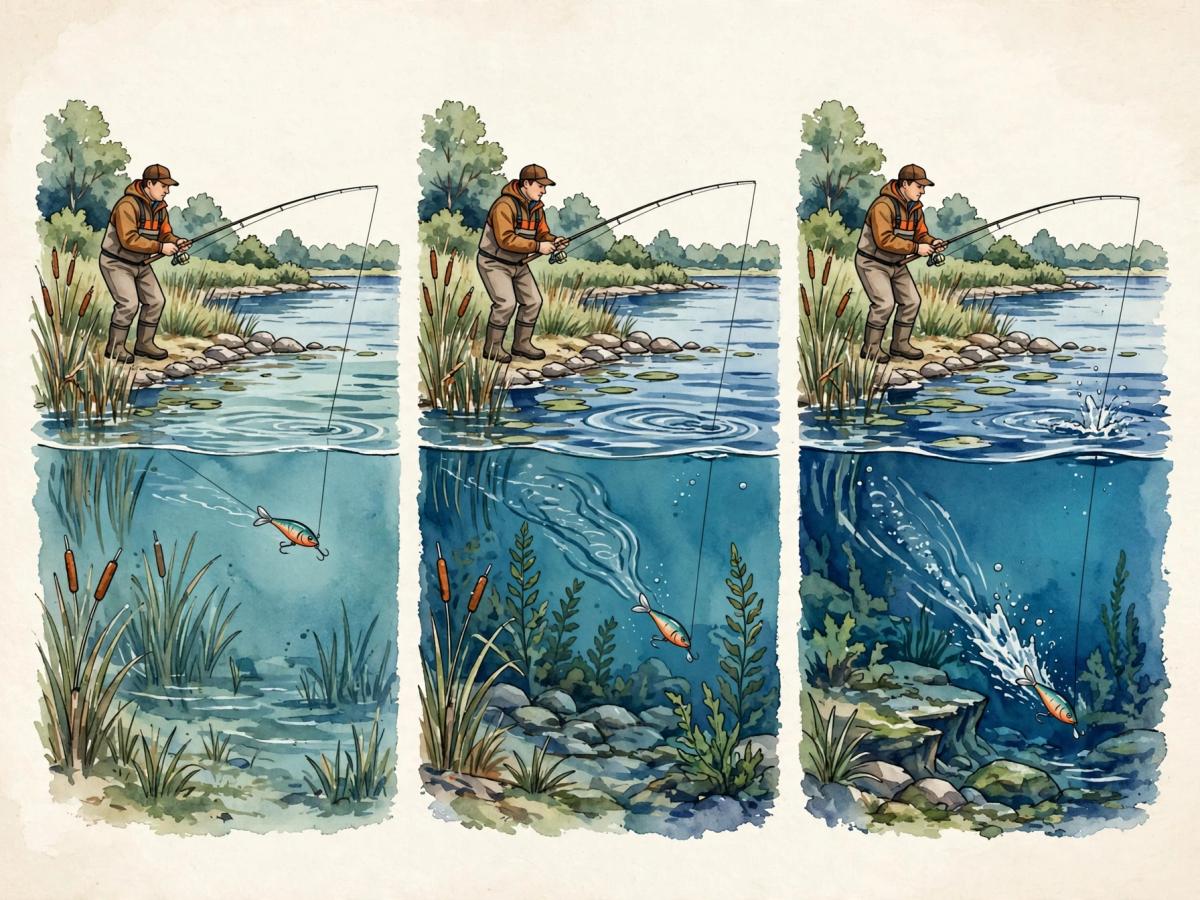
Bass Fishing Beyond the Basics: Change Pace, Angle, and Retrieve
Practice changing one bass variable at a time. Compare pace, casting angle, and retrieve through the responses the lure gives you around cover.
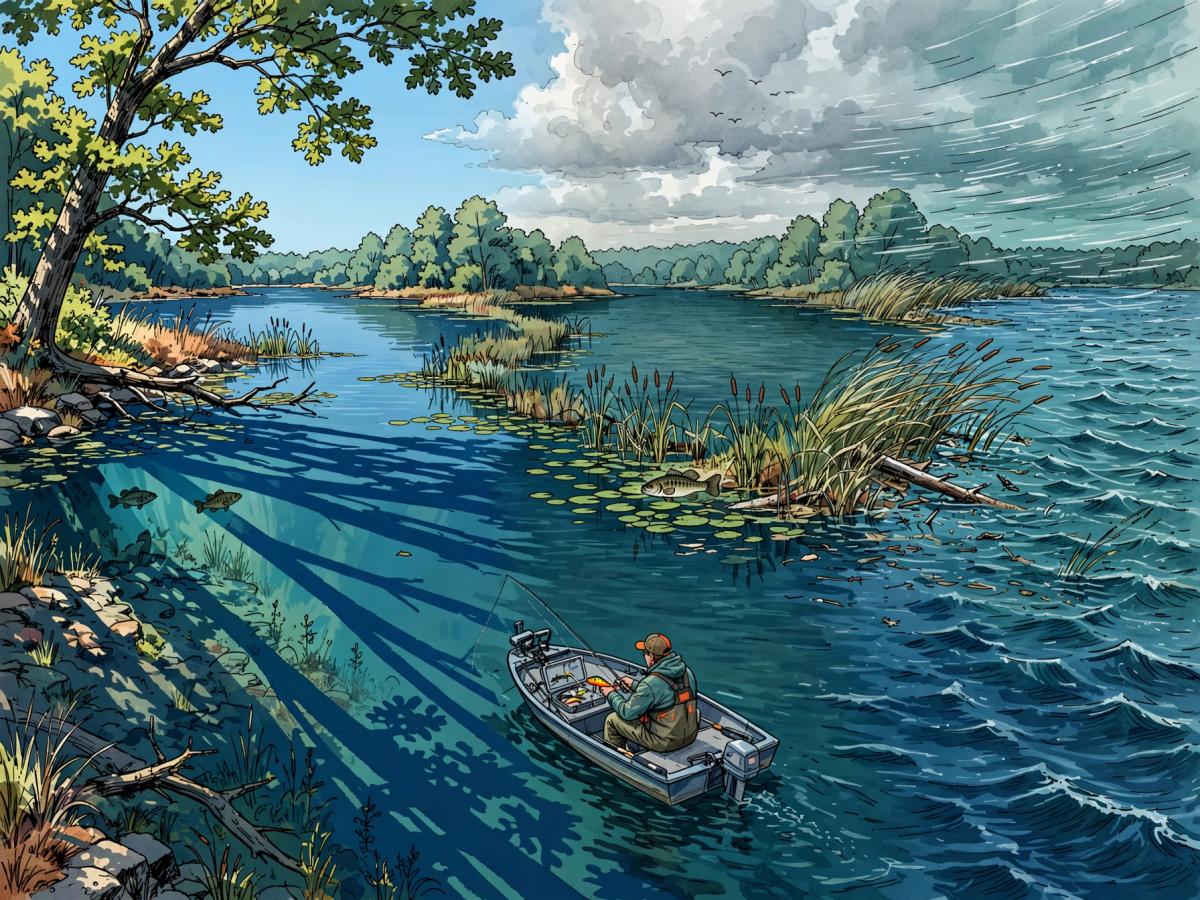
Bass Fishing Beyond the Basics: Weather, Light, and Seasonal Clues
Use light, wind, temperature trends, weather history, and seasonal context to choose better bass observations. Keep the plan flexible and safety-led.
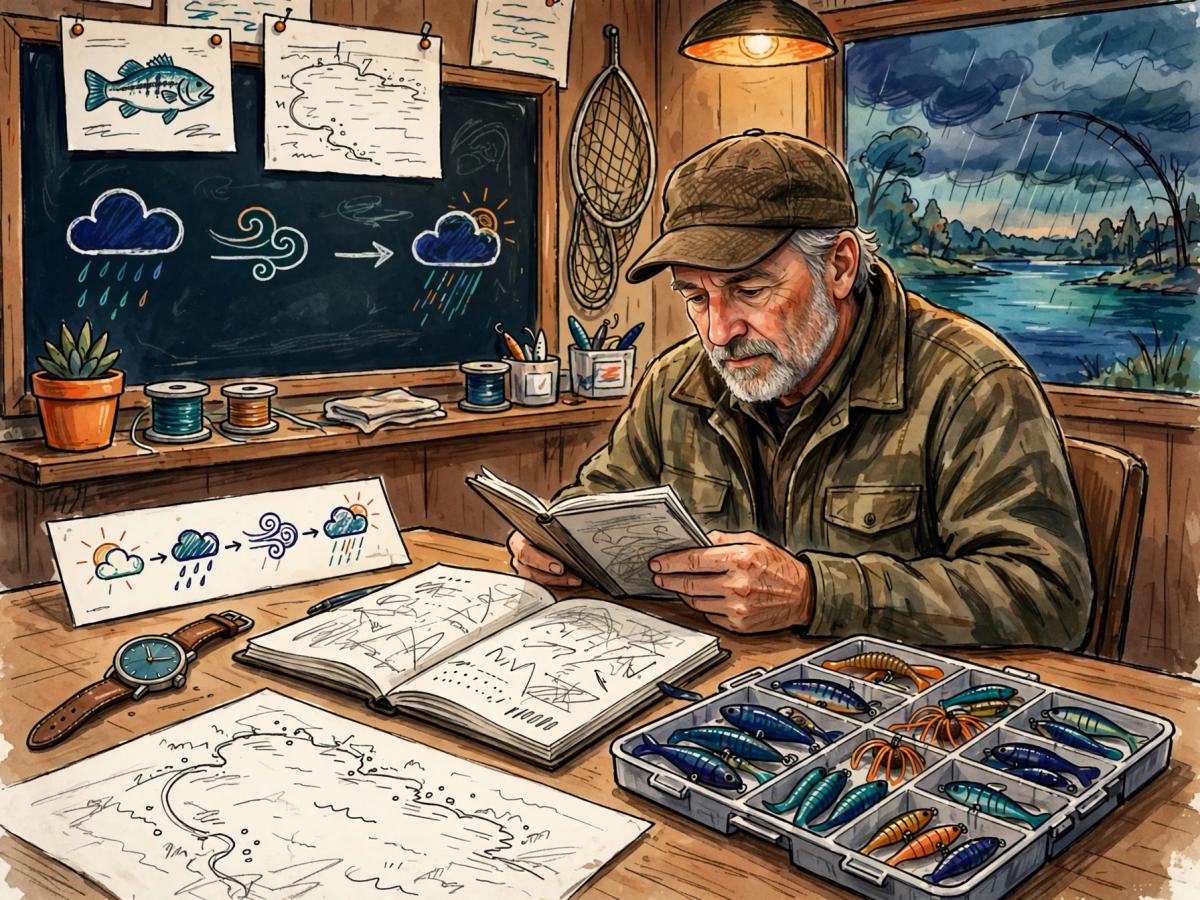
Bass Fishing Beyond the Basics: Keep a Useful Fishing Log
Build a compact log that connects conditions, cover, presentation, response, and the next question. Use repeated observations carefully, without promising a guaranteed pattern.
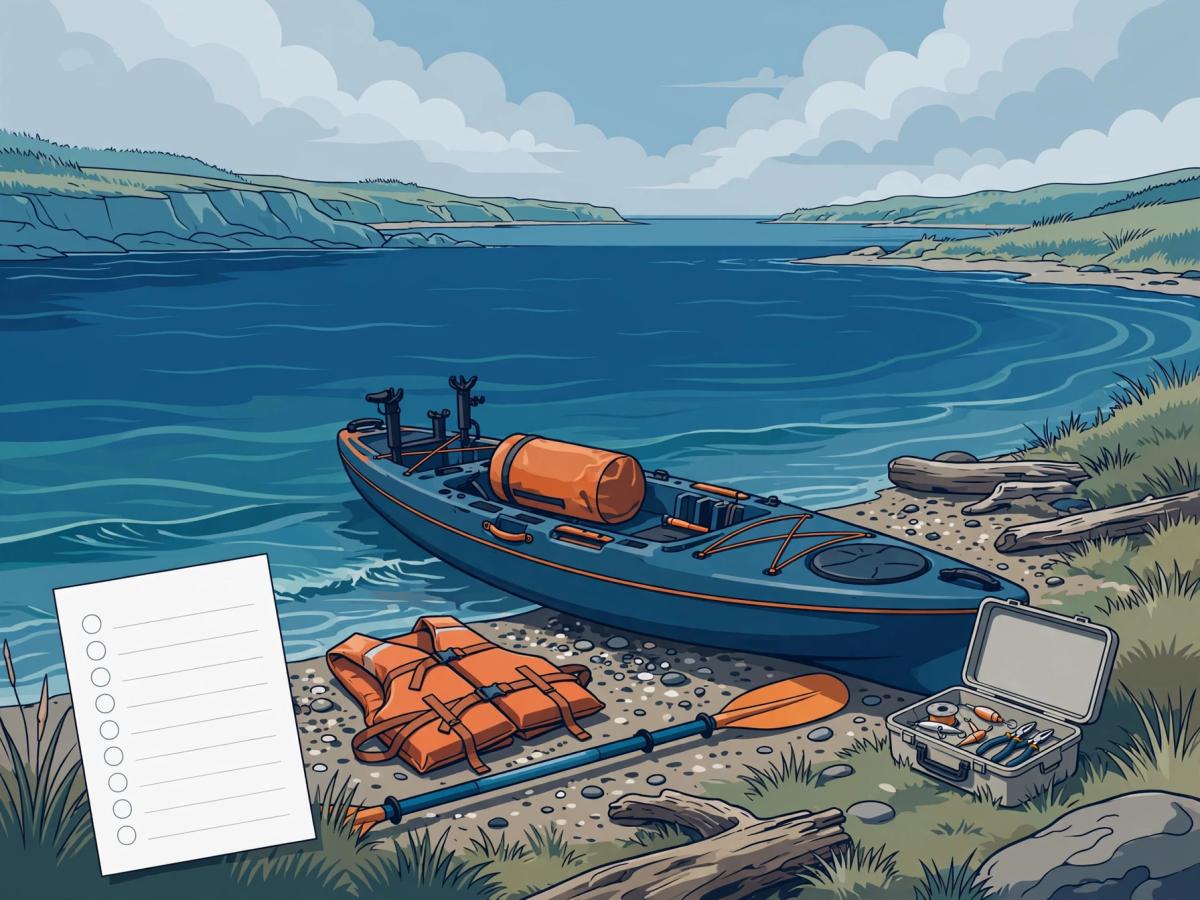
Kayak and Saltwater: Plan the Water Before You Launch
Build a conservative kayak trip plan by checking marine and weather conditions, water movement, access, communication, and the route home before launch.
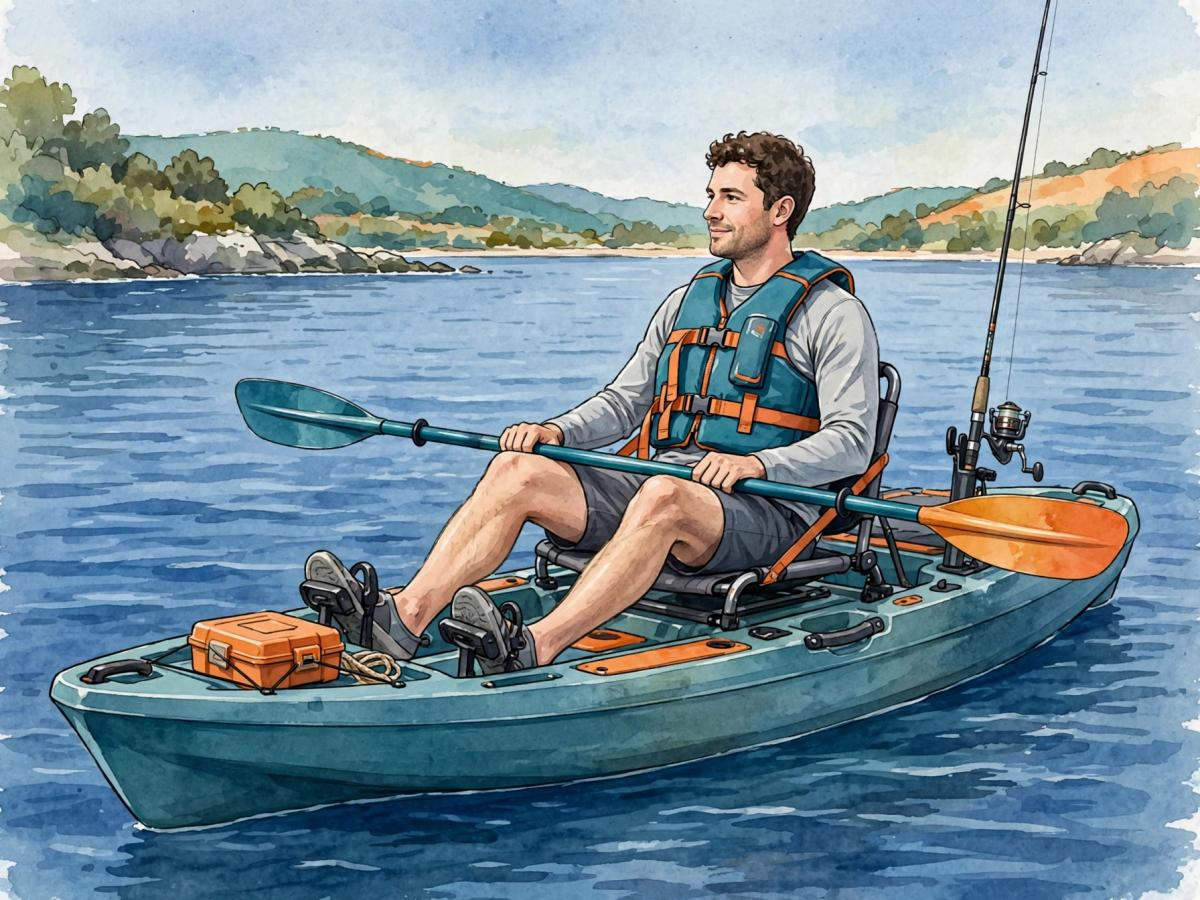
Kayak and Saltwater: Stay Stable and Comfortable
Learn seated balance, paddle control, secure equipment, hydration, sun protection, and the early signals that make a kayak day safer and more comfortable.
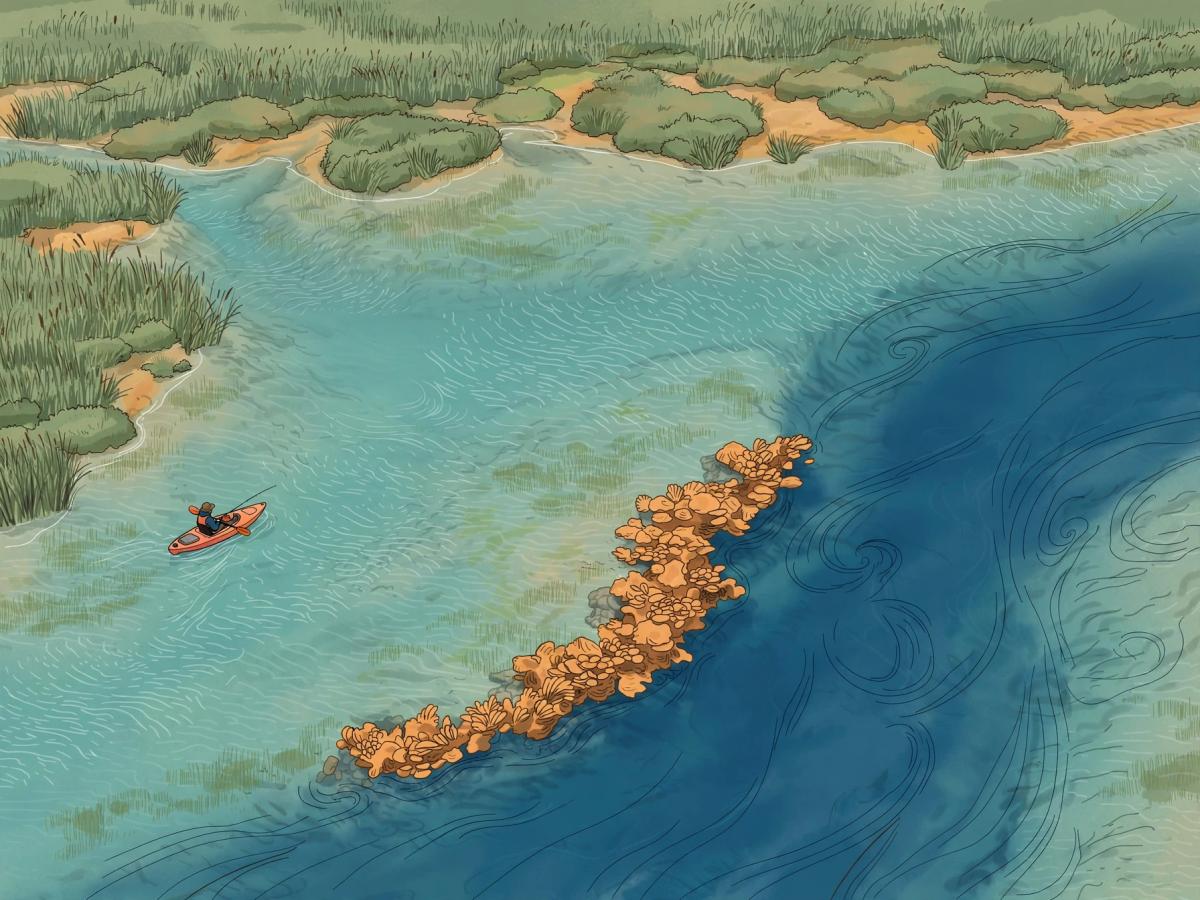
Kayak and Saltwater: Read Tides, Current, and Structure
Practice observing marsh edges, channels, flats, wind ripples, current lines, and structure while keeping the route and conditions within your ability.
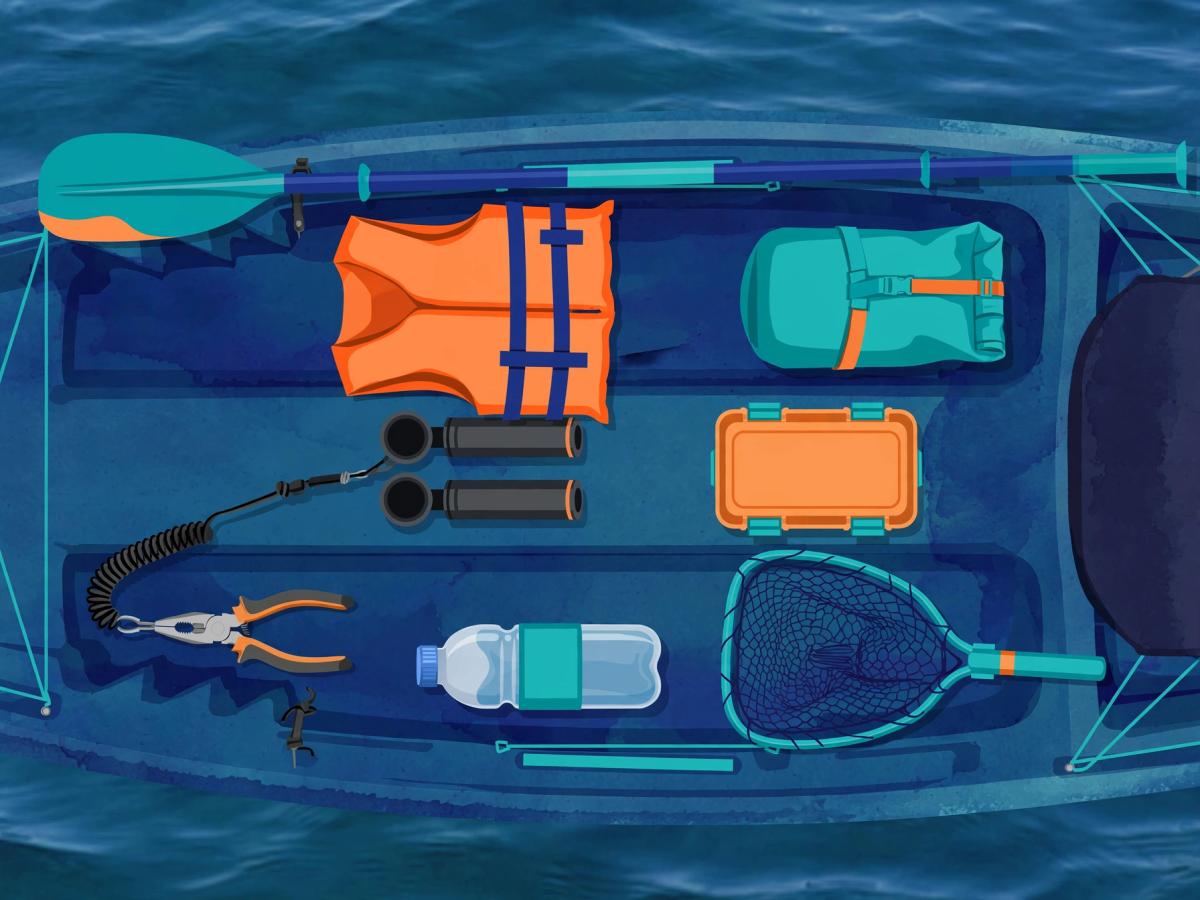
Kayak and Saltwater: Pack Tackle for a Small Craft
Build a compact kayak tackle plan with secured hooks, reachable tools, dry storage, water, and enough open space to move safely.
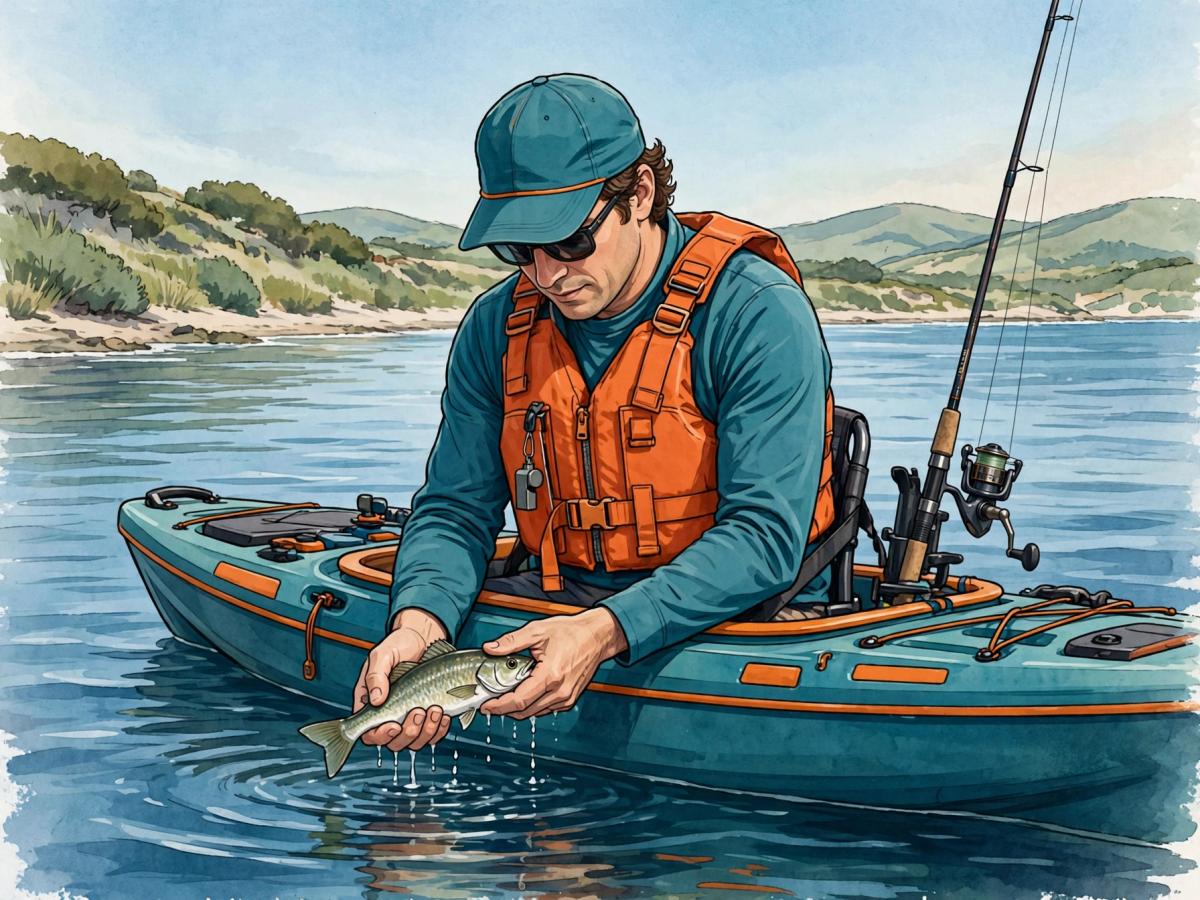
Kayak and Saltwater: Handle Fish and Return Safely
Practice seated, low-over-water fish handling with wet hands, careful hook removal, local-rule checks, and a clear stopping point when handling becomes unsafe.
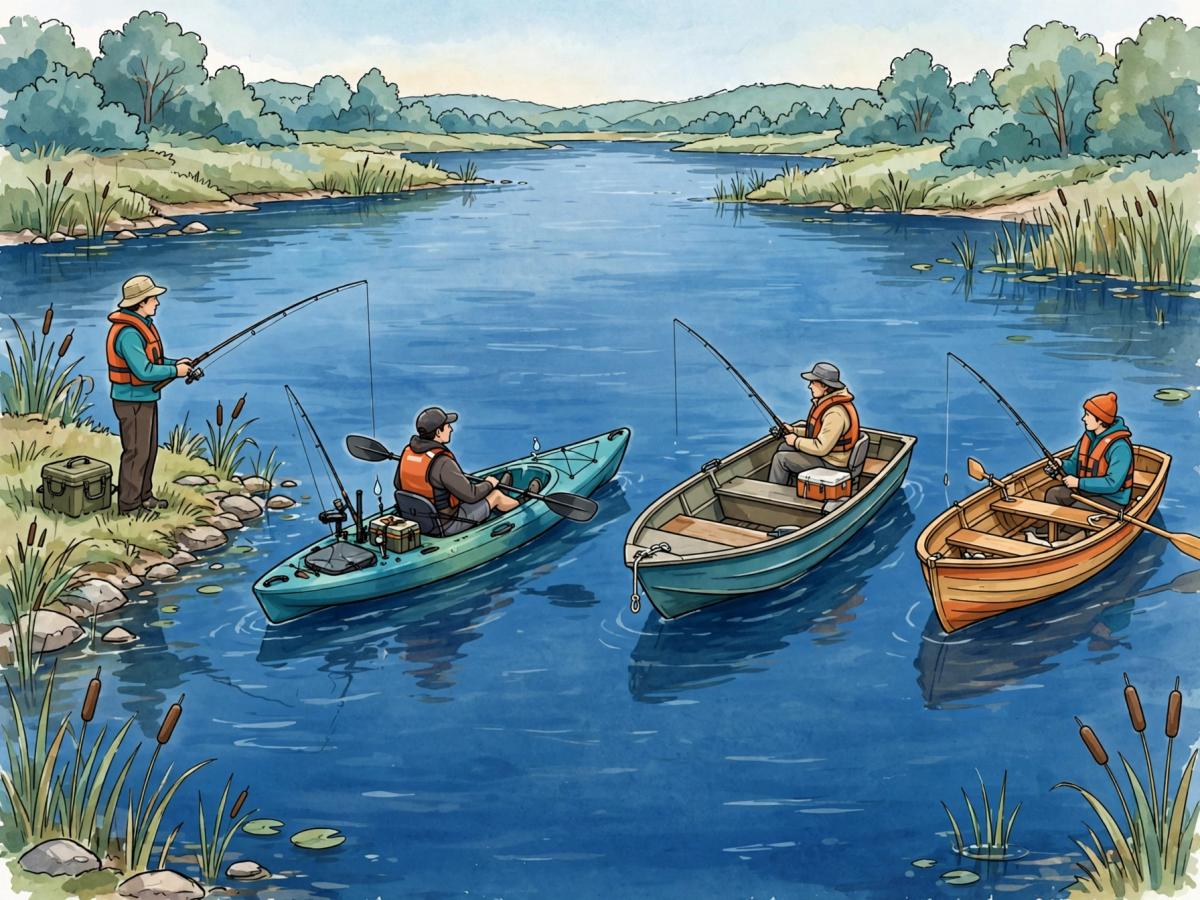
Boats and Watercraft: Choose the Right Platform
Compare shore access, kayaks, small jon boats, and simple skiffs by water, access, skill, group needs, and safety instead of shopping by image alone.
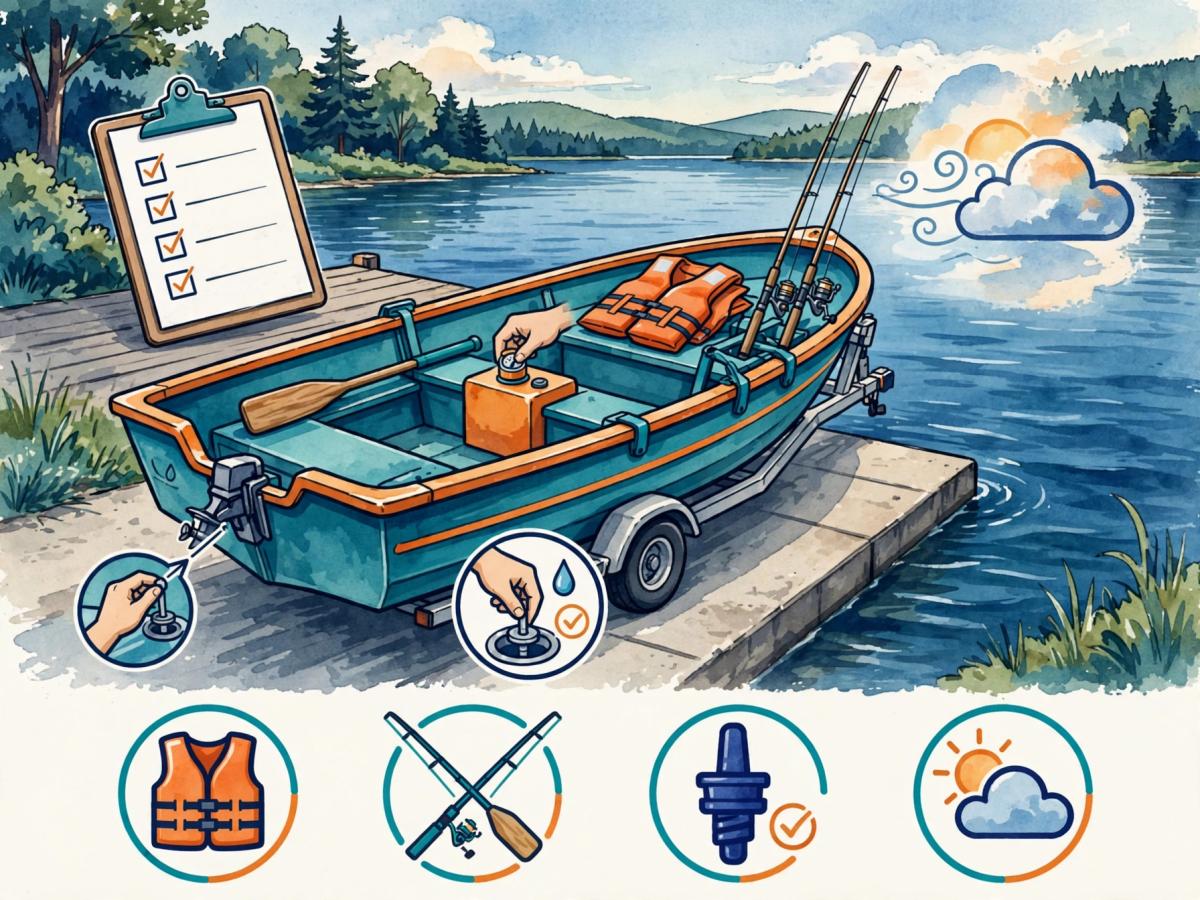
Boats and Watercraft: Make a Calm Pre-Launch Check
Use a repeatable pre-launch walk-around for life jackets, plugs, fuel or batteries, backup propulsion, communication, weather, rods, and local requirements.
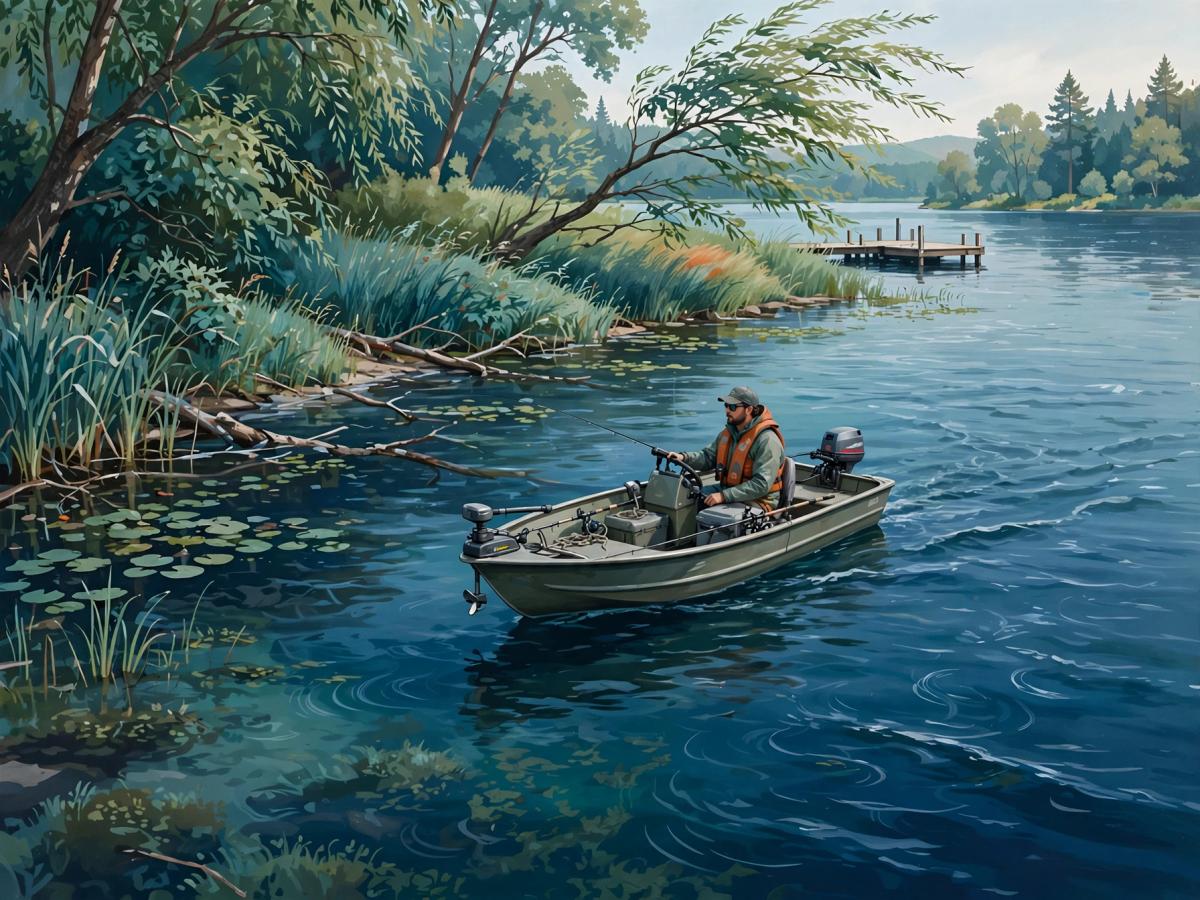
Boats and Watercraft: Position With Wind and Current
Learn to observe wind, current, depth, cover, docks, and nearby boat traffic before choosing a safe position and casting angle.
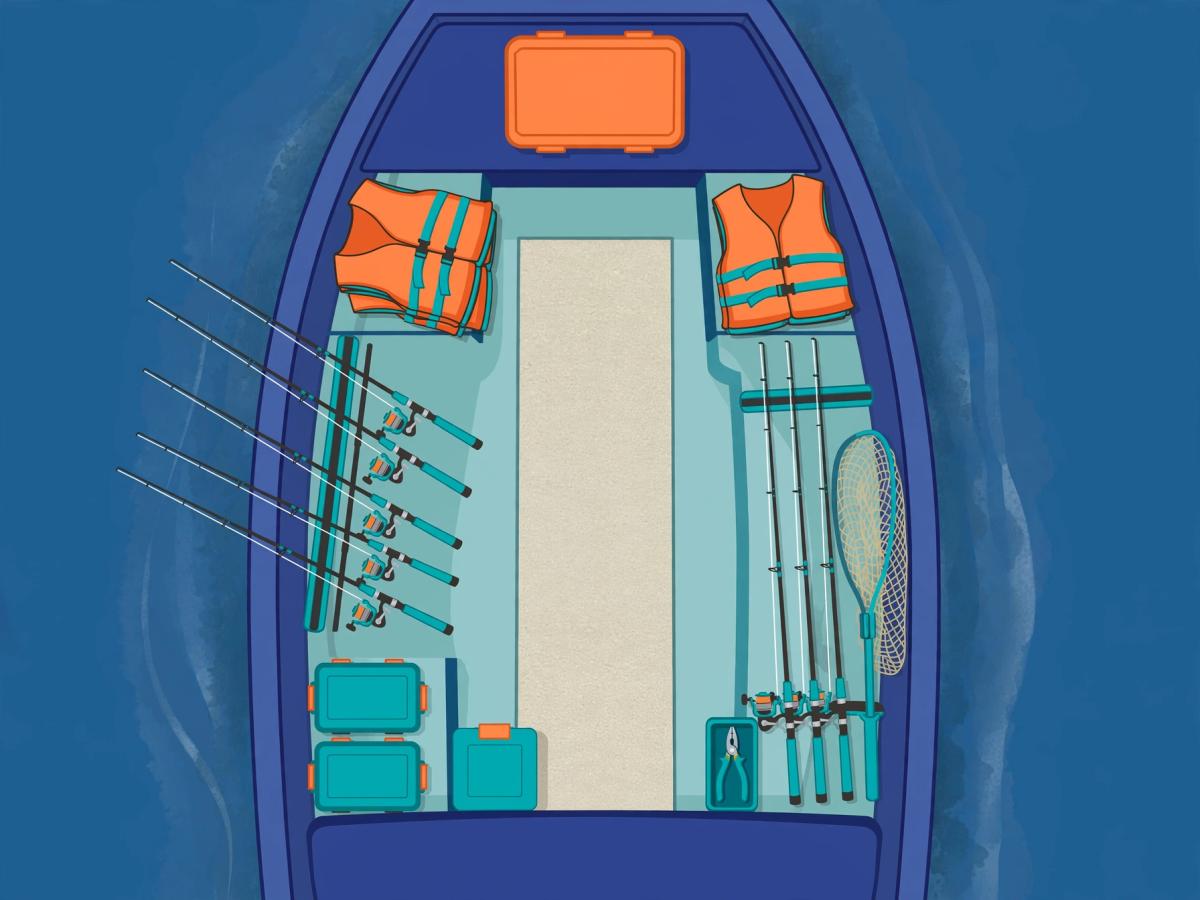
Boats and Watercraft: Keep a Small Boat Organized
Create clear walking or seated space by securing rods, covering hooks, closing tackle, keeping tools reachable, and protecting life jackets and dry storage.
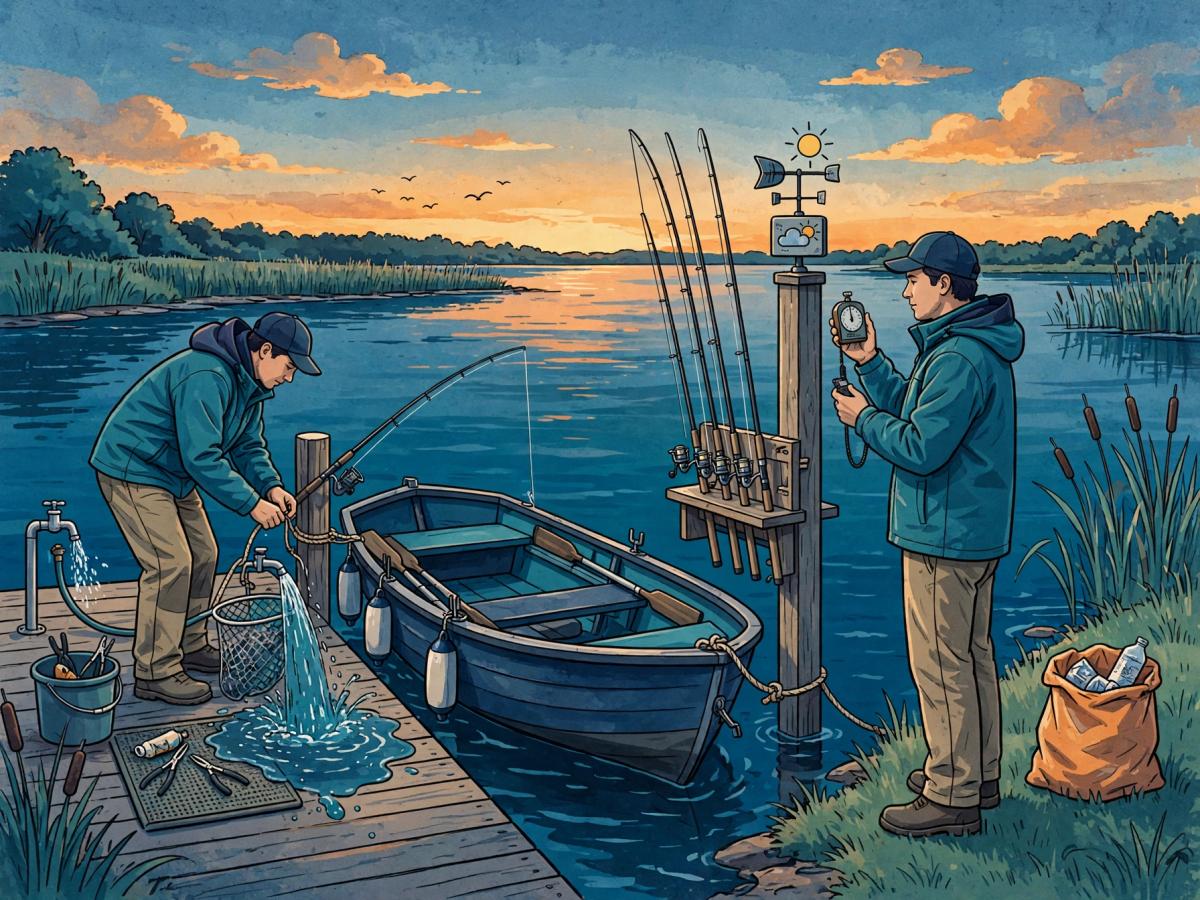
Boats and Watercraft: End the Day Safely
Build a calm return and care routine with daylight and weather awareness, secure storage, rinsing, line and trash checks, and a clean launch area.
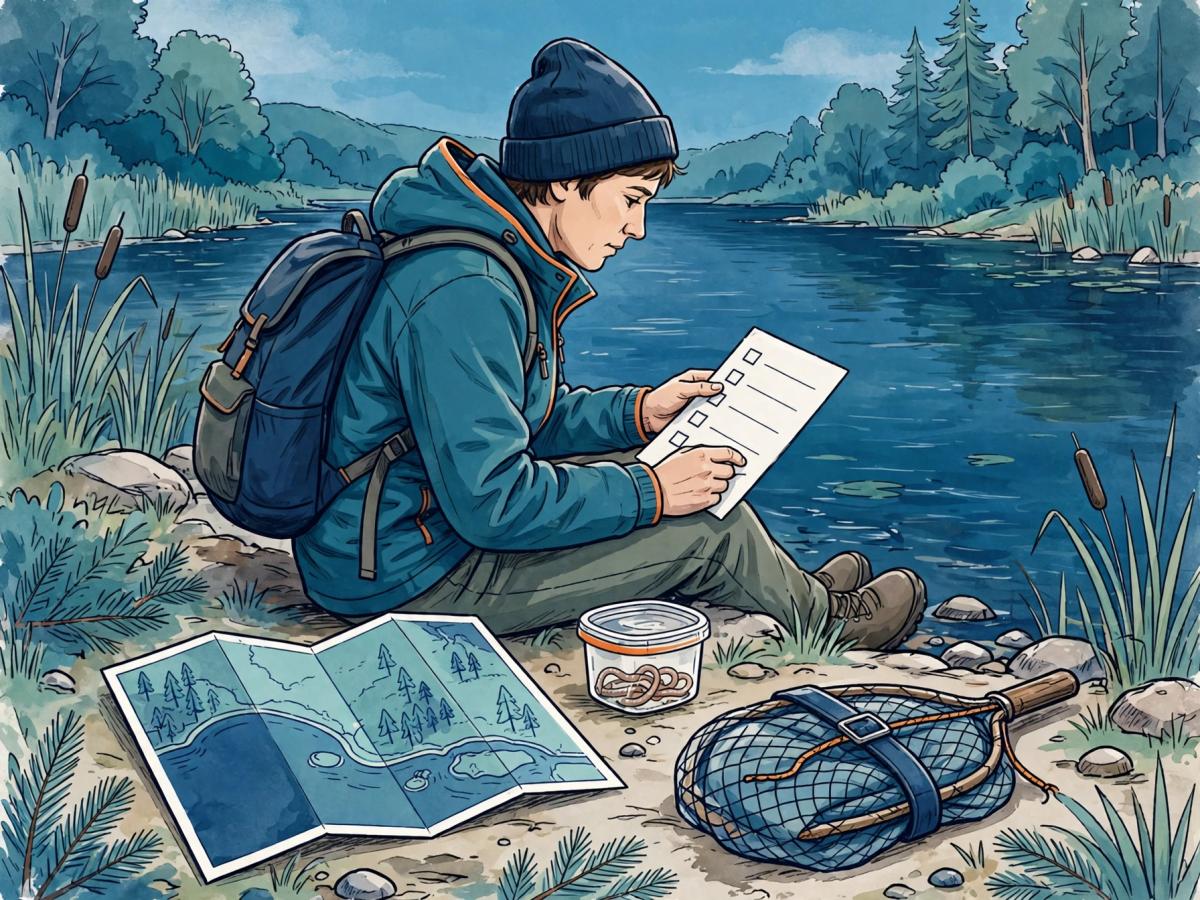
Live Bait and Foraging: Know the Rules Before You Collect
Before collecting bait, learn how local rules can govern species, methods, access, transport, possession, release, and invasive-species prevention.
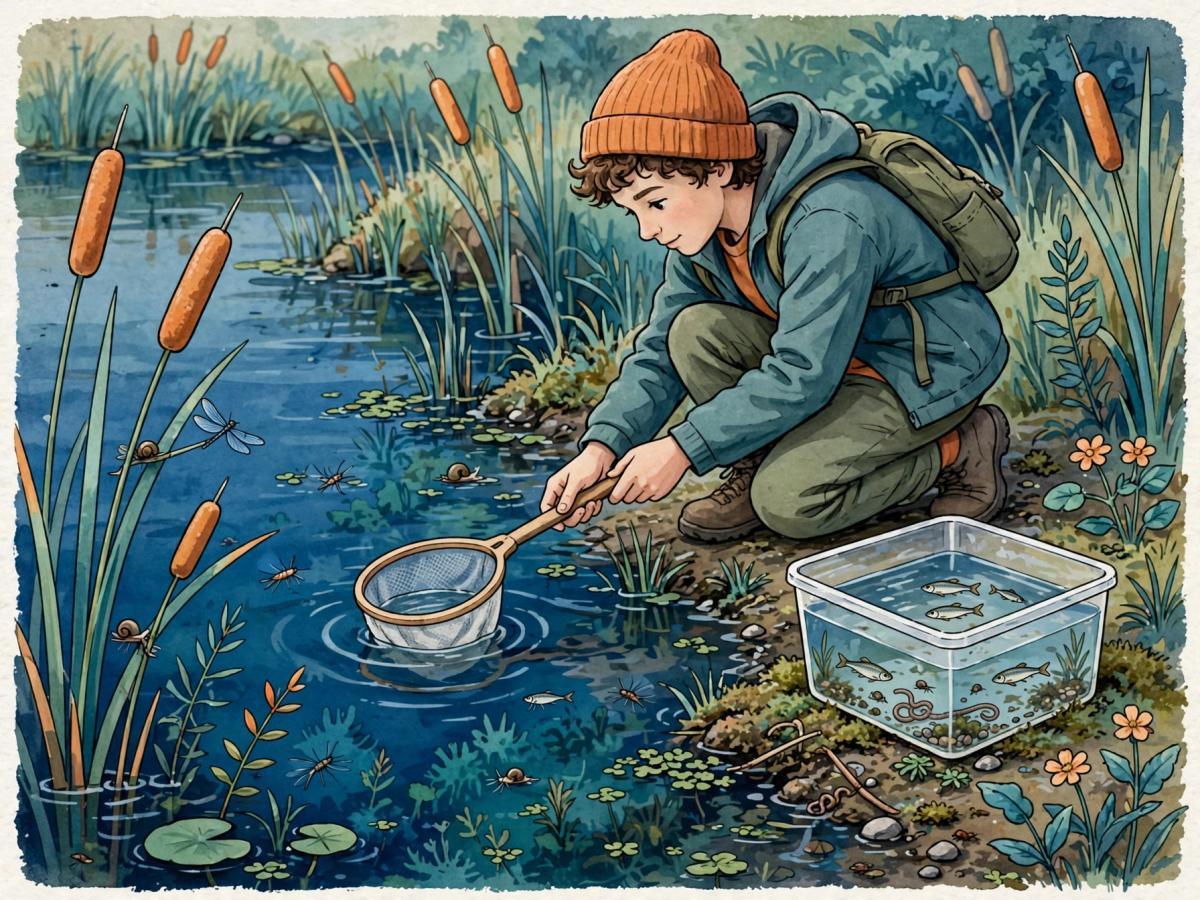
Live Bait and Foraging: Find Bait Without Damaging the Place
Learn to observe shorelines and aquatic edges carefully, collect only what is legal and needed, and leave private, protected, and public places undisturbed.
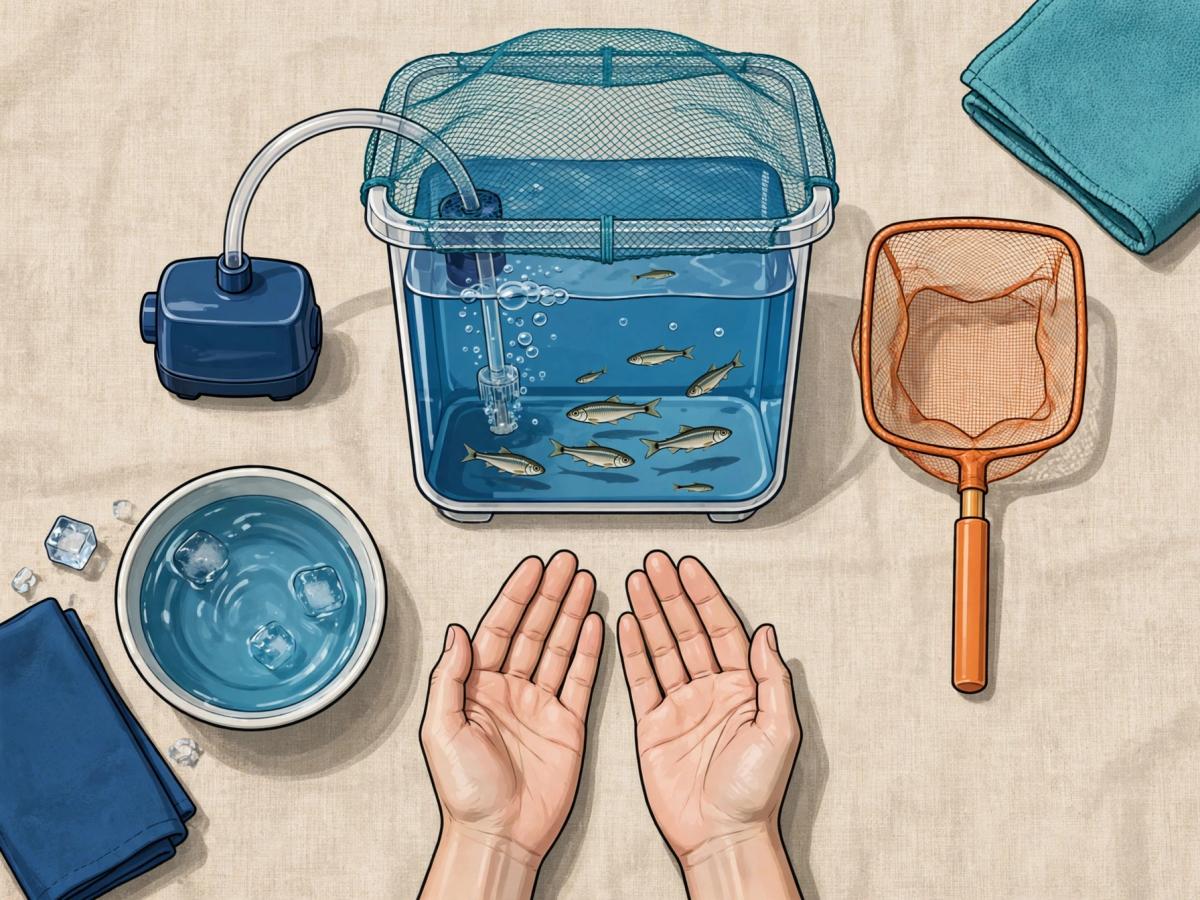
Live Bait and Foraging: Handle and Store Bait Well
Prepare clean, shaded, appropriately ventilated bait care while watching temperature, crowding, handling, and rules about water and transport.
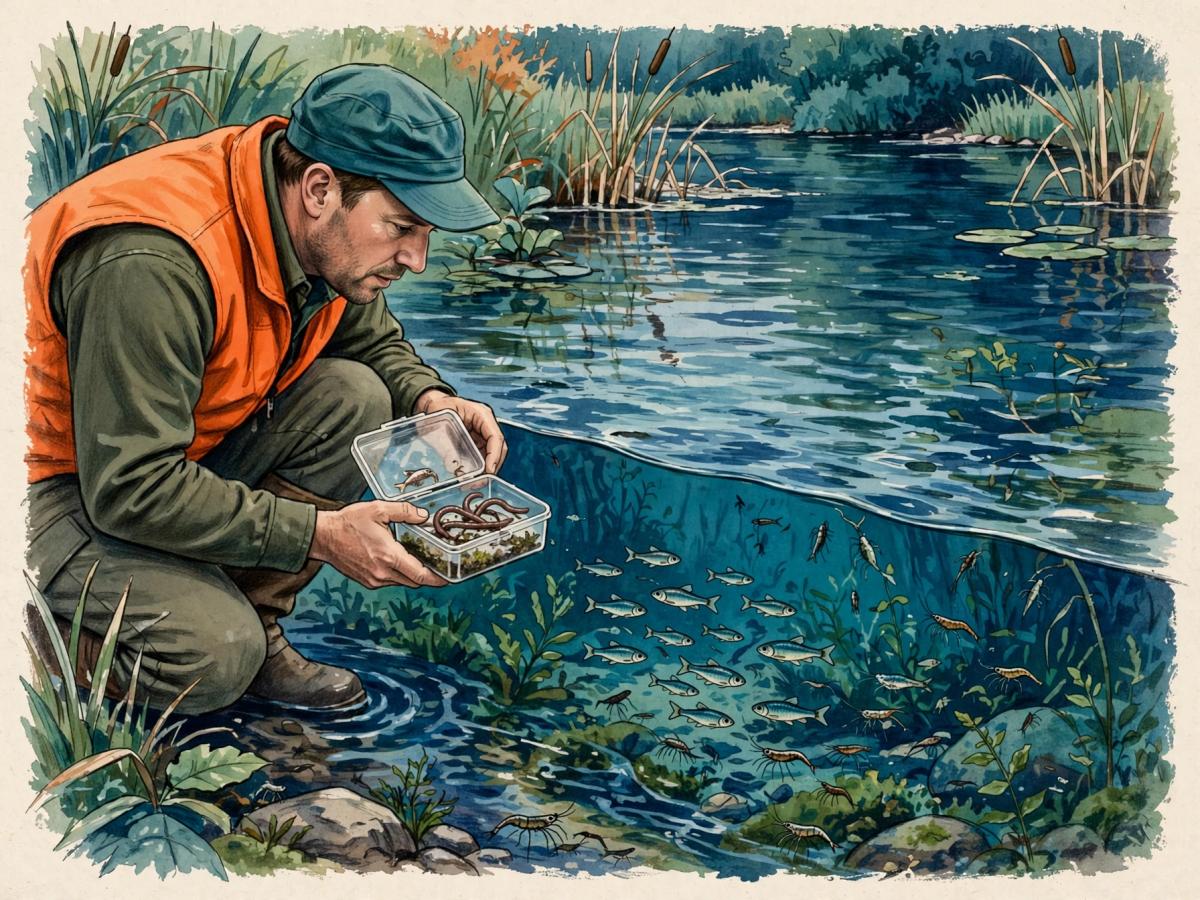
Live Bait and Foraging: Match Bait to the Water
Use observations of the water and available forage to choose a legal bait and simple presentation, changing one decision at a time instead of chasing guarantees.
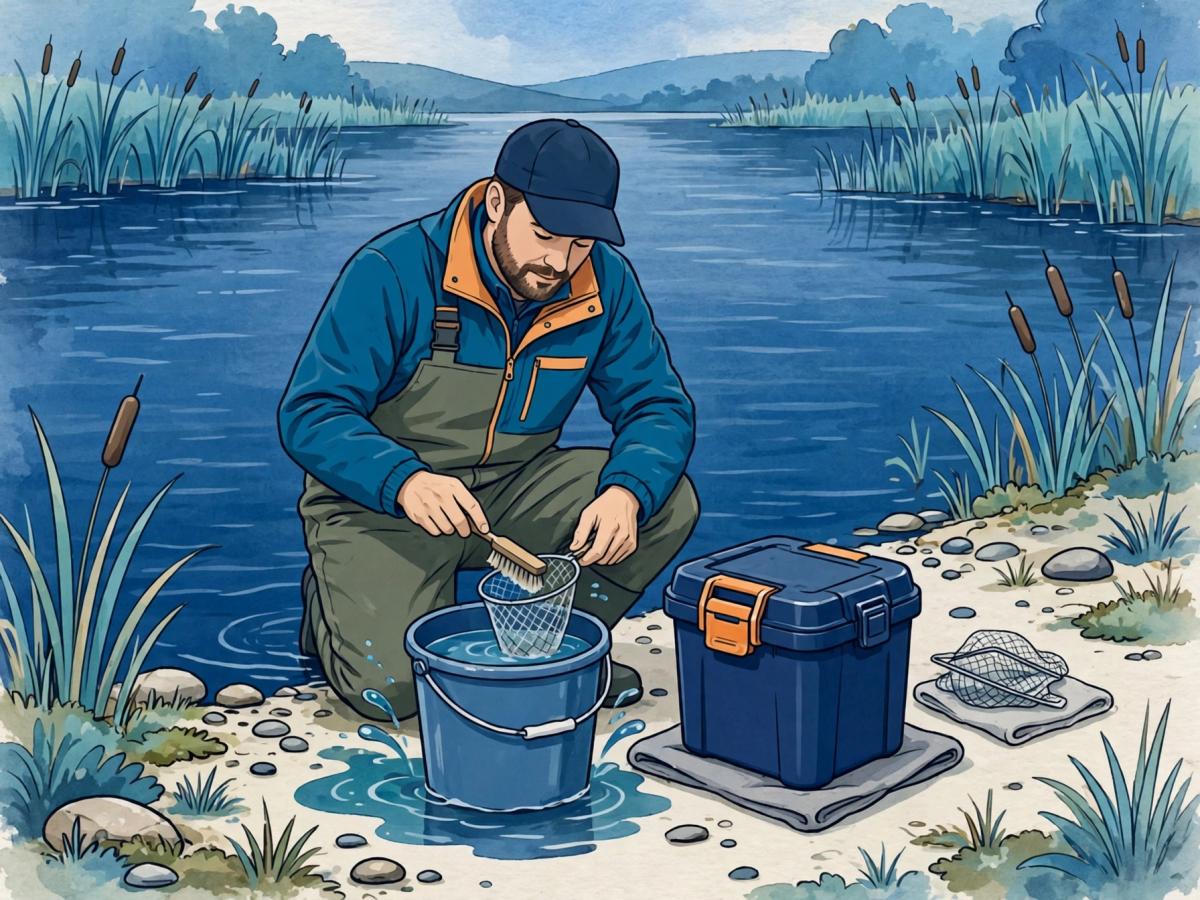
Live Bait and Foraging: Finish Responsibly
End every bait trip with a careful plan for unused organisms, clean equipment, removed line and litter, and a shoreline left in better condition.
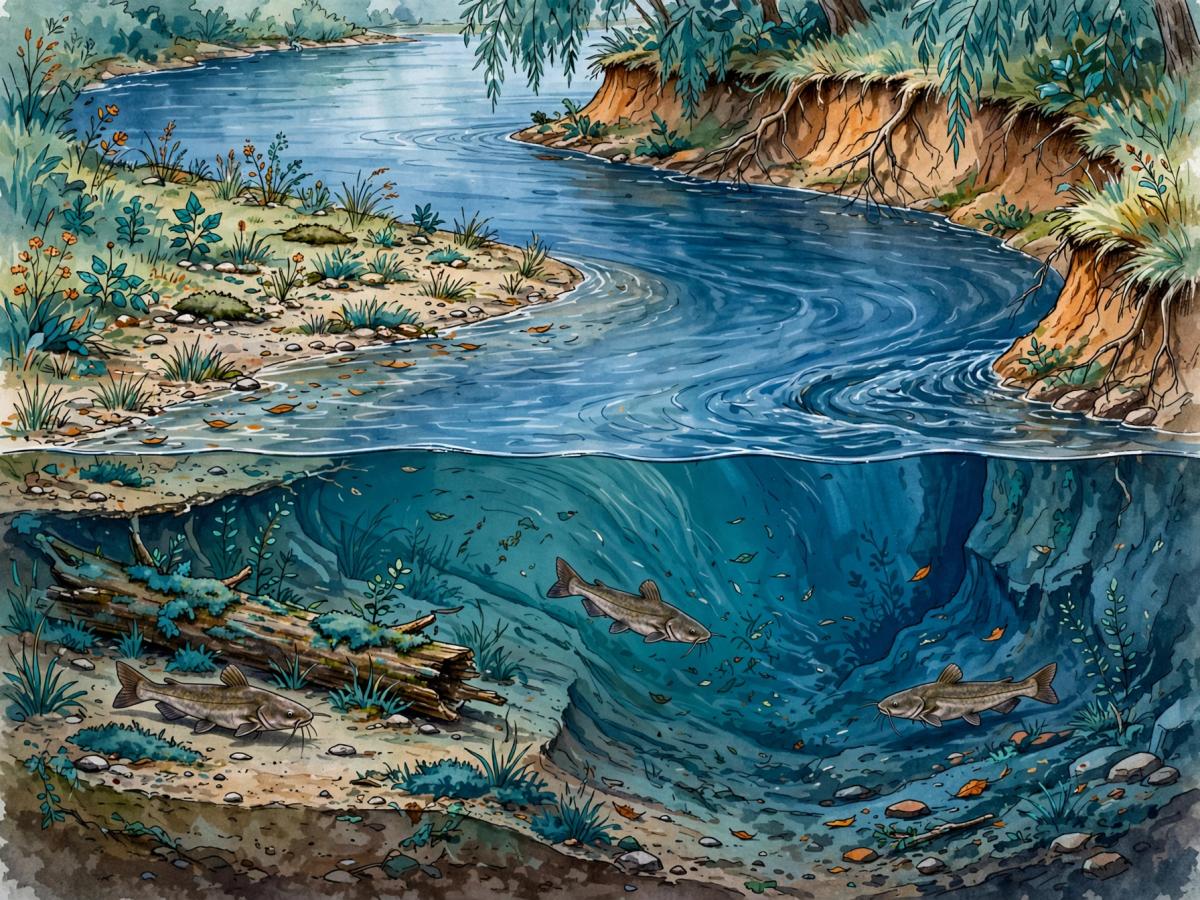
Catfish Fishing: Read the Water and Habitat
Read channels, bends, current seams, flats, wood, shade, and access as changing habitat clues while keeping catfish locations uncertain and safety first.
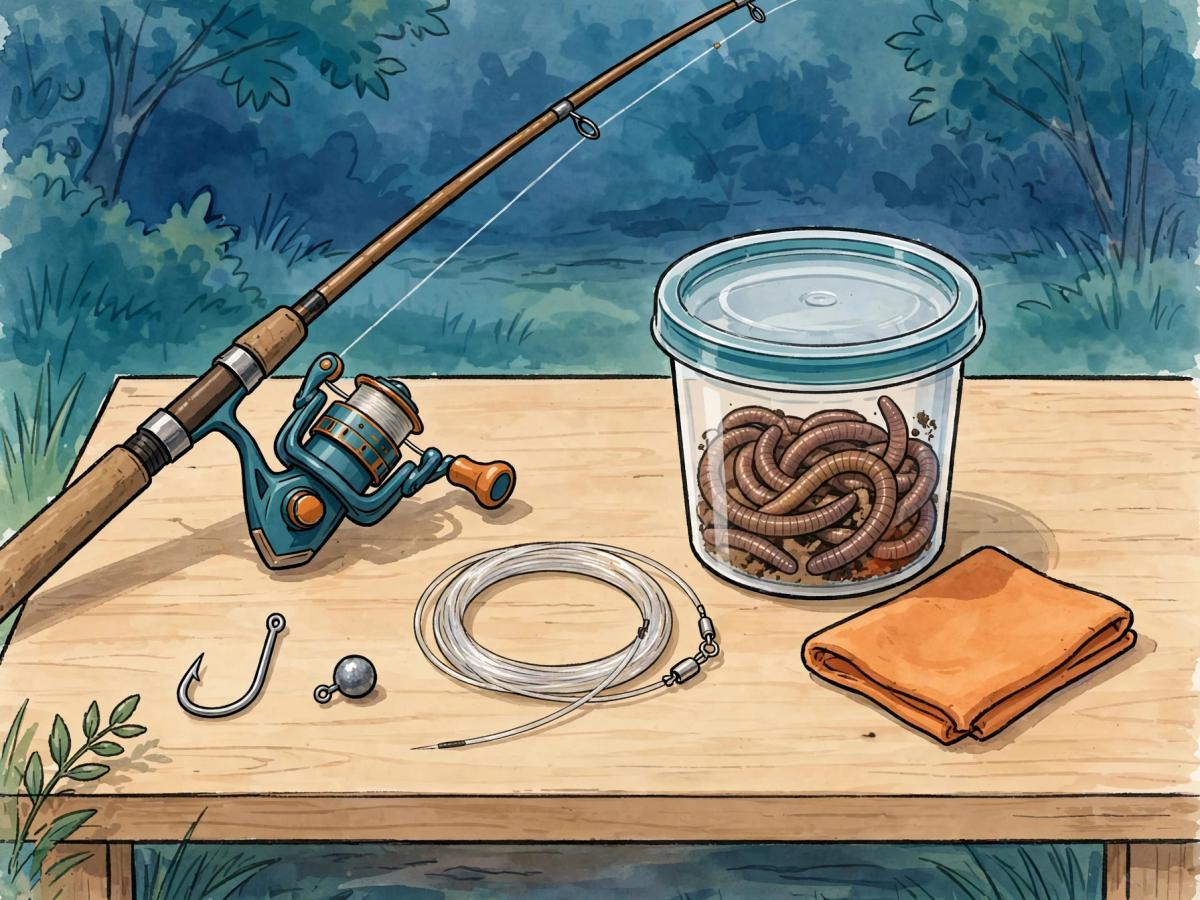
Catfish Fishing: Choose and Care for Bait
Compare broad legal catfish bait choices with the care, presentation, transport, and end-of-day decisions that keep a trip safe and responsible.
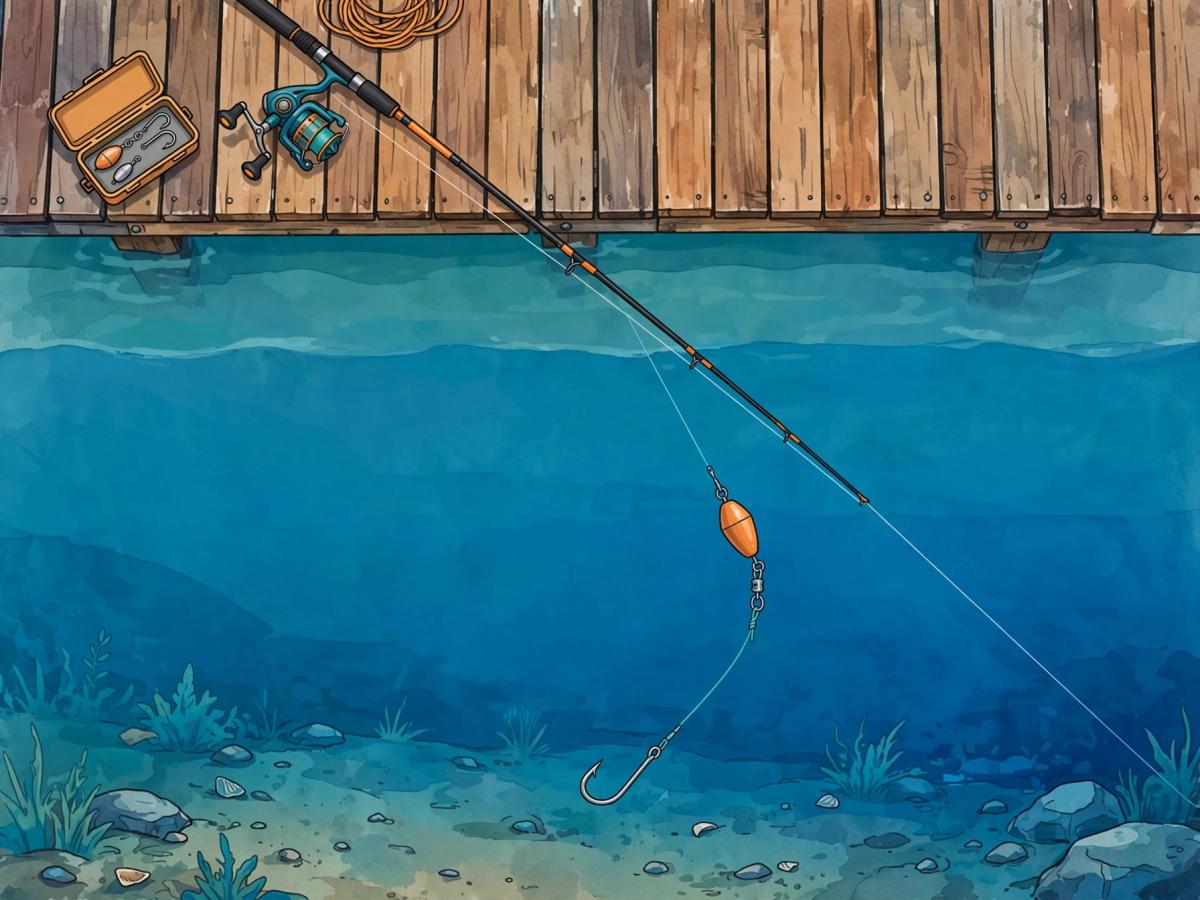
Catfish Fishing: Build a Simple Bottom Rig
Learn the jobs of a rod, reel, line, sinker, leader, and hook, then assemble a simple bottom rig you can inspect and manage safely.
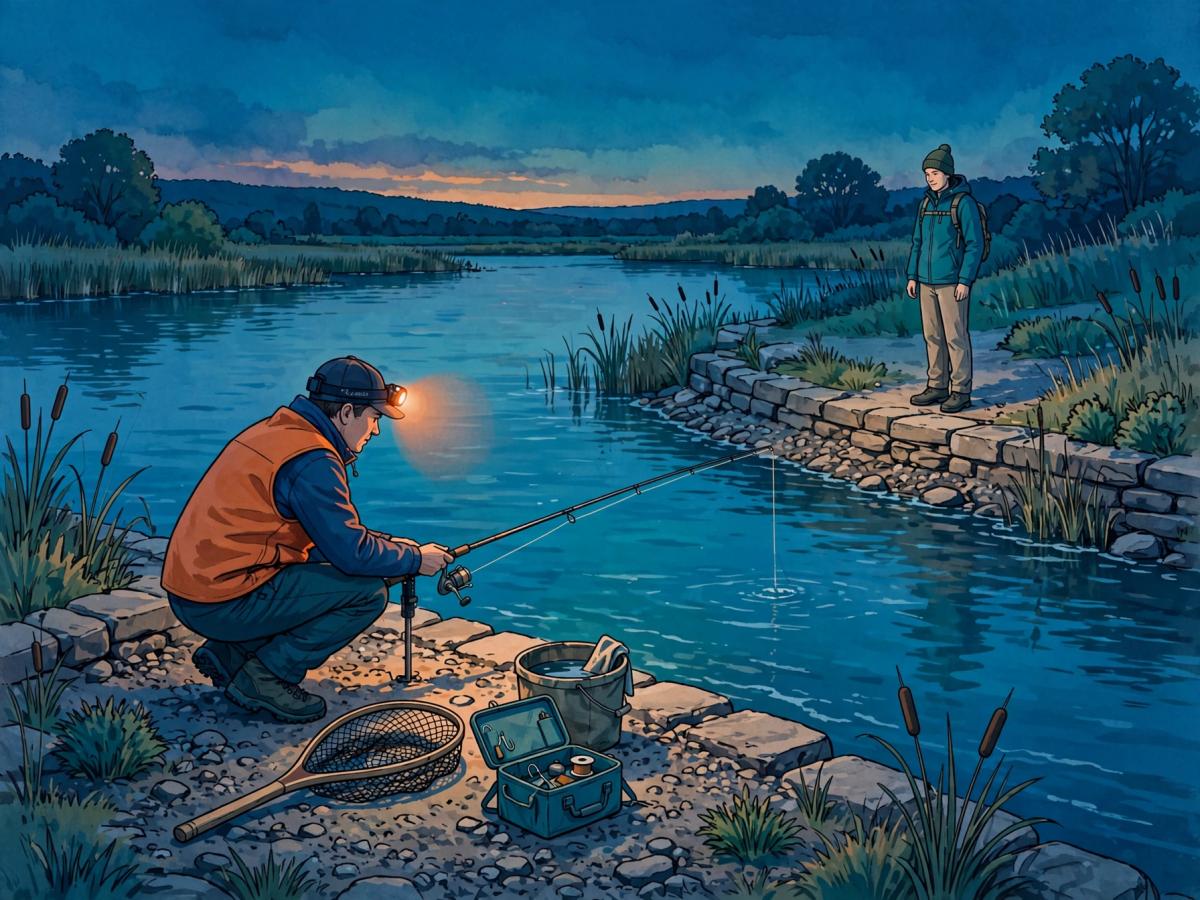
Catfish Fishing: Fish the Bank With a Plan
Plan a catfish bank session around stable access, daylight or good lighting, buddy communication, weather awareness, bite observation, and a clear exit.
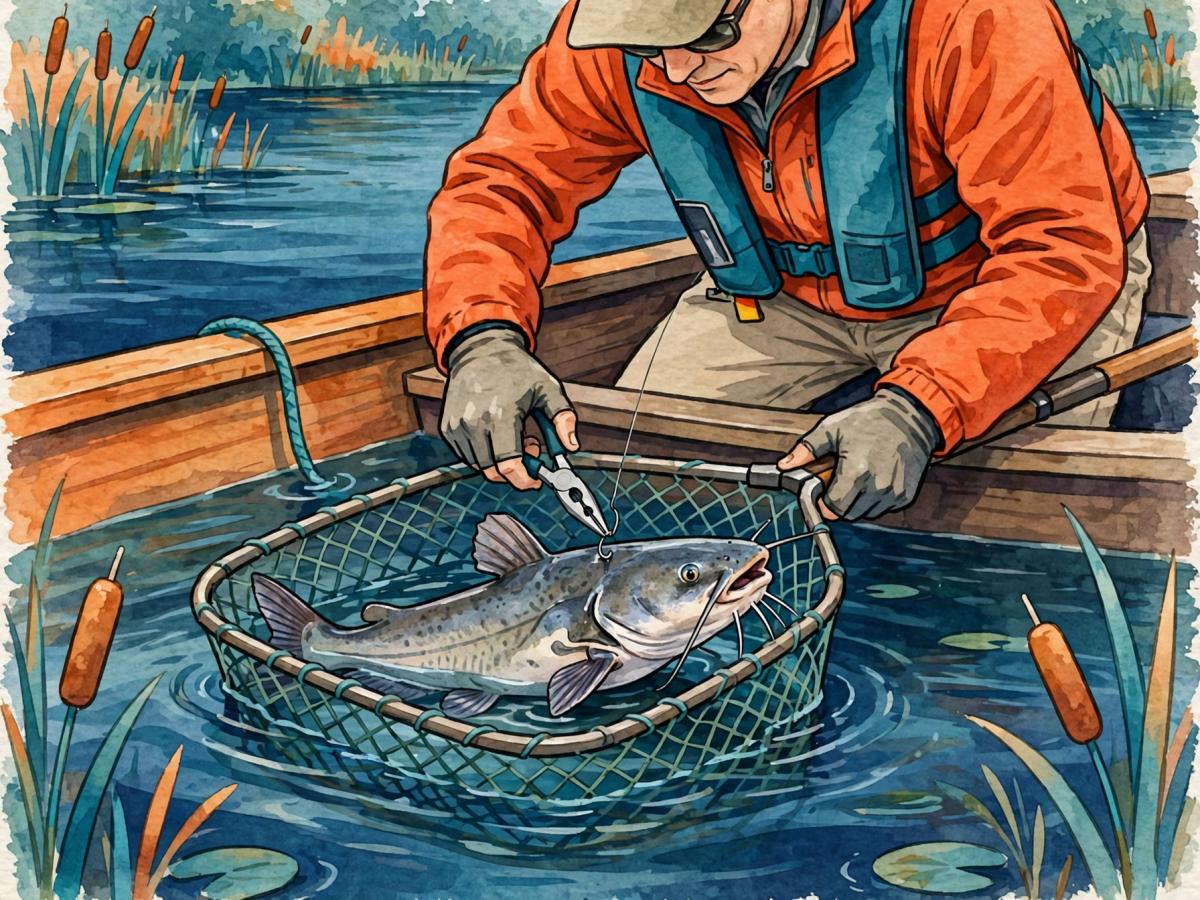
Catfish Fishing: Handle the Fish and End Well
Prepare a calm landing with pliers and a suitable net, protect hands from catfish spines, handle close to the water, and follow current release or harvest rules.
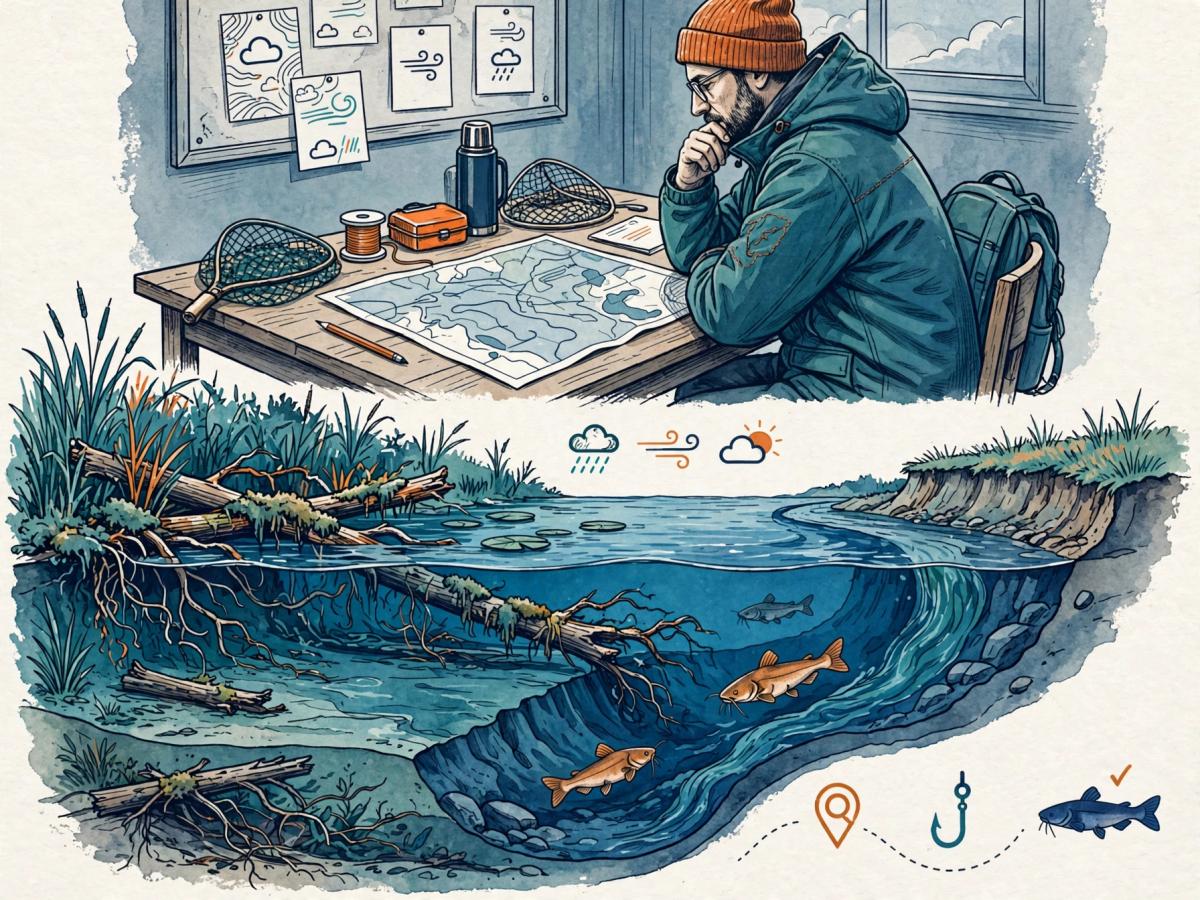
Catfish Beyond the Basics: Build a Water Pattern
Turn depth, current, cover, forage, weather, and time into a testable catfish pattern without treating any single feature as a guarantee.
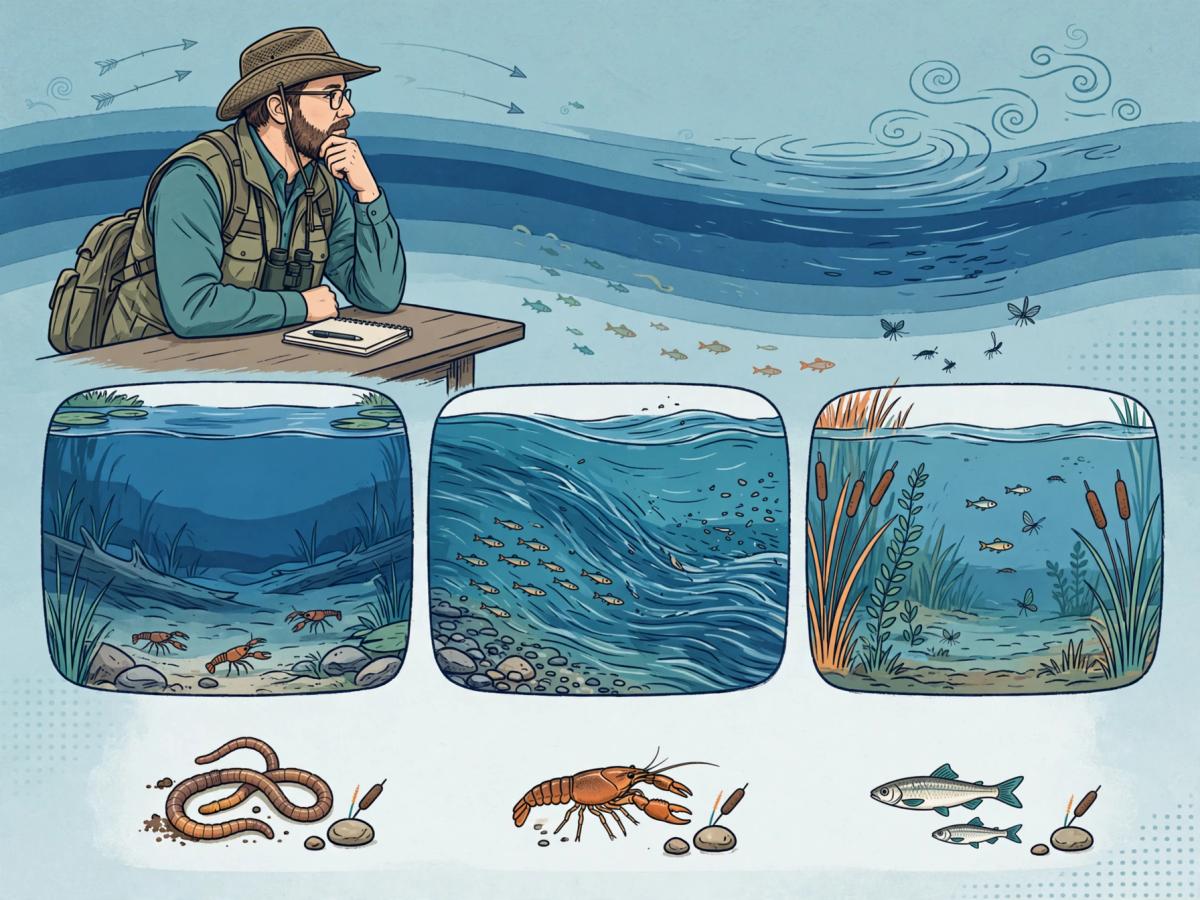
Catfish Beyond the Basics: Match Bait to Conditions
Compare legal natural-bait choices and presentation decisions using the water's available forage, while planning care, transport, and cleanup around local rules.
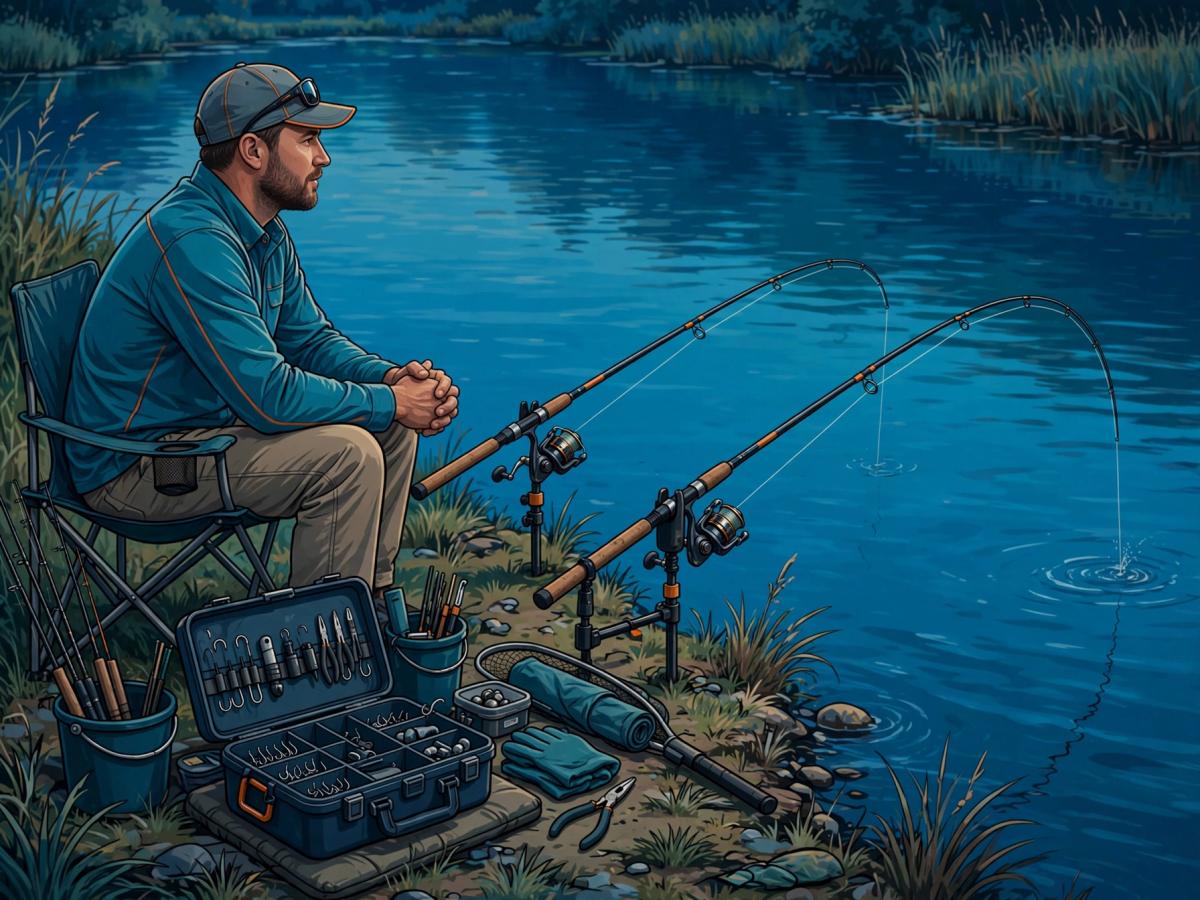
Catfish Beyond the Basics: Read the Bite Without Rushing
Use rod-tip and line movement as evidence, distinguish current or small disturbances from a steadier take, and respond calmly with secure hooks and local rules in mind.
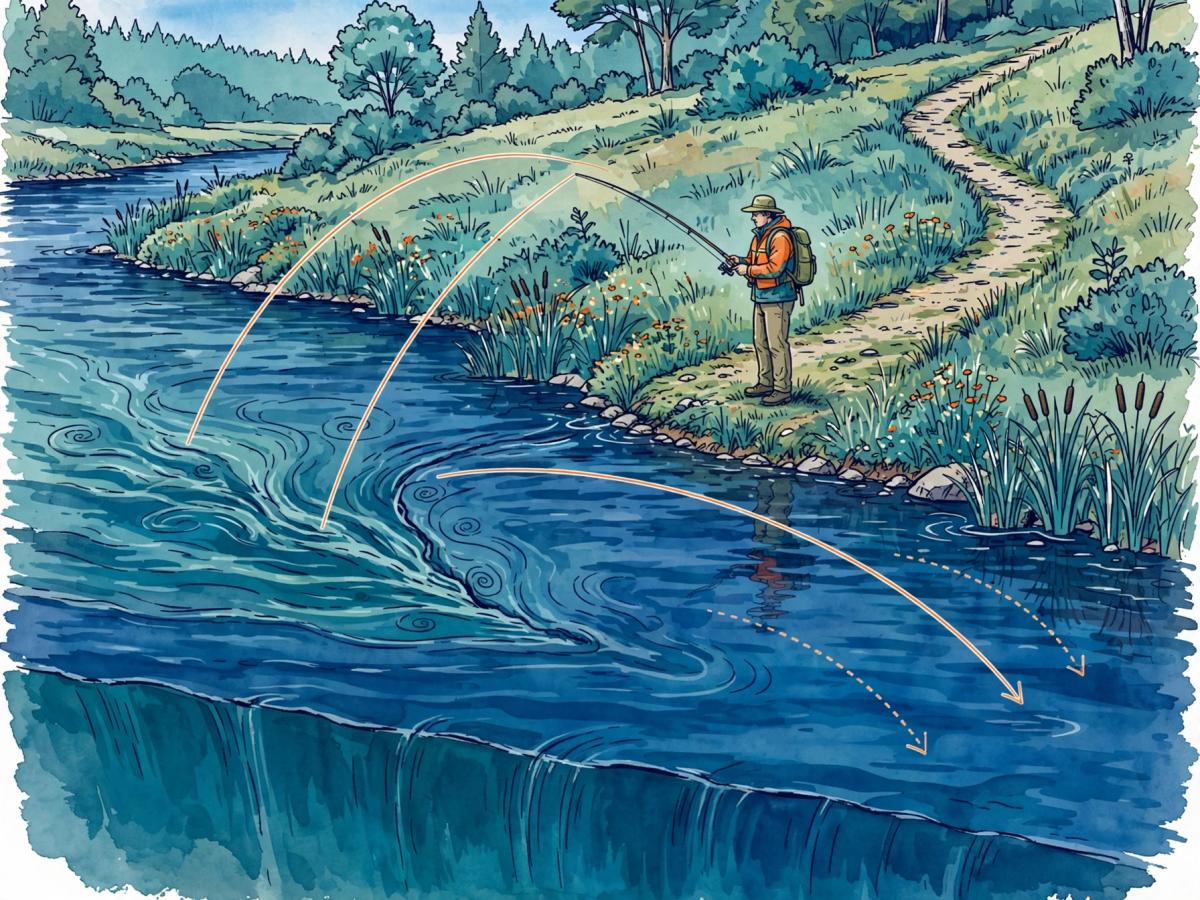
Catfish Beyond the Basics: Position the Bank Session
Choose stable footing, useful casting angles, a clear access route, and a conservative daylight or well-lit session plan before you set a catfish rod.
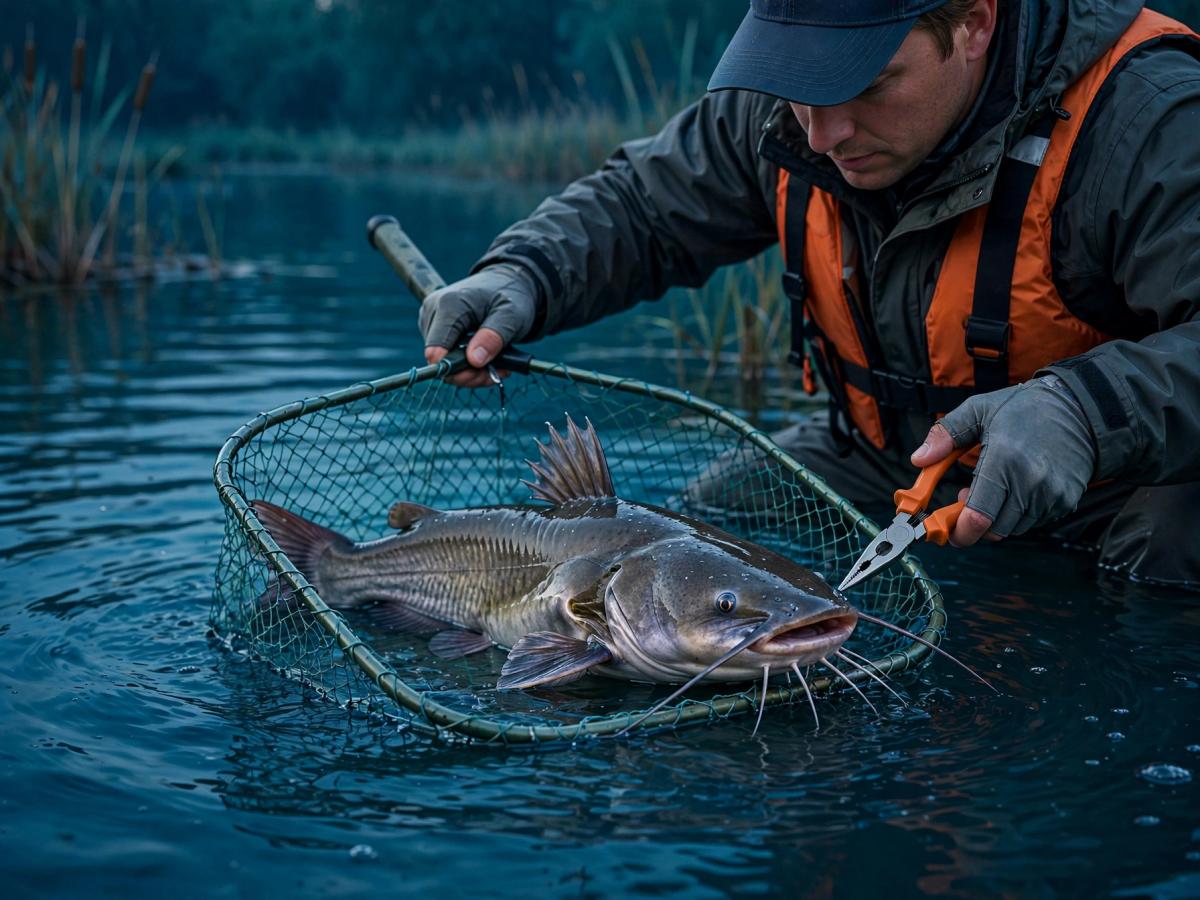
Catfish Beyond the Basics: Handle Bigger Fish Responsibly
Use a landing net and tools, protect hands from catfish spines, support larger fish over the water, limit air exposure, and follow local release or harvest rules.